

Ford E-150 Econoline Starter Replacement Guide (1983-1990)
Is your 1983-1990 Ford E-150 Econoline clicking but not starting? Here’s what you need to know before you replace the starter.
- Many starting issues on these vans are caused by the inexpensive fender-mounted solenoid, not the starter itself. Check this part first.
- Symptoms of a bad starter include a single loud click, slow cranking with a good battery, or grinding noises.
- Replacement is a feasible DIY job for those with proper tools, but the top bolt can be difficult to access.
- Always disconnect the negative battery terminal before beginning work to prevent dangerous electrical shorts.
Is Your E-150 Starter Failing?
A starter motor on these classic Ford vans rarely fails without giving some warning signs. Before you assume the starter is bad, always make sure your battery is fully charged and the battery terminals are clean and tight. A weak battery or corroded cables can cause similar symptoms.
Common Symptoms of a Bad Starter:
- Single Loud 'Click', No Crank: This is the most common symptom. You turn the key and hear one loud click from under the van, but the engine doesn't turn over. This usually means the starter's solenoid is engaging, but the motor itself is dead.
- Slow, Labored Cranking: The engine tries to turn over but sounds sluggish and weak, even with a good battery. This suggests the starter is worn out and drawing too much electricity.
- Grinding or Whirring Noise: You might hear a grinding sound during or after cranking. This means the starter gear is not meshing correctly with the engine's flywheel or is failing to retract.
- No Sound at All: If you turn the key and hear nothing, but your lights and radio work, the problem could be the starter, the fender-mounted solenoid, or the ignition switch.
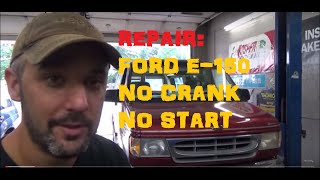
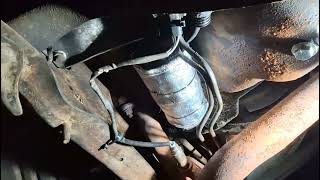
- Intermittent Starting: The van starts fine one day but refuses to crank the next. This often points to a developing problem inside the starter motor or a loose connection. 🎬 Watch: Troubleshooting a Ford E-150 that won't start or crank.
Check the Fender Solenoid First!
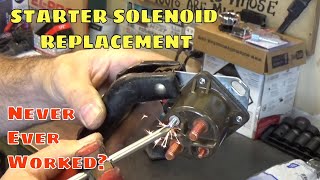
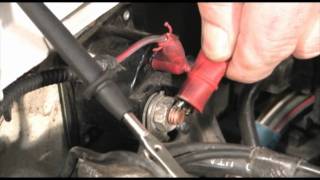
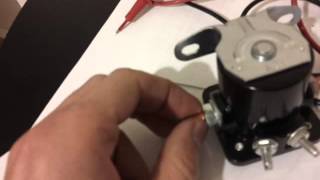
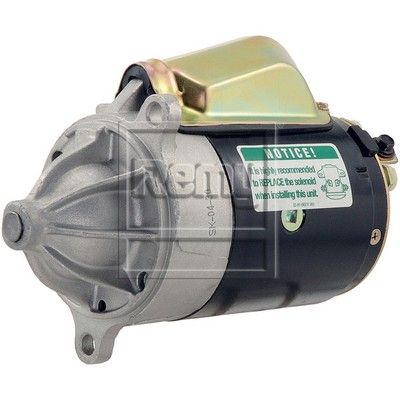
Many starting problems on 1983-1990 Ford vans are not caused by the starter motor itself, but by the separate starter solenoid (also called a relay) mounted on the fender in the engine bay. This part is a known weak point that can fail, causing a 'click-no-crank' symptom. It is an inexpensive part, and it is highly recommended to test or replace it before condemning the starter.
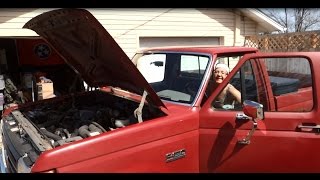
🎬 See how to replace the fender-mounted starter solenoid.Choosing the Right Aftermarket Starter
For a vehicle from this era, a new aftermarket starter is the most common and practical choice. The quality of original Motorcraft parts was high, but today's aftermarket offers a range of options from premium to standard replacement grades.
Aftermarket Brand Tiers
- Premium Brands (Bosch): Bosch has a strong reputation for quality and reliability in automotive electronics. A new or professionally remanufactured Bosch starter is often considered a top-tier choice that meets or exceeds original specifications.
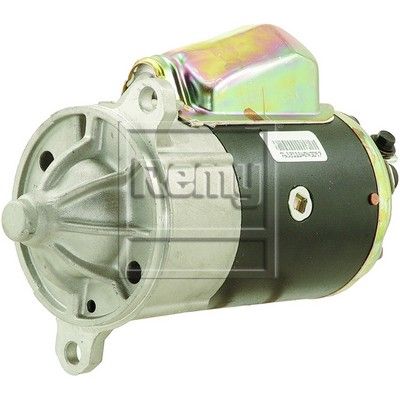
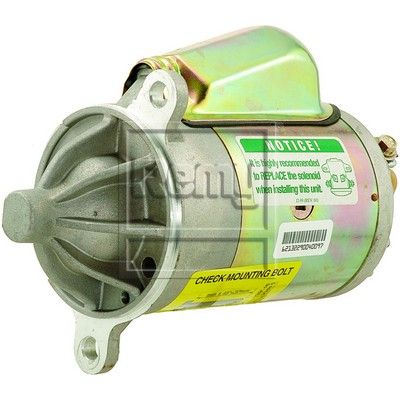
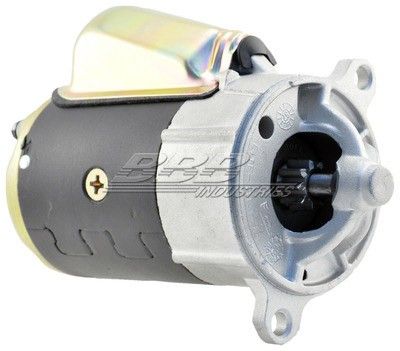
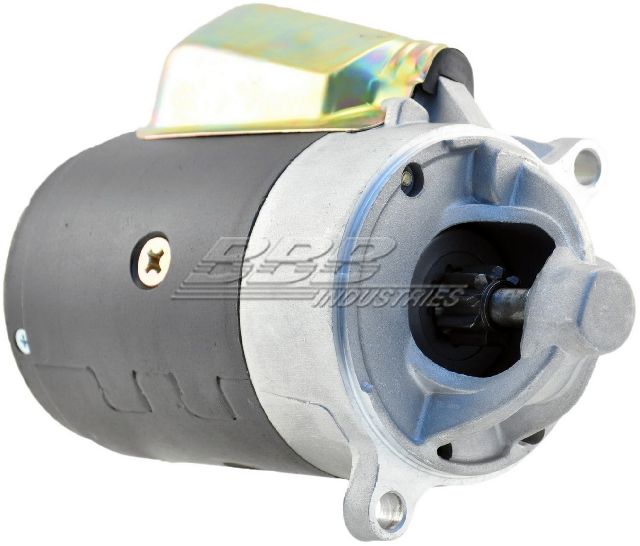
- Standard Replacement Brands (Remy, BBB Industries): Remy, once part of GM's Delco-Remy, is a long-standing brand in the aftermarket. It's generally considered a reliable standard replacement. BBB Industries is another established aftermarket supplier. While less discussed in forums for this specific van, they are a major player in the starter and alternator market.
- Value Brands (WAI Global): Brands like WAI Global often offer the most budget-friendly prices. However, forum discussions show mixed reviews, with some users reporting fitment or premature failure issues, while others have had no problems. This can indicate potential inconsistencies in quality control. For a critical part like a starter, consider the risk versus the savings.
Pro Tip: If your van has a V8 engine and experiences starting issues only when hot, consider a gear-reduction or "high-torque" starter. These starters are more efficient and less prone to failure from heat soak coming off the exhaust manifolds.
New Aftermarket Starter Cost for 1983-1990 Ford E-150
The cost for a new aftermarket starter can vary based on the brand and warranty. Below is a general price breakdown.
| Part Type | Estimated Cost |
|---|---|
| New Aftermarket Starter | $111 - $190 |
| Fender-Mounted Solenoid | $15 - $30 |
| Shop Labor for Starter Replacement | $150 - $350 |
Frequently Asked Questions (FAQ)
How difficult is it to replace the starter on my E-150?
The job is considered intermediate in difficulty. You will need to safely lift the front of the van and work from underneath. The starter is usually held on by two or three bolts. Access to the top bolt can be tight and may require a long socket extension and a universal joint (swivel). The starter itself is also quite heavy.
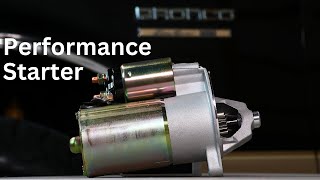
🎬 Watch this walkthrough of a starter replacement on a Ford V8.How long does it take to replace the starter?
For a DIY mechanic with the right tools, expect the job to take between 1.5 and 2.5 hours. A professional shop can typically complete it faster.
Do I have to disconnect the battery to change the starter?
Yes, absolutely. This is the most critical safety step. The starter has a large cable connected directly to the positive battery terminal. Failing to disconnect the negative battery cable before you start can cause dangerous electrical shorts, sparks, and severe injury.
My van just clicks once. Is it the starter or the battery?
A single, loud click usually points to the starter system (either the starter motor or the fender solenoid). A rapid series of clicks, like a machine gun, almost always means the battery is too weak to turn the engine over. Always test the battery first.
Are there any recalls for the starter on my 1983-1990 E-150?
No, searches of the NHTSA database show no specific safety recalls for the starter motor on this generation of Ford E-150 Econoline.
Helpful Videos
Technical Specifications
Varies by engine (4.9L I6, 5.0L V8, 5.8L V8). Verify fitment using your vehicle's specific engine and transmission type before ordering. Most starters for this era are direct-drive style, but aftermarket gear-reduction units are available.
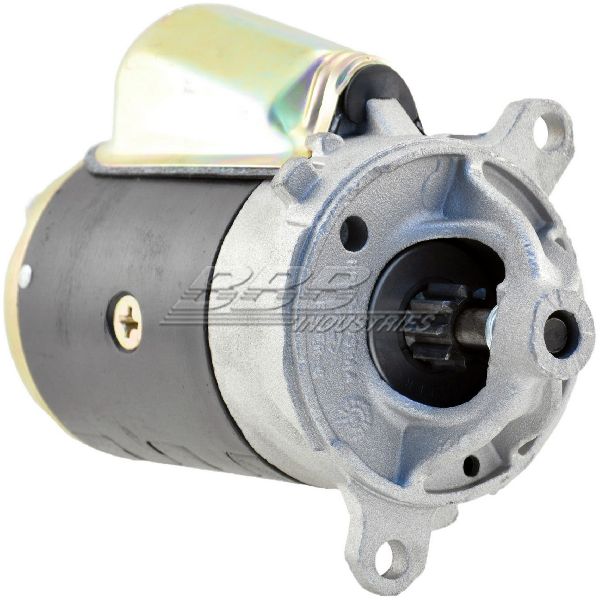
We Have This Part in Stock

The information in this article is provided for general reference and educational purposes only. Vehicle specifications, procedures, and part compatibility can vary by production date, trim level, and region. Always consult your vehicle's factory service manual and verify part numbers before purchasing or performing repairs. Safety-critical components such as airbags, seat belts, and braking systems should be installed by a qualified professional.
- Ford E-150 Econoline: