

Ford E-350 Econoline Starter Guide: 1983-1990 Models
Solve starting problems on your classic Ford van by understanding how to diagnose and choose the right new starter.
- Always test the fender-mounted starter solenoid first; it's a common, cheap, and easy fix.
- A single loud click points to the solenoid or starter; rapid clicking usually means a weak battery or bad connections.
- Ensure all battery cable connections at the battery, solenoid, and starter are clean and tight before replacing parts.
- For this vehicle, a new aftermarket starter from a reputable brand like Bosch or Remy offers a good balance of cost and reliability.
Is Your E-350 Starter Failing?
If your 1983-1990 E-350 won't start, the starter is a likely suspect, but it's not the only one. These vans have a specific starting system where problems can be easily misdiagnosed. Before you spend money on a new starter, check a few other things first.
STOP! Check This First: The Fender Solenoid
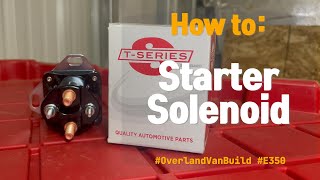
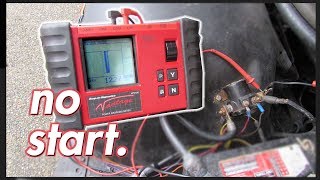
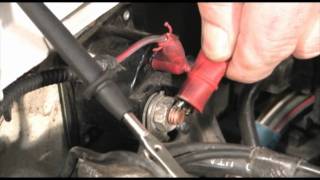
Nearly all starting issues on these older Ford vans, from a single loud 'click' to no sound at all, can be caused by a failed starter solenoid (also called a relay). This is a small, inexpensive part located on the passenger-side fender in the engine bay. It is a very common failure point and is much easier and cheaper to replace than the starter itself. Always test or replace this solenoid 🎬 Watch: How to diagnose and test your Ford starter solenoid. before condemning your starter.
Common Symptoms of a Bad Starter
Once you've ruled out the battery, cables, and the fender solenoid, you can look at the starter itself. Here are the common signs of failure:
- Single Loud Click, No Crank: If the fender solenoid is good, a single click when you turn the key often means the starter motor itself has an internal electrical problem.
- Slow, Labored Cranking: If the engine turns over very slowly, like the battery is weak (but you know it's fully charged), the starter motor may be worn out and drawing too much power.
- Grinding or Whirring Noise: A harsh grinding sound when you try to start the engine means the starter gear is not meshing correctly with the engine's flywheel, or the gear is damaged. A high-pitched whirring or spinning sound without the engine turning over means the starter motor is spinning, but its gear is not engaging the flywheel at all.
- Intermittent Starting: The van starts fine one day but refuses the next. This can be caused by worn brushes or dead spots inside the starter motor.
- Smoke or Burning Smell: If you see smoke or smell burning plastic coming from the starter area, it's a sign of a severe electrical short inside the motor. Stop trying to start it immediately.
Choosing the Right Aftermarket Starter
For a vehicle of this age, finding a brand-new OEM Motorcraft starter is nearly impossible. Aftermarket starters are the most practical and cost-effective solution. They are widely available and, when you choose a good brand, can be very reliable. Here’s a breakdown of quality tiers based on general reputation.
Tier 1: Premium Aftermarket
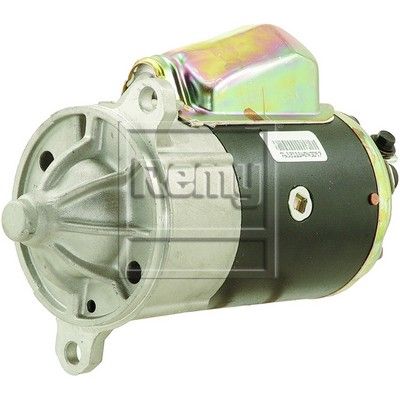
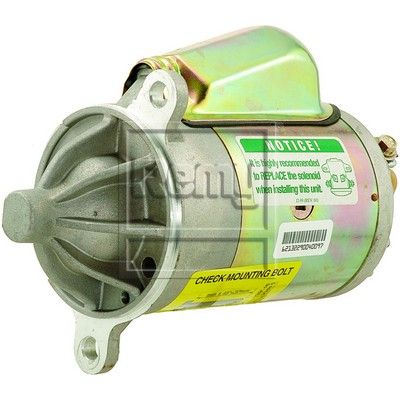
Bosch & Remy (Delco Remy): These brands have a long-standing reputation for quality, often meeting or exceeding original specifications. Bosch is a well-respected name in automotive electronics, and their remanufactured units are often built to a high standard. Remy has been a trusted name in heavy-duty applications for decades. Choosing a new or remanufactured starter from these brands is a solid investment in reliability.
Tier 2: Standard Aftermarket
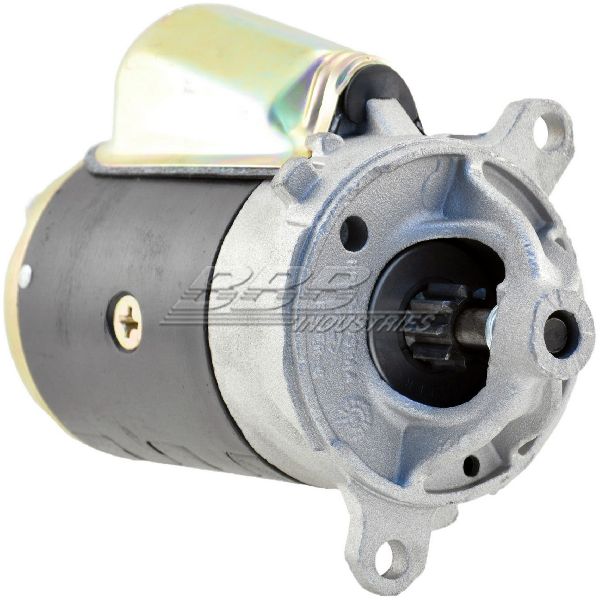
WAI Global & BBB Industries: These brands represent the standard, budget-friendly aftermarket option. They produce a huge number of starters and are a common choice for general repairs. While some mechanics are wary of the hit-or-miss quality of any value-oriented electrical part, many owners use them without problems. For a van that isn't a daily workhorse, a new unit from these brands can be a perfectly acceptable choice.
Pro Tip for V8 Owners: Heat Soak
If you have a V8 engine, your starter is located close to the hot exhaust manifold. This can lead to a condition called "heat soak," where the starter gets too hot and struggles to crank the engine after it's been running for a while. If you experience this, consider a high-torque or gear-reduction starter, which can overcome this issue.
Estimated Replacement Costs
The cost of replacing your E-350's starter depends on the part you choose and whether you do the work yourself.
| Item | Estimated Cost |
|---|---|
| New Aftermarket Starter | $111 - $268 |
| Shop Labor | $120 - $250 |
| Total Professional Replacement | $231 - $518 |
Frequently Asked Questions (FAQ)
Is it hard to replace the starter on a 1983-1990 E-350?
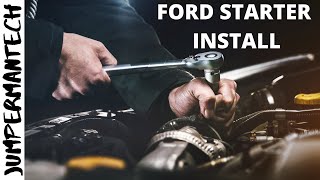
No, it's a feasible DIY job for someone with basic mechanical skills and tools. The starter is on the passenger side of the engine, bolted to the transmission. The main steps are to disconnect the battery, safely raise the front of the van, remove two or three bolts holding the starter, and disconnect the wires. Access can be a little tight, but it's a straightforward process.
🎬 See this step-by-step walkthrough for replacing your Econoline starter.What's the difference between the starter and the solenoid?
On these Ford vans, they are two separate parts. The starter is the motor that cranks the engine. The solenoid (or relay) is an electrical switch on the fender that sends power to the starter when you turn the key. A single 'click' can be caused by either part failing, which is why it's important to test the cheap and easy-to-access solenoid first.
How do I test my starter?
First, confirm the battery has over 12.4 volts. Then, have a helper turn the key to 'start' while you listen. A loud single click suggests the solenoid is working but the starter isn't. Rapid clicking means a low battery or bad connection. A more advanced test involves using a multimeter to check for 12V at the starter's main terminal and at the small signal wire when the key is turned. If both have power but the starter doesn't spin, the starter is bad.
Why does my van just click once?
A single, loud click is the classic symptom of a starting system problem on these Fords. It most often points to a bad fender-mounted solenoid, but can also mean a bad starter motor or a very poor electrical connection on a main battery cable. Check the battery terminals and cable ends for corrosion before replacing any parts.
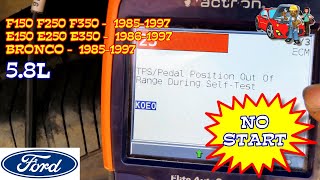
🎬 Watch: Troubleshooting a Ford van that cranks but won't start.Helpful Videos
Technical Specifications
OEM Part Numbers: D7OZ-11002-A F7PU-11000-GA F2TU11000CA
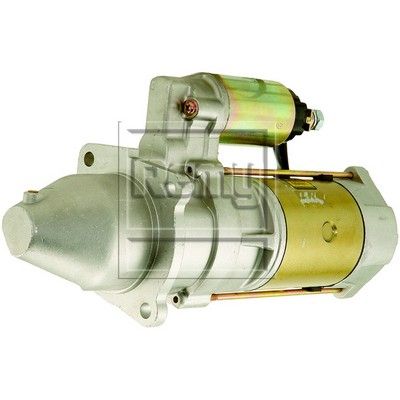
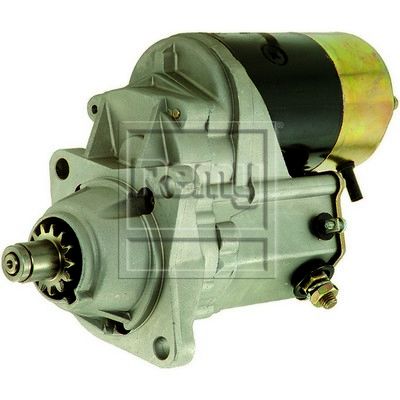
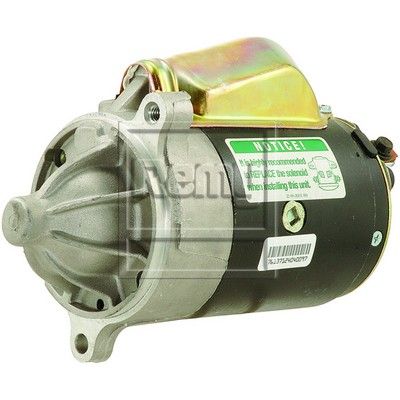
The 1983-1990 E-350 uses a 12-volt, direct-drive style starter. It works with a separate, fender-mounted starter solenoid/relay system. It is critical to match the replacement starter to your specific engine (e.g., 4.9L I6, 5.8L V8, 7.5L V8, or 6.9L/7.3L Diesel) and transmission type (Automatic/Manual) to ensure proper fitment and gear engagement.
We Have This Part in Stock

The information in this article is provided for general reference and educational purposes only. Vehicle specifications, procedures, and part compatibility can vary by production date, trim level, and region. Always consult your vehicle's factory service manual and verify part numbers before purchasing or performing repairs. Safety-critical components such as airbags, seat belts, and braking systems should be installed by a qualified professional.
- Ford E-350 Econoline:
- 🎬 Helpful Videos
- 🛍️ Shop This Part
- Is Your E-350 Starter Failing?
- STOP! Check This First: The Fender Solenoid
- Common Symptoms of a Bad Starter
- Choosing the Right Aftermarket Starter
- Tier 1: Premium Aftermarket
- Tier 2: Standard Aftermarket
- Pro Tip for V8 Owners: Heat Soak
- Estimated Replacement Costs
- Frequently Asked Questions (FAQ)
- 🎟️ Get 5% Off