

Ford Ranger Engine Mount Guide: 1983-1990 Replacement Advice
Experiencing heavy vibrations or clunking noises in your first-generation Ford Ranger? Your engine mounts might be the culprit.
- You must verify the correct mount for your Ranger's engine (4-cylinder vs. V6) and drivetrain (2WD vs. 4WD).
- Symptoms include intense vibration at idle, loud clunking on acceleration, and visible engine rocking.
- Aftermarket brands like Anchor, DEA, and Westar are affordable but may not last as long as original parts.
- It is highly recommended to replace both engine mounts at the same time and inspect the transmission mount.
Symptoms of a Failing Engine Mount in Your Ranger
The engine mounts on the first-generation Ford Ranger are simple but tough. After decades of service, the rubber can dry out, crack, or get saturated with oil, causing them to fail. When they go bad, you'll know it. Here are the most common signs:
- Heavy Vibration: You might feel a strong vibration through the steering wheel, floor, or dashboard, especially when the engine is idling. This happens because the worn-out rubber can no longer absorb the engine's normal shaking.
- Clunking or Thumping Noises: A loud 'clunk' or 'thump' when you accelerate, decelerate, or shift gears is a classic sign of a broken mount. This noise is the sound of the engine physically shifting and hitting against its limits because the mount is no longer holding it tight.
- Visible Engine Movement: A simple way to check is to have a friend watch the engine while you have the hood open. With the parking brake on and your foot firmly on the brake pedal, shift from Park to Drive or Reverse. If the engine dramatically lifts or rocks, a mount has likely failed.
Don't Ignore Bad Mounts
Driving with a failed engine mount puts extra stress on other parts. It can damage hoses, wiring, and exhaust components. In severe cases, it can also put stress on the transmission mount and driveshaft.
Choosing the Right Aftermarket Engine Mount
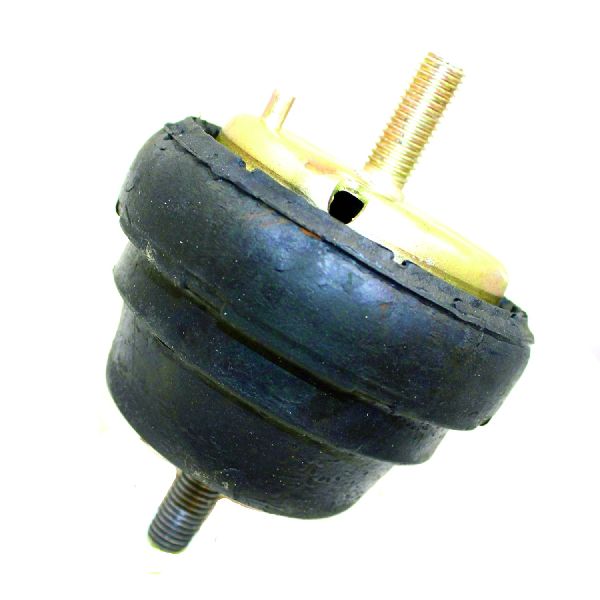
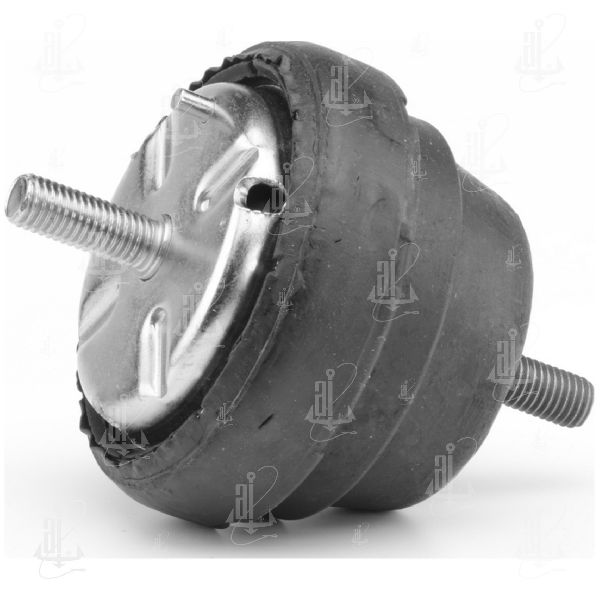
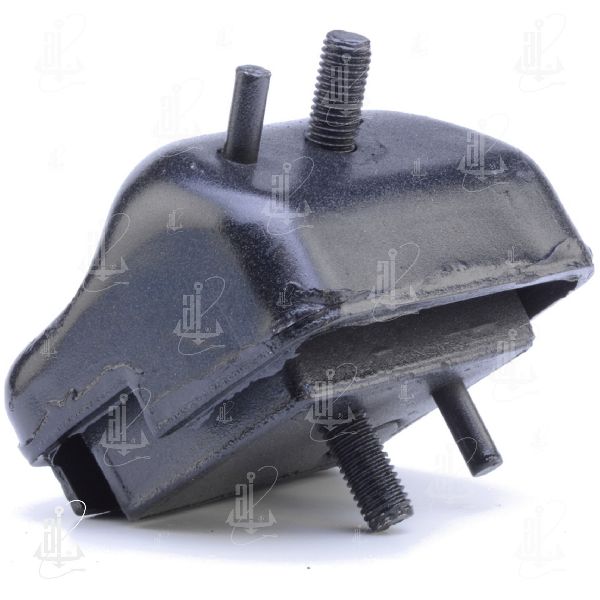
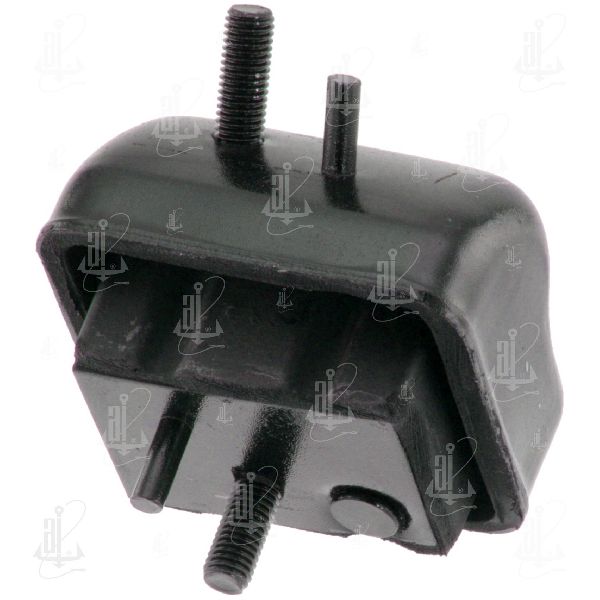
For a 1983-1990 Ranger, finding original Ford (OEM) mounts can be difficult and expensive. The aftermarket offers several affordable options that can get your truck running smoothly again. The most important step is to buy the correct mount for your specific truck.
- Engine: Mounts for the 4-cylinder (2.0L, 2.3L) engines are different from those for the V6 (2.8L, 2.9L) engines.
- Drivetrain: In some cases, mounts may differ between 2-wheel drive (2WD) and 4-wheel drive (4WD) models. Always verify fitment.
Aftermarket Brand Quality
Brands like Anchor, DEA, and Westar are common, budget-friendly choices. Forum discussions among Ranger owners show mixed experiences. Many users find them to be a perfectly good value for daily driving, while some report that they don't last as long as the original factory mounts or have occasional fitment issues. For a classic truck, these brands represent a practical and affordable repair solution.
Pro Tip: Replace in Pairs and Check the Transmission Mount
Your Ranger has two engine mounts and one transmission mount. It's best practice to replace both engine mounts at the same time. When one fails, the other has been taking on extra stress and is likely not far behind. Since you're already supporting the powertrain, it's a good time to inspect and, if necessary, replace the transmission mount as well.
Cost to Replace Ford Ranger Engine Mounts (1983-1990)
| Item | Estimated Cost |
|---|---|
| DIY - Aftermarket Parts (2 Engine Mounts) | $40 - $135 |
| Shop Repair - Parts & Labor | $325 - $550 |
Cost estimates are for two engine mounts and are based on market research. Actual costs may vary by location and parts availability. Shop labor is estimated at 1.5-3 hours.
Frequently Asked Questions
How many engine mounts does a 1983-1990 Ford Ranger have?
All first-generation Rangers have two engine mounts and one transmission mount, for a total of three mounts supporting the engine and transmission assembly.
Is it hard to replace the engine mounts on an old Ranger?
For a DIY mechanic with the right tools, it's a manageable job. The process involves supporting the engine's weight with a jack and a block of wood, unbolting the old mounts, and bolting in the new ones. However, accessing the bolts can be tight, especially on the driver's side, and may require tools like ratcheting wrenches or long extensions.
Are the V6 engine mounts stronger than the 4-cylinder ones?
Yes, forum discussions with long-time Ranger owners suggest the original V6 mounts were generally more robust than the 4-cylinder mounts, which were more prone to failure. When buying replacements, ensure you get the correct part for your engine size.
Are aftermarket mounts from brands like Anchor or Westar any good?
They are considered budget-friendly, standard replacements. For a vehicle of this age, they provide a good value. However, they may not have the same lifespan as the original OEM parts. Given the low cost, they are a popular choice for keeping these classic trucks on the road.
Technical Specifications
Fitment varies based on engine size (2.0L, 2.3L, 2.8L V6, 2.9L V6) and drivetrain (2WD or 4WD). Visually compare the new mount to the old one before installation to ensure proper fit.
We Have This Part in Stock


The information in this article is provided for general reference and educational purposes only. Vehicle specifications, procedures, and part compatibility can vary by production date, trim level, and region. Always consult your vehicle's factory service manual and verify part numbers before purchasing or performing repairs. Safety-critical components such as airbags, seat belts, and braking systems should be installed by a qualified professional.
- Ford Ranger:
- 🛍️ Shop This Part
- Symptoms of a Failing Engine Mount in Your Ranger
- Don't Ignore Bad Mounts
- Choosing the Right Aftermarket Engine Mount
- Aftermarket Brand Quality
- Pro Tip: Replace in Pairs and Check the Transmission Mount
- Cost to Replace Ford Ranger Engine Mounts (1983-1990)
- Frequently Asked Questions
- 🎟️ Get 5% Off