

A Ford Ranger Owner's Guide to the Ignition Control Module (1983-1990)
Diagnose common failure symptoms and choose the right replacement TFI module for your first-generation Ranger.
- Heat is the #1 cause of failure for these modules; stalling when the engine is hot is the classic symptom.
- You MUST apply new thermal paste to the back of the replacement module to prevent it from overheating and failing prematurely.
- A special 5.5mm or 7/32" thin-walled socket is often required for the mounting bolts, which are in a tight spot on the distributor.
- Symptoms can overlap with a bad ignition coil or distributor pickup, so testing the module at a parts store is a good first step.
Understanding the Ignition Control Module in Your Ranger

The ignition control module is a critical part of what makes your 1983-1990 Ford Ranger run. Think of it as a heavy-duty switch. It receives a low-power timing signal from the distributor and uses that to control the high-power flow of electricity to the ignition coil. When it works, your engine gets a consistent, powerful spark. When it starts to fail, it can cause some of the most frustrating and hard-to-diagnose engine problems.
Common Symptoms of a Failing Ignition Module

A bad ignition module often fails when it gets hot, leading to problems that can disappear after the engine cools down. This can make it tricky to identify. Here are the most common signs:
- Engine Stalls When Hot: This is the classic symptom. You might be driving for 15-30 minutes, and the engine suddenly dies for no reason. After it sits and cools for a while, it might start right back up.
- No Spark / No Start: The module can fail completely, leaving you with an engine that cranks but never starts. This happens because the module is no longer telling the coil to create a spark.
- Rough Idle and Misfiring: A failing module can send erratic signals, causing the engine to run rough, misfire, or feel like it's losing power intermittently while driving.
- Bouncing Tachometer Needle: Some owners report seeing the tachometer needle bounce around erratically when the module is failing, even if the engine speed isn't changing that much.
Heat is the Enemy
The original design mounts the module directly to the distributor, where it soaks up a lot of engine heat. This constant heat cycling is what eventually causes the electronics inside to fail.
Choosing the Right Aftermarket Ignition Module

Since the original Motorcraft modules were known to have issues due to their location, a high-quality aftermarket part can be a reliable choice. Here’s a look at the available brands:
- Motorcraft: As the original equipment (OE) supplier for Ford, Motorcraft is generally considered the safest bet for fit and function. However, forum users have reported that even new Motorcraft parts can sometimes be defective out of the box. It's often the most expensive option.
- Standard Ignition (Standard Motor Products): SMP is a well-respected aftermarket manufacturer. Their T-Series parts are often built to meet or exceed OE specifications and can be a reliable alternative to Motorcraft.
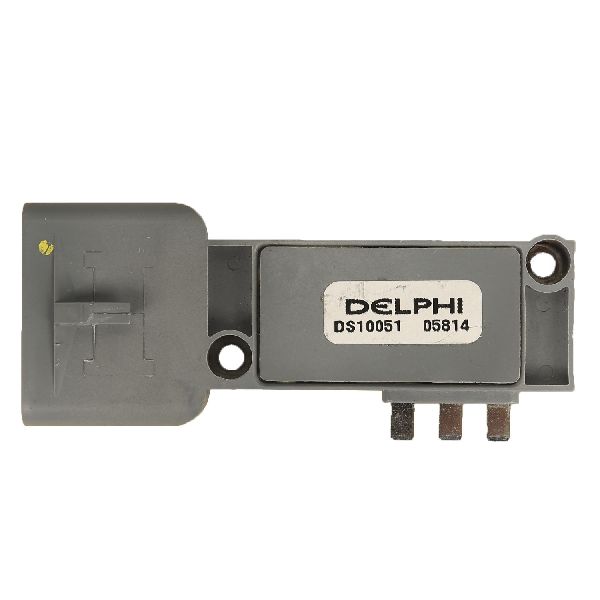
- Delphi: Delphi is another huge OEM supplier that also produces parts for the aftermarket. They have a reputation for quality electronics and are a solid choice for a replacement module.
The Verdict: While Motorcraft is the OE choice, a top-tier aftermarket brand like Standard Ignition or Delphi can offer comparable quality, often at a better price. Given the potential for getting a bad part from any brand, the warranty and return policy can be just as important as the name on the box.
Installation Pro Tip
Replacing the module requires removing two small bolts, which are often 5.5mm or 7/32". A special thin-walled socket or wrench is usually needed to access them. Most importantly, you must apply a fresh coat of the included thermal paste (dielectric grease) to the metal back of the new module. This paste helps transfer heat away from the module to the distributor body. Skipping this step will cause the new module to overheat and fail very quickly.
How Much Does a New Ignition Module Cost?

The cost depends on the brand you choose and whether you do the work yourself. The job is possible for a DIYer, but the tight space can make it frustrating.
| Part or Service | Estimated Cost |
|---|---|
| New Aftermarket Module | $82.70 - $261.65 |
| Shop Labor | $146 - $215 |
| Total Professional Replacement | $228 - $476 |
Frequently Asked Questions
Can I test my old ignition module before buying a new one?
Yes. Many auto parts stores have a bench tester for ignition modules. It's a good idea to have yours tested, but be aware that a module can sometimes pass the test when it's cold but still fail when it gets hot in the engine bay.
Why is the thermal paste so important?
The thermal paste, or dielectric grease, fills in microscopic gaps between the module and the distributor housing it's mounted to. This creates a path for heat to escape from the module's electronics. Without it, the module will quickly overheat and burn itself out.
Are there any recalls on the 1983-1990 Ranger ignition module?
No, there are no specific recalls or TSBs for the ignition control module on these trucks. There was a major Ford recall in the 1990s for a faulty ignition *switch* (the part you put your key in), which affected some 1988-1990 Rangers, but this is a completely different part from the ignition control module.
What's the difference between a gray and a black TFI module?
Ford made two main types of TFI modules, identified by the color of their plastic housing. The gray module is the correct one for most Rangers of this era. The black module has a different internal design and can cause performance issues if used in the wrong application.
Helpful Videos


Technical Specifications
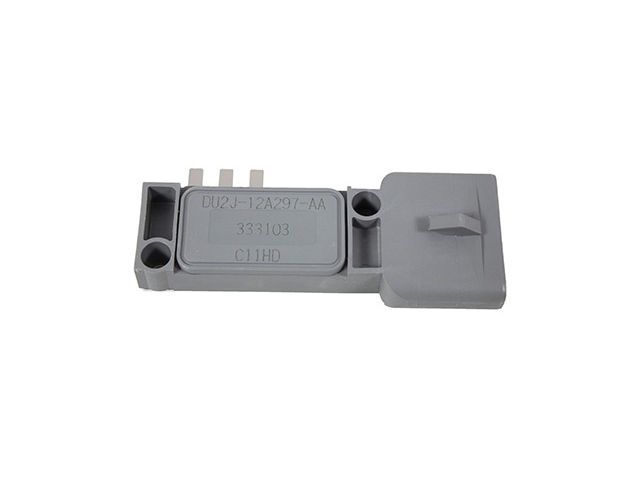
OEM Part Numbers: E6SF-12A297-A2A E8TZ12A297A E9TZ12A297A DY-1077 5U2Z12A297D
This is a Thick Film Ignition (TFI-IV) module, typically gray in color, mounted to the distributor.
We Have This Part in Stock


The information in this article is provided for general reference and educational purposes only. Vehicle specifications, procedures, and part compatibility can vary by production date, trim level, and region. Always consult your vehicle's factory service manual and verify part numbers before purchasing or performing repairs. Safety-critical components such as airbags, seat belts, and braking systems should be installed by a qualified professional.
- Ford Ranger:
- 🎬 Helpful Videos
- 🛍️ Shop This Part
- Understanding the Ignition Control Module in Your Ranger
- Common Symptoms of a Failing Ignition Module
- Heat is the Enemy
- Choosing the Right Aftermarket Ignition Module
- Installation Pro Tip
- How Much Does a New Ignition Module Cost?
- Frequently Asked Questions
- 🎟️ Get 5% Off