

1983-1990 Porsche 911 Carrera Cylinder Head Temperature Sensor Guide
Poor cold starts or rough running in your 3.2 Carrera could point to one critical sensor.
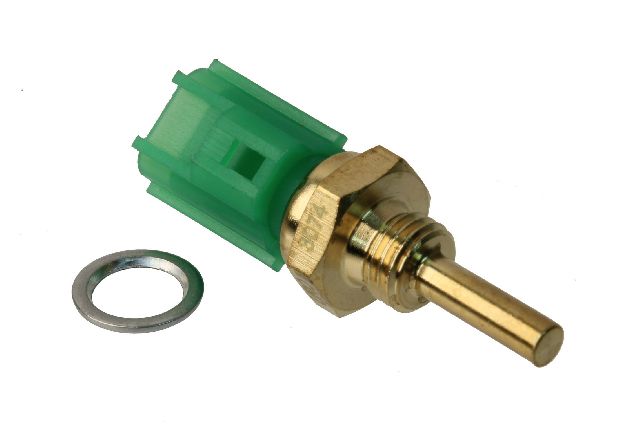
- This is a Cylinder Head Temperature (CHT) sensor, not a coolant sensor, specific to the air-cooled 3.2 Carrera engine.
- Symptoms often relate to cold starting and warm-up, including rough idle, stalling, and hesitation.
- Upgrading from the original single-wire sensor to the more reliable two-wire version is highly recommended.
- Aftermarket quality varies; URO Parts is a budget option with mixed reviews, while Standard Ignition is a more trusted brand.
Understanding the 911's Temperature Sensor
Your 1983-1990 Porsche 911 Carrera has an air-cooled engine, so it doesn't use a traditional "coolant" temperature sensor. Instead, it uses a Cylinder Head Temperature (CHT) Sensor. This part is often mislabeled as a coolant sensor, but its function is specific to the 3.2 Carrera's air-cooled design. It's a small but critical electronic part that tells the main computer, the DME, how hot the engine is. Based on the sensor's reading, the DME adjusts the air-fuel mixture. A cold engine needs a richer mixture (more fuel) to start and run smoothly, while a warm engine needs a leaner mixture.
Symptoms of a Failing CHT Sensor
A bad CHT sensor can cause a range of frustrating engine problems. Because the sensor's resistance changes with temperature, a failure can send the wrong signal to the DME at any time. Common symptoms include difficulty starting when the engine is cold, a rough idle or stalling during warm-up, and hard restarting when the engine is hot. You might also notice poor fuel economy, a high idle, or sudden hesitation and bucking at high RPMs. In some cases, the engine may run rich, causing a smell of fuel from the exhaust.
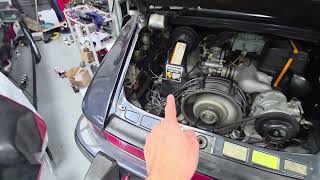
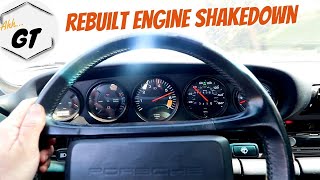
🎬 Watch this diagnosis of engine issues after a rebuild.Early vs. Late Model Sensors
Early 3.2 Carrera models used a single-wire CHT sensor that relied on its threaded body for a ground connection. These proved to be unreliable. Later models were updated to a more dependable two-wire sensor that provides a dedicated ground. When replacing, upgrading to the two-wire design is highly recommended.
Choosing the Right Aftermarket CHT Sensor
When your CHT sensor fails, you have a few options. A Genuine Porsche sensor is the most expensive choice, often costing several hundred dollars. Aftermarket brands offer a more affordable alternative, but quality can vary.
| Brand Tier | Available Brands | Price Range | Notes |
|---|---|---|---|
| Premium Aftermarket | Standard Ignition | $130 - $150 | Standard Motor Products (SMP) is a well-established brand known for producing reliable electronic components. This is often a solid choice when the OEM part is unavailable or too costly. |
| Standard Aftermarket | URO Parts, Global Parts | $12 - $115 | URO Parts offers a budget-friendly option and comes with a 24-month warranty. However, owner experiences are mixed. Some report premature failures or fitment issues with the electrical connector, while others have had no problems. It can be a gamble, but the low cost is attractive. |
| OEM | Genuine Porsche | $250 - $470+ | This is the original part supplied by Porsche. It guarantees perfect fit and function but comes at a significant premium. |
Pro Tip: Test Before You Install
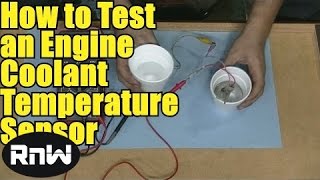
Before installing a new sensor, you can test its resistance with a multimeter to ensure it's within the correct specification. A new sensor should read approximately 2.5 kOhms at room temperature (around 68°F or 20°C). This simple check can save you the hassle of installing a defective part.
🎬 See how to test a temperature sensor with a multimeter.Frequently Asked Questions (FAQ)
Where is the CHT sensor located on a 3.2 Carrera?
The CHT sensor is screwed into the cylinder head for cylinder #3, which is on the driver's side of the engine, near the gearbox. Access is typically through the rear driver's side wheel well after removing the wheel.
Can I replace the CHT sensor myself?
Yes, this is a feasible DIY job for someone with moderate mechanical skill. It involves jacking up the car, removing the rear wheel, and accessing the sensor through the wheel well. You may need to remove the shock absorber for better access. The estimated time is around 1-2 hours.
🎬 Watch a 3.2 Carrera running smoothly after new sensors.Are there any recalls for the 1983-1990 Porsche 911 temperature sensor?
No, searches of the National Highway Traffic Safety Administration (NHTSA) database did not find any recalls or technical service bulletins (TSBs) specifically related to the cylinder head temperature sensor for the 1983-1990 Porsche 911.
What happens if I ignore a bad CHT sensor?
Ignoring a faulty CHT sensor will lead to persistent running issues like poor starting, stalling, and bad fuel mileage. In severe cases, an engine running extremely rich can foul spark plugs, while sudden engine cut-outs at high RPM can put stress on the drivetrain.
Helpful Videos
Technical Specifications
OEM Part Numbers: 93060691500 930.606.915.00 930 606 915 00
Location: Cylinder #3. Thread Size: M10x1. Resistance (Approximate): 2.5 kOhms @ 20°C (68°F).
We Have This Part in Stock


The information in this article is provided for general reference and educational purposes only. Vehicle specifications, procedures, and part compatibility can vary by production date, trim level, and region. Always consult your vehicle's factory service manual and verify part numbers before purchasing or performing repairs. Safety-critical components such as airbags, seat belts, and braking systems should be installed by a qualified professional.
- Porsche 911: