

A Practical Guide to Replacing Your 1983-1990 Volvo 760 Catalytic Converter
Understand the symptoms of failure and choose the right aftermarket part to keep your classic Volvo running clean.
- A loss of power, rattling sounds, and a rotten egg smell are classic signs of a failed converter on a 760.
- Aftermarket parts are the only realistic option; choose a direct-fit model for easier installation.
- Fix the root cause of the failure (like engine misfires) before installing a new converter to prevent repeat damage.
- Expect to deal with heavily rusted bolts; soaking them in penetrating oil overnight is essential for DIY replacement.
Is Your 760's Catalytic Converter Failing?
A failing catalytic converter isn't just bad for the environment; it can seriously affect your car's performance. Because the 1983-1990 Volvo 760 is from an era before modern OBD-II diagnostics, recognizing the physical symptoms is key. While later model cars will trigger a P0420 code, your 760's 'Check Engine' light signals a fault that must be read using the under-hood diagnostic unit.
Common Symptoms of a Bad Converter:
- Loss of Power: The most common sign is a sluggish engine, poor acceleration, or hesitation when you press the gas pedal. This is caused by a clog inside the converter creating backpressure, essentially choking the engine.
- Rattling Noises: If you hear a rattling or clunking sound from under the car, especially on startup or at idle, the ceramic honeycomb inside the converter may have broken apart.
- Rotten Egg Smell: A distinct sulfur or rotten egg smell from the exhaust means the converter is no longer effectively processing the exhaust gases.
- Reduced Fuel Economy: If you're filling up your tank more often, it could be because your engine is working harder to overcome an exhaust restriction, burning more fuel.
- Failed Emissions Test: In areas where testing is required, a failed test is a definitive sign that the converter is no longer functioning correctly.
Choosing the Right Aftermarket Converter
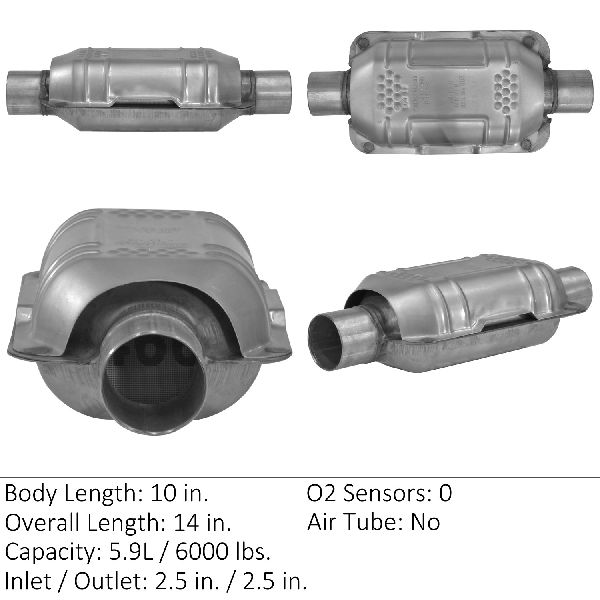
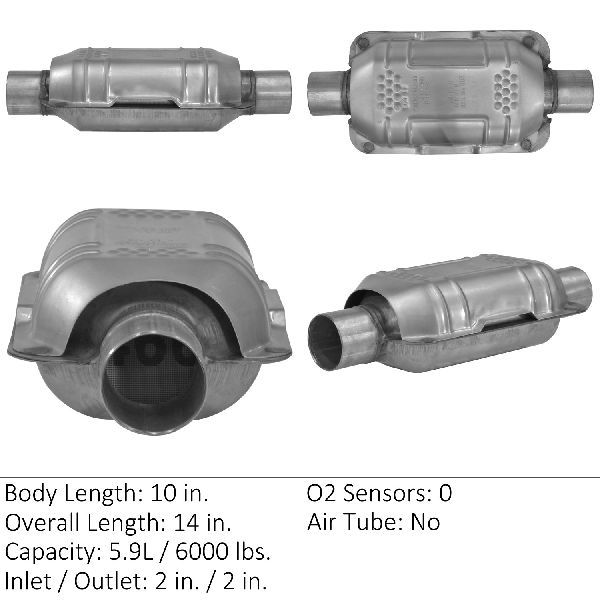
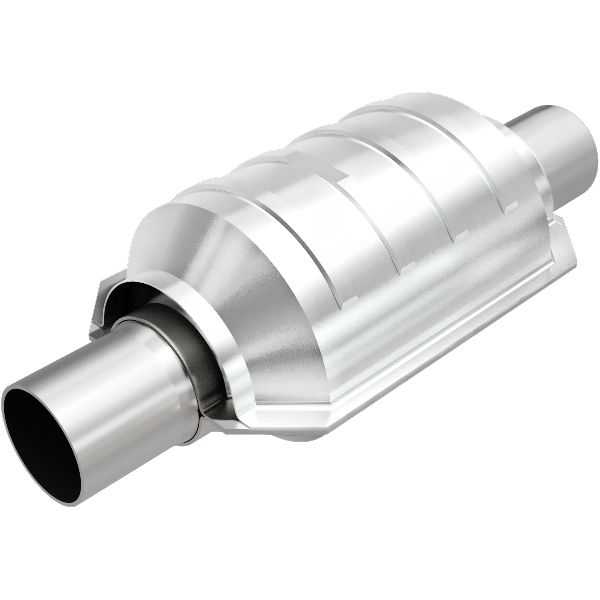
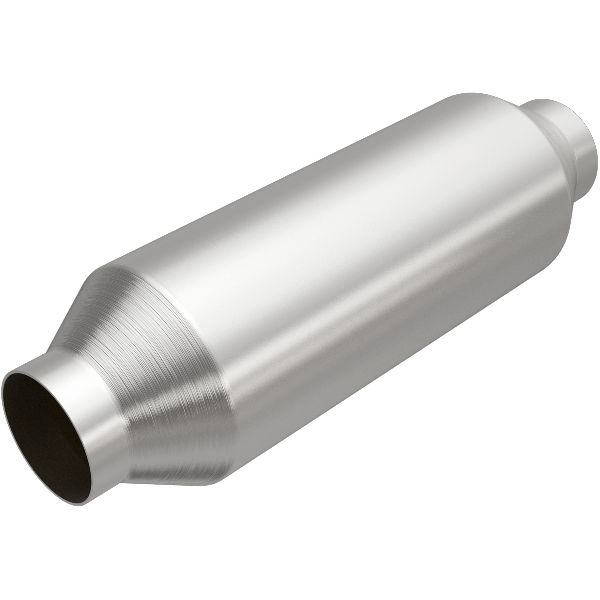
For a vehicle of this age, original Volvo (OEM) parts are often incredibly expensive or no longer available. Aftermarket converters are the most practical and common solution. They come in two main types: direct-fit and universal. Direct-fit models are designed to bolt right into the factory location, while universal models require cutting and often welding for installation. Given the age of the 760, even a "direct-fit" part may require some effort due to rusted hardware.
Aftermarket Brand Tiers for Your Volvo 760:
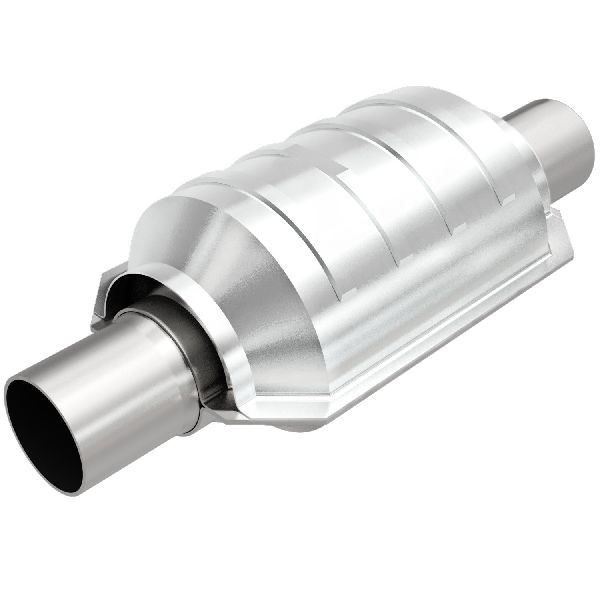
- Performance (High-End): Brands like MagnaFlow are known for high-quality stainless steel construction and are often considered a performance upgrade. They are built for durability and can sometimes improve exhaust flow, but they are at the higher end of the aftermarket price range.
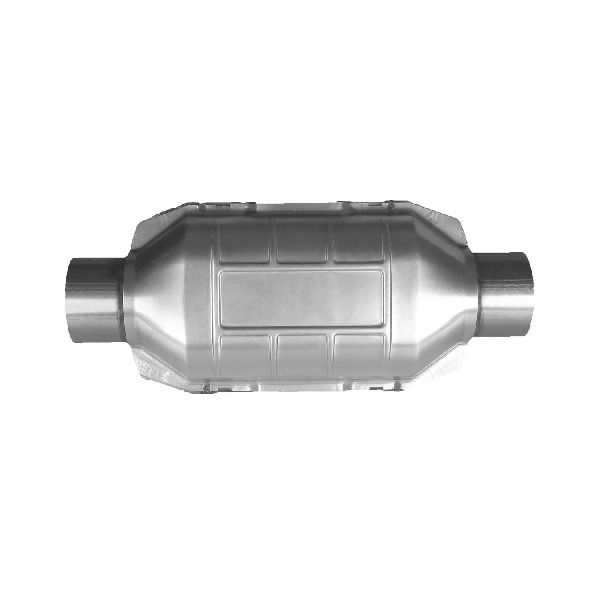
- Standard Replacement: Brands such as AP Exhaust and Eastern Catalytic offer reliable, budget-friendly replacements that meet federal EPA standards. These are a good choice for drivers looking for a functional, cost-effective solution to pass emissions and restore performance without the premium price tag.
Pro Tip: Before replacing your converter, it's critical to fix the problem that caused it to fail in the first place. Common causes include engine misfires from bad spark plugs, leaking fuel injectors, or oil/coolant burning in the engine. Installing a new converter without fixing the root cause can lead to the new part failing quickly.
Known Issues, Recalls, or TSBs
Searches for official recalls or Technical Service Bulletins (TSBs) from Volvo or the NHTSA did not find any specific issues related to the catalytic converter for the 1983-1990 Volvo 760 models. Any issues you encounter are likely due to the age and wear of the original component.
Frequently Asked Questions (FAQ)
Do I need a direct-fit or universal converter?
A direct-fit converter is highly recommended for an easier installation, as it's designed to match your Volvo's original exhaust layout. A universal converter can save money but will require professional installation with cutting and welding, which can add to labor costs.
Why did my original converter fail?
Converters don't usually fail on their own. Failure is almost always a symptom of another problem. Unburned fuel from engine misfires can enter the exhaust and overheat the converter, melting the internal structure. Contamination from leaking engine oil or coolant can also coat the catalyst materials, rendering them useless.
Will an aftermarket converter last as long as the original?
While a high-quality aftermarket converter from a brand like MagnaFlow can be very durable, most aftermarket parts may not last as long as the original factory part. However, for a classic vehicle, they provide a cost-effective and reliable solution for many years of service, provided the engine is in good running condition.
Should I replace my oxygen sensors at the same time?
Yes, it is highly recommended. Old oxygen sensors can become lazy or inaccurate, providing bad information to the engine computer. Replacing them with the converter ensures the entire emissions control system is working together correctly and protects your investment in the new converter.
Technical Specifications
Vehicle utilizes an OBD-I diagnostic system. Converters are available in direct-fit and universal configurations. Federal (EPA) compliant converters are suitable for most states outside of California, New York, and Maine.
We Have This Part in Stock

The information in this article is provided for general reference and educational purposes only. Vehicle specifications, procedures, and part compatibility can vary by production date, trim level, and region. Always consult your vehicle's factory service manual and verify part numbers before purchasing or performing repairs. Safety-critical components such as airbags, seat belts, and braking systems should be installed by a qualified professional.
- Volvo 760: