

Choosing the Right Spark Plugs for Your 1983-1991 BMW R100
Keep your classic air-cooled twin running strong by understanding your spark plug options.
- Always use non-resistor spark plugs (e.g., NGK BP6ES) unless you have non-resistor plug caps.
- NGK and Bosch are the most trusted and recommended brands for the R100.
- Always check and set the spark plug gap to spec (0.6mm-0.7mm) before installation.
- Replacement is a very easy DIY job that requires only basic tools.
Symptoms of Failing Spark Plugs
Worn or incorrect spark plugs can cause a number of noticeable problems. If you experience any of these, your plugs are one of the first and easiest things to check.
- Difficulty Starting: A weak spark makes it hard to ignite the fuel mixture, especially when the engine is cold. 🎬 Watch this guide on troubleshooting hard starting issues.
- Rough Idle: You might feel vibrations or hear the engine stumbling when the bike is stopped.
- Engine Misfires: A sensation of the engine momentarily losing power, sometimes with a popping sound from the exhaust. 🎬 See how to diagnose common misfiring and stalling problems.
- Poor Acceleration: The bike may feel sluggish or hesitant when you open the throttle.
- Reduced Fuel Economy: Inefficient combustion from a weak spark means you'll be visiting the gas station more often.
- Fouled Plugs: When you remove the plugs, they may be black and sooty, indicating a rich fuel mixture or weak spark.
Choosing the Right Aftermarket Spark Plug
For the R100, selecting the right spark plug is more than just finding one that fits. The key is choosing a non-resistor plug with the correct heat range to work with the bike's original ignition system. Most R100 models came with resistor-type spark plug caps from the factory, and using a resistor plug at the same time can weaken the spark.
Brand Quality Tiers for BMW R100
| Tier | Brands | Assessment |
|---|---|---|
| Best / OEM Equivalent | Bosch, NGK | Bosch was the original equipment manufacturer for these bikes. The non-resistor Bosch W7DC or W6DC are excellent choices if you can find them. NGK's non-resistor BP6ES is the most commonly recommended and widely available aftermarket equivalent, trusted by countless owners for its reliability and performance. |
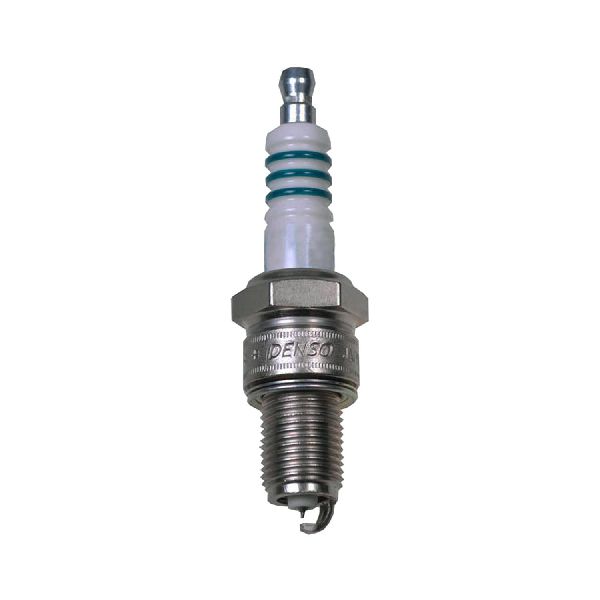
| Good | Denso | Denso is a quality Japanese brand, similar in reputation to NGK. Their W20EP-U is a suitable non-resistor alternative to the Bosch and NGK plugs and is considered a reliable option by many riders. |
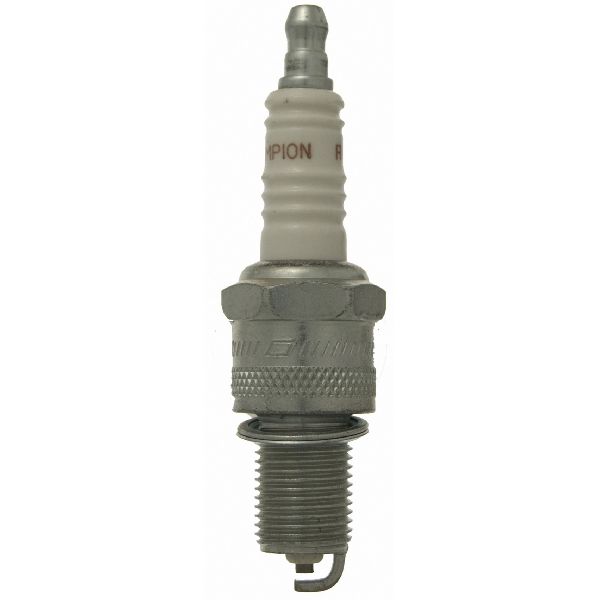
| Budget | Champion, Autolite | While Champion (N9YC) and Autolite plugs are available and will work, they are generally considered a budget option by the airhead community. Most experienced owners prefer to stick with Bosch, NGK, or Denso for long-term reliability. |
Resistor vs. Non-Resistor Plugs
This is the most common mistake. Your 1983-1991 R100 has resistor spark plug caps (usually 5k Ohm). Adding resistor plugs (like an NGK BPR6ES, with an 'R' in the part number) creates too much total resistance, leading to a weak spark and poor performance. Always choose non-resistor plugs (like NGK BP6ES) unless you have changed to non-resistor plug caps.
Known Issues, Recalls, or TSBs
There are no specific recalls or Technical Service Bulletins (TSBs) from BMW or the NHTSA related to spark plugs for the 1983-1991 R100. However, a common issue noted by owners is sooty or rich-running conditions on the right-side cylinder. This is often caused by the crankcase breather hose venting oil mist into the right carburetor's air intake, which can foul the plug more quickly than the left side.
DIY Installation Tips
Changing the spark plugs on an R100 is one of the easiest maintenance jobs thanks to the exposed cylinder heads.
- Clean the Area: Before removing the old plug, use compressed air or a brush to clean any dirt from around the spark plug base. This prevents debris from falling into the engine.
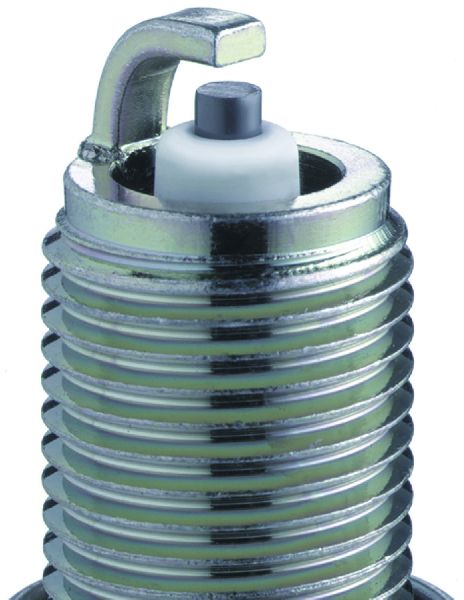
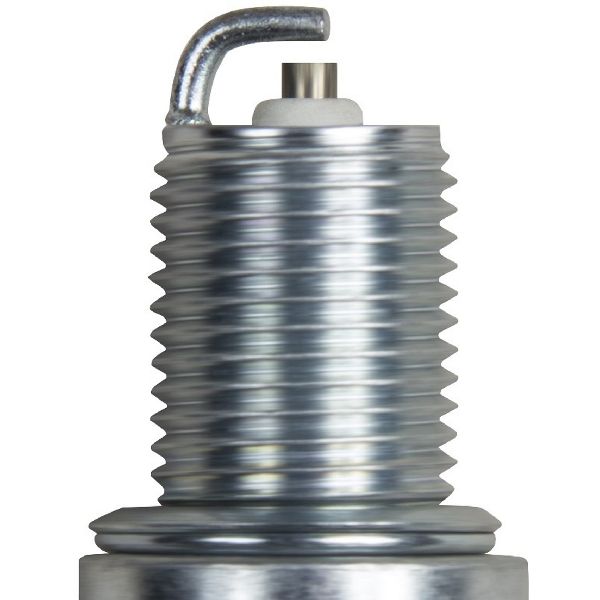
- Check the Gap: Always check the gap on new spark plugs before installing them. The recommended gap for most R100s is between 0.6mm and 0.7mm (0.024" - 0.028"). Use a proper gapping tool. 🎬 Watch a quick demonstration on how to set your gap.
- Hand-Tighten First: Thread the new plugs in by hand until they are seated. This prevents cross-threading.
- Torque Correctly: Use a torque wrench. The correct torque specification for these aluminum heads is crucial to avoid damage. The typical torque is around 18-21.6 lb-ft. Finish by giving the plug a final 1/2 to 2/3 turn if you don't have a torque wrench.
Pro Tip: Apply a small amount of anti-seize compound to the spark plug threads before installation. This will make them much easier to remove next time.
Frequently Asked Questions
How often should I replace the spark plugs on my R100?
For a standard copper plug like an NGK BP6ES, it's good practice to inspect them every 5,000 miles and replace them every 10,000 miles or every two years, whichever comes first. They are inexpensive, and fresh plugs are cheap insurance for a healthy engine.
What is the correct spark plug gap for a 1983-1991 R100?
The recommended spark plug gap is typically between 0.6mm and 0.7mm (0.024" to 0.028"). However, always verify with your owner's manual for the exact specification for your model year. Never assume a new plug is gapped correctly out of the box.
Are expensive Iridium spark plugs worth it for my R100?
Generally, no. While Iridium plugs (like the NGK BPR6EIX) last longer, they are also resistor plugs. The ignition system on a classic R100 was designed for standard, non-resistor copper plugs. Sticking with the recommended NGK BP6ES or Bosch W7DC will provide the best performance and value.
What tools do I need to change the spark plugs?
You will need a dedicated spark plug socket (typically 21mm or 13/16"), a socket wrench with an extension, a torque wrench, and a spark plug gapping tool. The original BMW toolkit often included a basic plug wrench.
Helpful Videos
Technical Specifications
OEM Part Numbers: Bosch W7DC Bosch W6DC
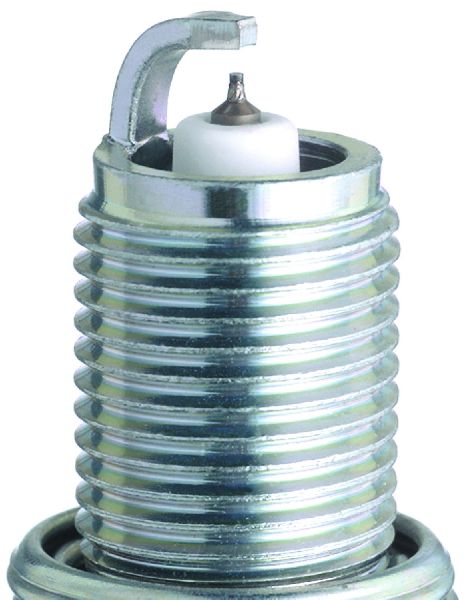
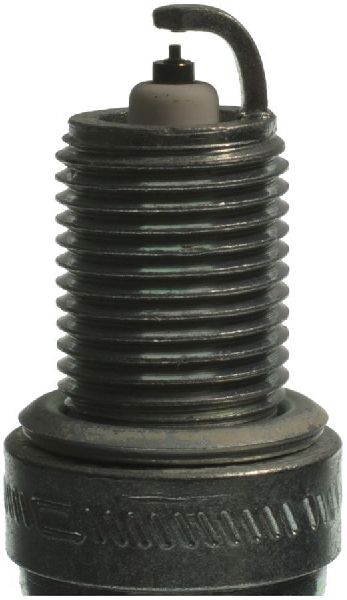
Thread Size: 14mm, Hex Size: 21mm (13/16"), Reach: 19mm (3/4"), Gap: 0.6mm - 0.7mm (0.024" - 0.028"), Type: Non-Resistor
We Have This Part in Stock

The information in this article is provided for general reference and educational purposes only. Vehicle specifications, procedures, and part compatibility can vary by production date, trim level, and region. Always consult your vehicle's factory service manual and verify part numbers before purchasing or performing repairs. Safety-critical components such as airbags, seat belts, and braking systems should be installed by a qualified professional.
- BMW R100: