

1983-1991 GMC S15 Jimmy Engine Coolant Temperature Sensor Replacement Guide
Fix poor fuel economy, rough idling, and check engine lights on your S15 Jimmy by replacing a faulty temperature sensor.
- A bad ECT sensor commonly causes a check engine light (Code 14 or 15), poor fuel economy, and a rough idle.
- Replacement is an easy DIY job that takes under 30 minutes with basic tools.
- Choose a quality aftermarket brand like Delphi, NGK, or Standard Ignition to ensure accurate readings.
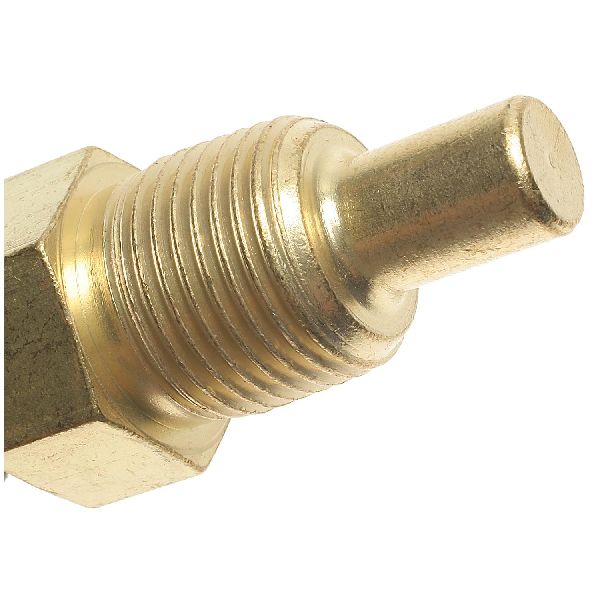
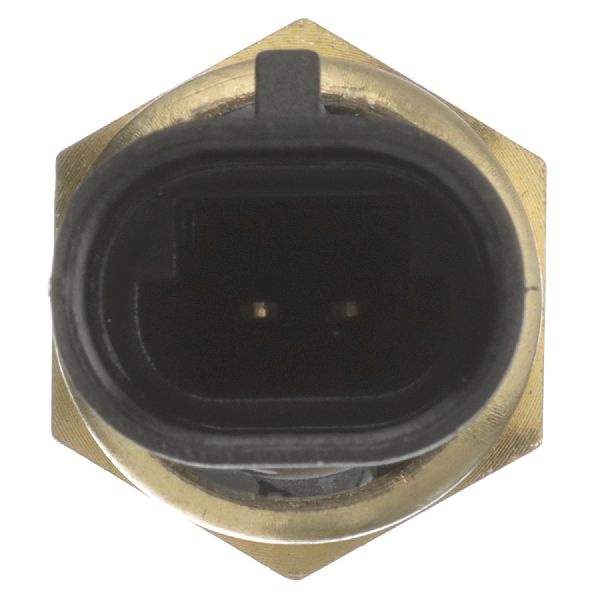
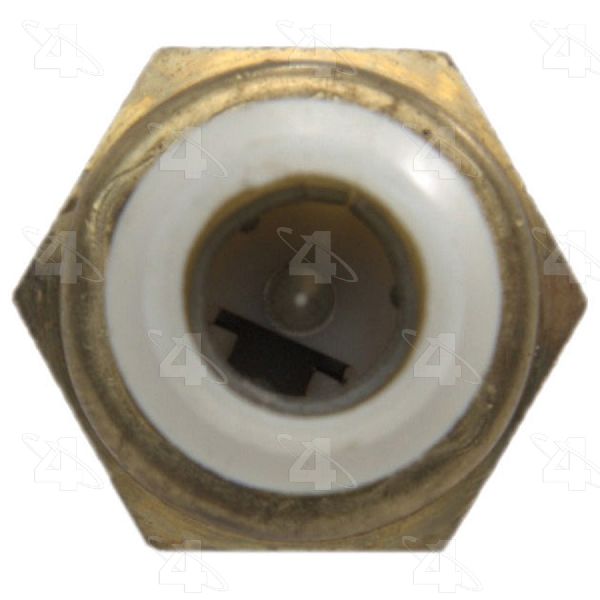
- Be sure you are replacing the two-wire sensor for the computer, not the single-wire sender for the gauge (if equipped).
Is Your S15 Jimmy Running Rough? It Could Be This Sensor.
If your 1983-1991 GMC S15 Jimmy is experiencing issues like bad gas mileage, black exhaust smoke, or a rough idle, a failing Engine Coolant Temperature (ECT) sensor is a common culprit. This sensor provides critical data to your truck's computer. When it fails, the computer often defaults to thinking the engine is always cold, causing it to inject too much fuel. This guide will walk you through the symptoms, how to choose the right aftermarket replacement, and what to expect during the installation.
Symptoms of a Bad Coolant Temperature Sensor
A bad ECT sensor can cause a variety of problems because the engine's computer relies on its readings for so many functions. Here are the most common signs:
- Check Engine Light: This is often the first sign. On these trucks, you may get OBD-I trouble code 14 (indicating a short or high temperature) or code 15 (indicating an open circuit or low temperature).
- Poor Fuel Economy: The engine running rich (too much fuel) will cause you to use significantly more gas.
- Black Smoke from Exhaust: This is a direct result of unburned fuel from a rich mixture.
- Rough Idle or Stalling: The incorrect fuel mixture can make the engine run poorly, especially once it has warmed up.
- Hard Starting: The computer receives incorrect temperature data, leading to the wrong fuel amount for starting.
- Inaccurate Temperature Gauge: The gauge on your dashboard may read incorrectly or not move at all. Note that some S15 Jimmy models have a separate sender just for the gauge, but a faulty main ECT can still cause issues.
Choosing the Right Aftermarket Sensor
For a simple electronic part like an ECT sensor on an older vehicle, you don't necessarily need to hunt down an expensive OEM part. However, quality still matters. A cheap, poorly made sensor can send inaccurate readings, leading to continued performance problems. It's best to stick with reputable aftermarket brands.
- Top-Tier Aftermarket (OEM Quality): Brands like Delphi are often original equipment manufacturers for GM. Choosing a Delphi sensor is the closest you can get to the original part's quality and reliability. NGK and Standard Ignition (Standard Motor Products) also have a strong reputation for producing reliable sensors that meet or exceed OEM specifications.
- Mid-Tier Aftermarket: Brands like Beck Arnley, Four Seasons, and Hella are generally considered reliable choices. They provide a good balance of quality and price and are a solid option for this repair.
- Economy Brands: While brands like True Tech or other store brands are the most affordable, they can be a gamble. Some owners report issues with inaccurate temperature readings from lower-cost sensors, which can defeat the purpose of the repair. For a critical sensor like the ECT, spending a few extra dollars on a more reputable brand is a wise investment.
| Part Type | Estimated Cost |
|---|---|
| New Aftermarket | $12.58 - $37.74 |
| Shop Labor | $50 - $100 |
Frequently Asked Questions (FAQ)
Where is the coolant temperature sensor located on my S15 Jimmy?
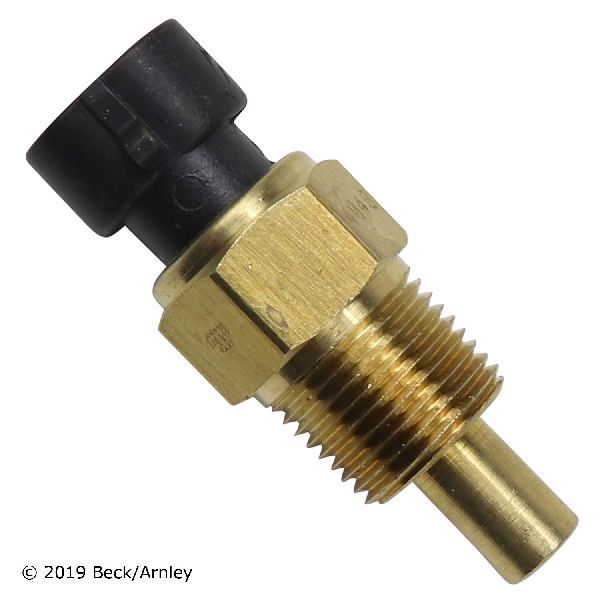
The location depends on your engine. For V6 engines (2.8L and 4.3L), it is commonly found on the front of the intake manifold, near the thermostat housing. On some four-cylinder models or other configurations, it may be located on the driver's side of the cylinder head, between the #1 and #3 spark plugs. Look for a brass sensor with a two-wire electrical connector.
Can I replace this sensor myself?
Yes, this is a very DIY-friendly job. It typically takes less than 30 minutes and requires basic hand tools. The most common tool needed is a 3/4" or 13/16" deep socket wrench. The key is to perform the job when the engine is completely cool to avoid burns and pressure in the cooling system.
Do I need to drain the coolant first?
You do not need to fully drain the cooling system. If you work quickly, you will only lose a small amount of coolant when you swap the sensors. It's a good idea to have a rag handy to clean up any spillage. After the new sensor is installed, check your coolant level in the radiator and overflow tank and top it off if necessary.
What happens if I don't replace a bad ECT sensor?
You will continue to have poor engine performance, terrible fuel mileage, and high emissions. Over time, running a constantly rich fuel mixture can lead to other problems, like fouled spark plugs and a damaged catalytic converter, which are much more expensive to fix.
Technical Specifications
OEM Part Numbers: 213-4688 213-4777 213-4514 213-4232
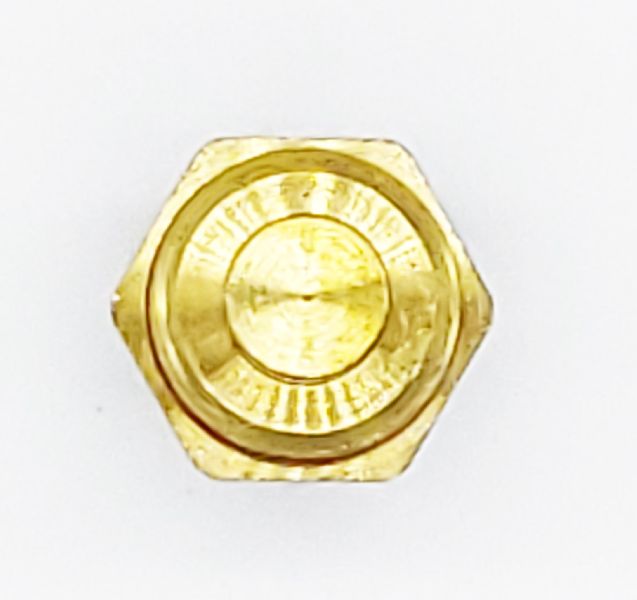
The sensor is a thermistor, meaning its electrical resistance changes with temperature. It typically has a brass body, a 2-pin connector, and threads into the intake manifold or cylinder head.
We Have This Part in Stock


The information in this article is provided for general reference and educational purposes only. Vehicle specifications, procedures, and part compatibility can vary by production date, trim level, and region. Always consult your vehicle's factory service manual and verify part numbers before purchasing or performing repairs. Safety-critical components such as airbags, seat belts, and braking systems should be installed by a qualified professional.
- GMC S15 Jimmy: