

Ford Ranger Alternator Guide (1983-1992): Choosing the Right Replacement
Don't get stranded—here's what every first-generation Ranger owner needs to know about a failing alternator.
- Many 1983-1992 Rangers used a 2G alternator with a known fire-risk plug; upgrading to a safer 3G alternator is highly recommended.
- A whining or grinding noise from the engine bay is a direct warning of failing alternator bearings and should be addressed immediately.
- Replacement is a straightforward DIY job for most owners, requiring only basic tools and about 1-2 hours.
- If you have added electrical accessories, choose a higher-amperage (e.g., 130A) alternator to meet the increased demand.
Is Your Ranger's Alternator Failing?
An alternator rarely fails without warning. For a 1983-1992 Ford Ranger, the signs are usually obvious if you know what to look for. Paying attention to these symptoms can prevent you from being stranded with a dead truck.
- Dim or Flickering Lights: The most common sign is headlights and dashboard lights that dim, flicker, or pulse, especially at idle.
- 'BATT' Light on Dash: A warning light on your instrument cluster (often a battery icon or the word 'BATT' or 'ALT') means the charging system has a problem.
- Whining or Grinding Noise: A high-pitched whining or a grinding sound from the front of the engine points to failing bearings inside the alternator.
- Weak or Dead Battery: If your truck is hard to start or you need to jump-start it often, the alternator may not be recharging the battery.
- Slow Electrical Accessories: Power windows that move slowly or windshield wipers that seem sluggish are signs of low electrical power.
Choosing the Right Aftermarket Alternator for Your Ranger
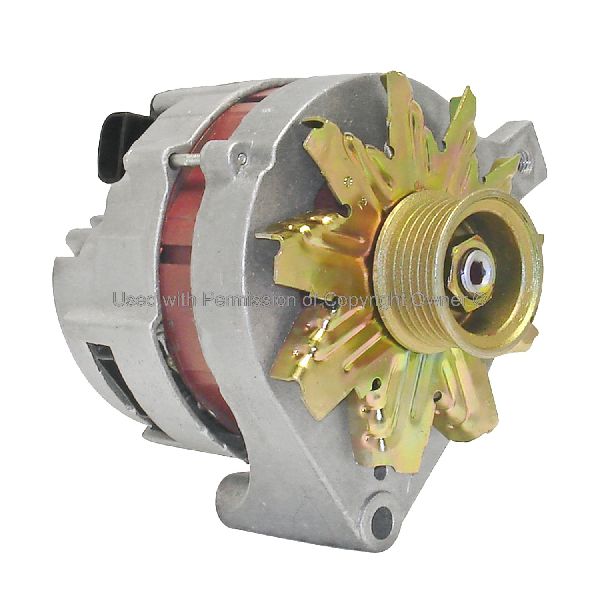
When replacing the alternator on your first-gen Ranger, you have a critical choice to make that goes beyond just brand. Many of these trucks came with a Ford 2G series alternator, which has a well-known design flaw in its main power plug that can cause it to overheat, melt, and potentially start a fire.
🎬 See how to safely upgrade from a 2G to 3G alternator.Important: The 2G Alternator Fire Hazard
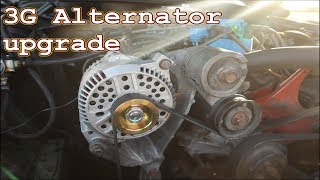
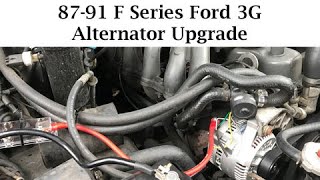
The Ford 2G alternator, used on many Fords in the '80s and early '90s, has a failure-prone electrical connector that can lead to a fire. Because of this risk, it is highly recommended to upgrade to a newer Ford 3G style alternator instead of replacing a 2G with another 2G. The 3G design is more reliable, more efficient, and often provides higher amperage output.
Aftermarket Brand Quality
For a vehicle of this age, new OEM parts are generally not an option. Aftermarket is the way to go, but quality varies. Here’s how the brands generally stack up based on reputation and performance.
- Premium Brands (Bosch, Denso): These companies are often original equipment manufacturers for many car brands and are known for high-quality, reliable parts that meet or exceed factory specs. Forum users frequently recommend Bosch, noting it was an OE supplier for Ford. Denso is also praised for its durability and performance.
- Reliable Aftermarket (Remy, ACDelco, WAI Global): These brands have a solid reputation in the aftermarket. Remy has a long history, and ACDelco is GM's parts division, but they make quality parts for many vehicles. They offer a good balance of price and reliability.
- Economy & Store Brands (BBB Industries, MPA, Proform): These brands offer a more budget-friendly price point. While they can be a good value, they may not have the same longevity or rigorous testing as premium brands. When choosing an economy option, pay close attention to the warranty.
Pro Tip: Consider a Higher Amperage Unit. The stock alternator on these Rangers was often around 75-95 amps. If you have added accessories like off-road lights, a powerful stereo, or a winch, upgrading to a 130-amp 3G alternator is a popular and smart choice to handle the extra electrical load.
Typical Replacement Costs
The cost of a new aftermarket alternator for a 1983-1992 Ford Ranger can vary based on the brand, amperage, and whether it's a new or remanufactured unit.
| Part Type | Estimated Cost |
|---|---|
| New Aftermarket Alternator | $38 - $315 |
| Shop Labor for Installation | $100 - $200 |
Frequently Asked Questions
Is it hard to replace the alternator on a 1983-1992 Ranger myself?
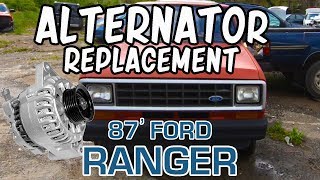
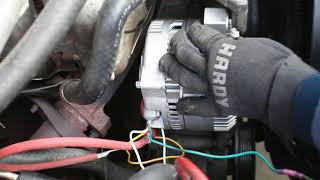
No, this is a great DIY job for most owners. The alternator is usually located on the top of the engine and is easy to access. The process involves disconnecting the battery, loosening the belt tensioner to remove the belt, unbolting the alternator, and swapping the electrical connections. The entire job can typically be done in 1-2 hours with basic hand tools.
🎬 Follow this step-by-step guide to install your new Ranger alternator.What's the difference between a 2G and 3G alternator?
The 2G was an earlier Ford design with an external fan and a problematic plug that could overheat. The 3G is a later, improved design with an internal fan and more robust electrical connections. It is more reliable, safer, and generally more powerful. Upgrading is a common and recommended modification for safety and performance.
Do I need a higher amperage alternator?
A stock amperage (75-95A) replacement is fine if your truck is completely stock. However, if you have added any electrical accessories like extra lights, a large sound system, a winch, or even a snowplow, you should upgrade to a higher output unit (130A is common) to prevent dimming lights and ensure the battery stays charged.
Is it my battery or my alternator?
A good test is to jump-start the truck. If it starts and runs, but dies as soon as you disconnect the jumper cables, the alternator is almost certainly the problem. If the truck starts and stays running after the jump, but won't start again on its own later, your battery may be bad and unable to hold a charge. Most auto parts stores can test both components for free to confirm the diagnosis.
🎬 Watch: A fast and simple way to test your alternator.Helpful Videos
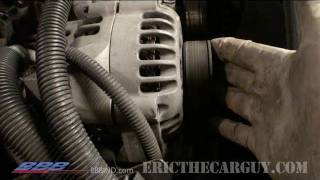
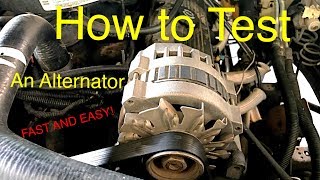
Technical Specifications
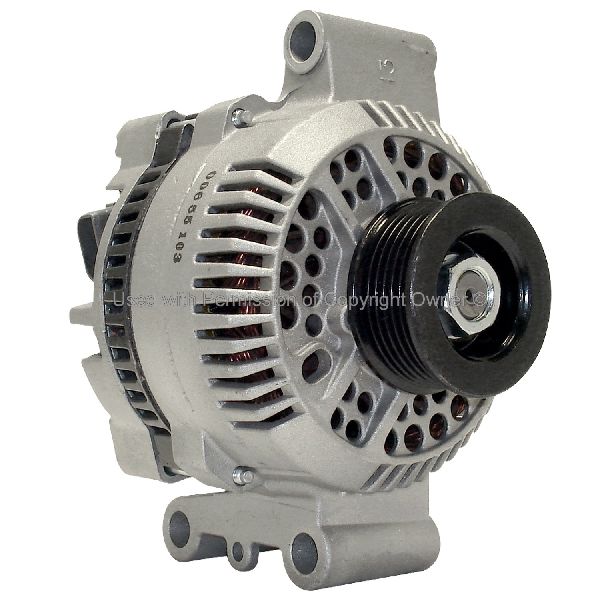
Key specifications for this application are the mounting style (2G vs. 3G), pulley type (V-belt or Serpentine, depending on year/engine), and amperage output (typically 75A to 130A). Due to the high number of variations and part supercessions over the years, it is critical to match the replacement to your specific engine and existing setup or ensure you have the correct pigtail adapter if performing a 3G upgrade.
We Have This Part in Stock
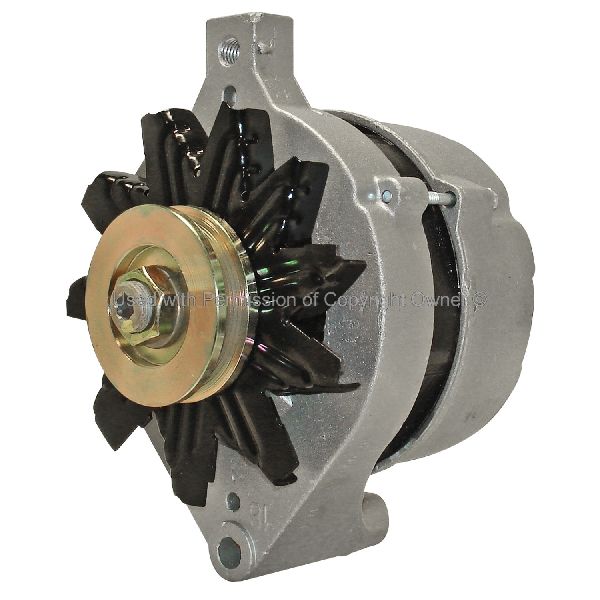
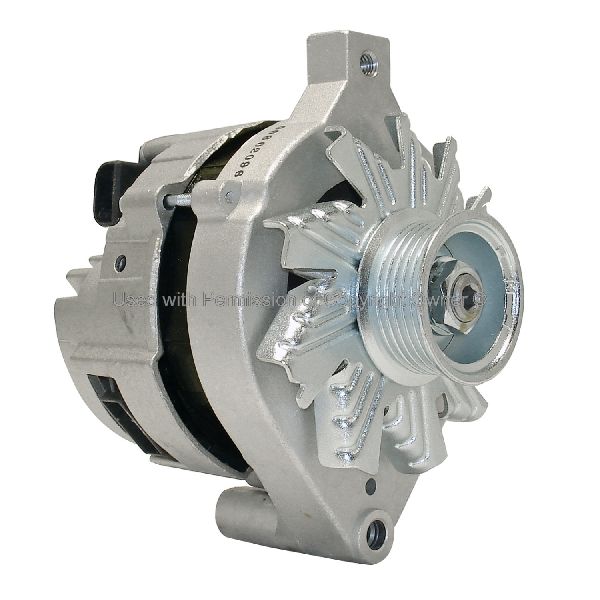
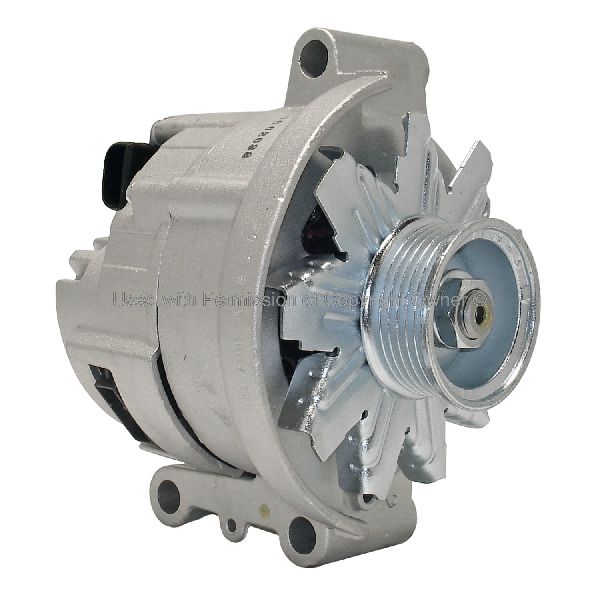
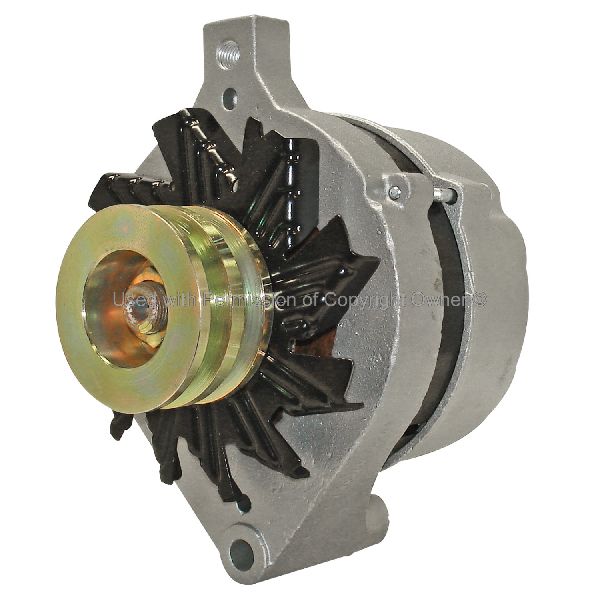

The information in this article is provided for general reference and educational purposes only. Vehicle specifications, procedures, and part compatibility can vary by production date, trim level, and region. Always consult your vehicle's factory service manual and verify part numbers before purchasing or performing repairs. Safety-critical components such as airbags, seat belts, and braking systems should be installed by a qualified professional.
- Ford Ranger: