

Suspension Stabilizer Bar Link Kit Guide for the 1983-1992 Ford Ranger
Eliminate front-end clunks and restore your classic Ranger's handling with the right stabilizer link kit.
- A clunking noise from the front end over bumps is the most common symptom of a bad stabilizer link.
- Always replace stabilizer links in pairs to maintain balanced handling.
- Aftermarket brands like Moog often offer upgraded designs that can be more durable than the original.
- Pre-soaking the old hardware with penetrating oil is crucial for an easier replacement on these older trucks.
Is Your Ranger Making a Clunking Noise?
A common issue on the first-generation Ford Ranger is a clunking or rattling sound from the front suspension, especially when driving over bumps or making slow turns. 🎬 Watch this breakdown of common Ranger suspension noises and causes. This noise is often the first sign that the stabilizer bar links have worn out. The original bushings degrade over time, and the joints develop play, causing the metal components to knock against each other.
Choosing the Right Aftermarket Stabilizer Link Kit
For a vehicle like the 1983-1992 Ranger, original equipment (OEM) parts from Ford may be difficult to find or discontinued. Aftermarket parts are readily available and often include design improvements over the original. When choosing a new kit, consider the following brand tiers:
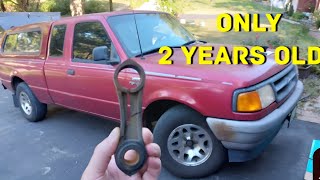
🎬 See what to look for when buying new sway bar links.| Brand Tier | Brands | Typical Price Range (per kit) | Description |
|---|---|---|---|
| Good (Standard Replacement) | Dorman, QuickSteer | $20 - $25 | These brands offer a direct replacement for the original part. They are a cost-effective solution to eliminate noise and restore stock handling. Quality is generally considered acceptable for daily driving, though some users in forums report shorter lifespans compared to premium brands. |
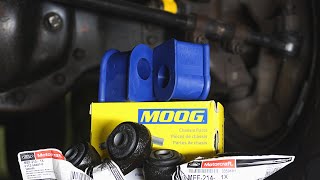
| Better (Premium/Upgraded) | Moog, Beck Arnley | $25 - $36 | Moog is frequently recommended in owner forums for its "Problem Solver" designs, which may include stronger materials, greaseable fittings for longer life, and improved bushings. Beck Arnley focuses on matching or exceeding OE quality. These are excellent choices for owners who want enhanced durability. |
Pro Tip: Installation Advice
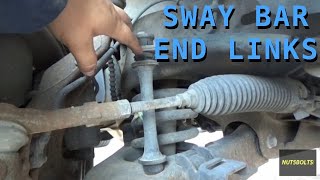
Replacing the stabilizer links is a straightforward job for a DIY mechanic. The biggest challenge on an older truck is often rust. Be sure to soak the old nuts and bolts with penetrating oil for several hours or even overnight before you begin. 🎬 Follow this step-by-step guide to replacing your sway bar links. A common mistake is over-torquing the new hardware, which can damage the bushings; always use a torque wrench and tighten to the manufacturer's specification, which is typically around 40 ft-lbs for this application.
Known Issues, Recalls, and Service Bulletins
Searches for official recalls from the National Highway Traffic Safety Administration (NHTSA) did not find any specific recalls for the stabilizer bar links on the 1983-1992 Ford Ranger. Likewise, no specific Technical Service Bulletins (TSBs) from Ford were found relating to this part for this year range. The primary known issue is the common wear-and-tear failure of the bushings and joints, as described by owners in various forums.
Frequently Asked Questions (FAQ)
Do I need to replace stabilizer links in pairs?
Yes, it is highly recommended. Suspension components wear at similar rates. Replacing both links at the same time ensures balanced handling and prevents you from having to do the same job on the other side a few months later.
Can I drive with a broken stabilizer link?
Technically, you can, but it is not recommended for safety. A broken link will cause a significant increase in body roll during turns and evasive maneuvers, making the vehicle feel unstable and less predictable. It's best to replace a broken link as soon as possible.
What tools are needed to replace the stabilizer links?
The job typically requires basic hand tools, including a socket set (often 18mm), wrenches, a torque wrench, and a jack with jack stands. A pry bar can be helpful for aligning the new link, and penetrating oil is essential for dealing with rusted bolts.
What's the difference between rubber and polyurethane bushings?
Original links often use rubber bushings, which provide a softer ride. Some aftermarket kits, like those from Nolathane or upgraded Moog versions, use polyurethane bushings. Polyurethane is firmer and more durable, offering a slight improvement in handling response, but can sometimes transmit more road vibration.
Helpful Videos
Technical Specifications
OEM Part Numbers: F2TZ-5K483-A F2TZ-5K483-B
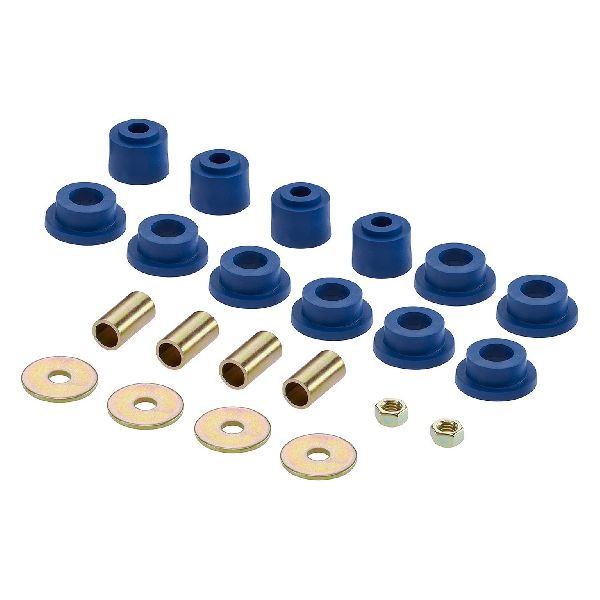
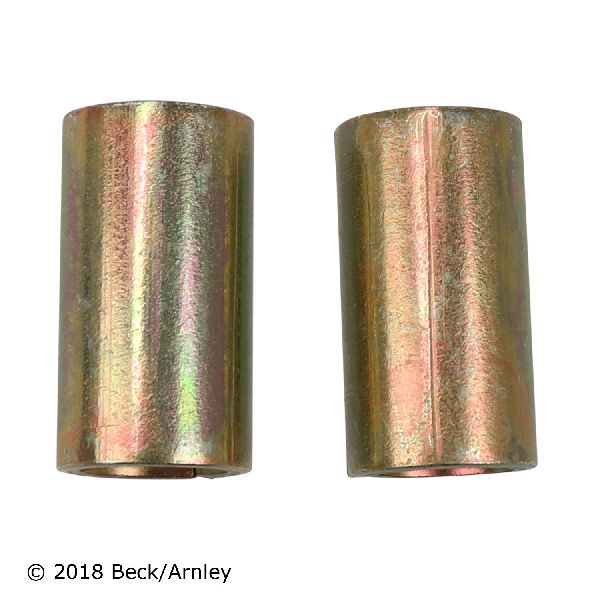
The kit typically includes one link, bushings, washers, a sleeve, and nuts. Two kits are required per vehicle. The design is a simple bolt-through style with rubber or polyurethane bushings.
We Have This Part in Stock


The information in this article is provided for general reference and educational purposes only. Vehicle specifications, procedures, and part compatibility can vary by production date, trim level, and region. Always consult your vehicle's factory service manual and verify part numbers before purchasing or performing repairs. Safety-critical components such as airbags, seat belts, and braking systems should be installed by a qualified professional.
- Ford Ranger: