

GMC P3500 Oxygen Sensor Guide: 1983-1992 Models
Fix poor fuel economy and rough idling on your P3500 by understanding and choosing the right oxygen sensor.
- Your P3500 requires a specific single-wire, unheated oxygen sensor for proper function.
- Symptoms of failure include poor gas mileage, rough idle, and a Check Engine Light with codes 13 or 44.
- For best results and longevity, choose a premium aftermarket brand like NGK (NTK) or Denso.
- Replacement can be difficult due to rust; use penetrating oil and a special O2 sensor socket.
Symptoms of a Failing Oxygen Sensor
When the O2 sensor in your P3500 starts to wear out, it sends bad information to the engine's computer. This can cause several noticeable issues. Because the computer can no longer correctly adjust the fuel mixture, you will likely see a significant drop in gas mileage. Other common signs include a rough or surging idle, engine hesitation, and misfires. You might also smell a harsh, rotten-egg odor from the exhaust, which is a sign of unburned fuel. If the problem is ignored, a bad oxygen sensor can lead to expensive damage to your catalytic converter.
Check Engine Light and OBD-I Codes
A bad O2 sensor will almost always turn on the "Service Engine Soon" or "Check Engine" light. Since these trucks are pre-OBDII, you can't use a modern scanner. Instead, you can retrieve codes by jumping the 'A' and 'B' terminals on the diagnostic link connector under the dash. Common codes for a bad oxygen sensor on this truck are Code 13 (Oxygen Sensor Circuit Open) and Code 44 (Lean Exhaust Indicated).
Choosing the Right Aftermarket Oxygen Sensor
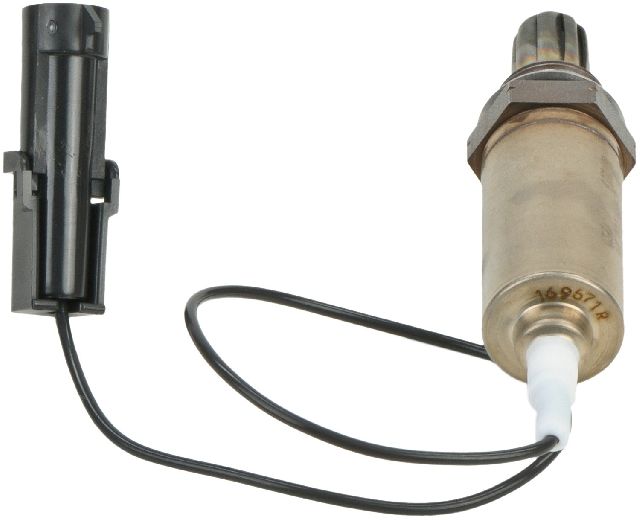
For your 1983-1992 P3500, you need a single-wire, unheated oxygen sensor. These are simple and effective for your truck's original system. While several brands are available, they generally fall into three quality tiers.
Premium Brands ($50 - $87)
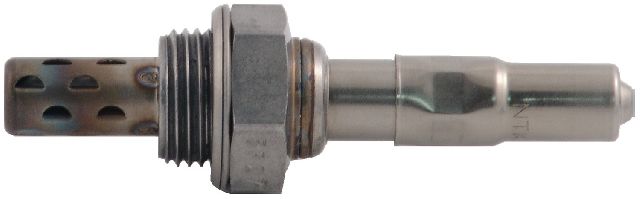
NGK (NTK) and Denso: These brands are widely considered the gold standard for aftermarket sensors and are often the original equipment manufacturer for many car companies. Forum discussions consistently recommend NGK (sold under their sensor brand NTK) and Denso for their reliability and performance, noting that they often match or exceed the quality of the original GM part. Choosing one of these brands is the safest bet for long-term reliability.
Mid-Grade Brands ($35 - $60)
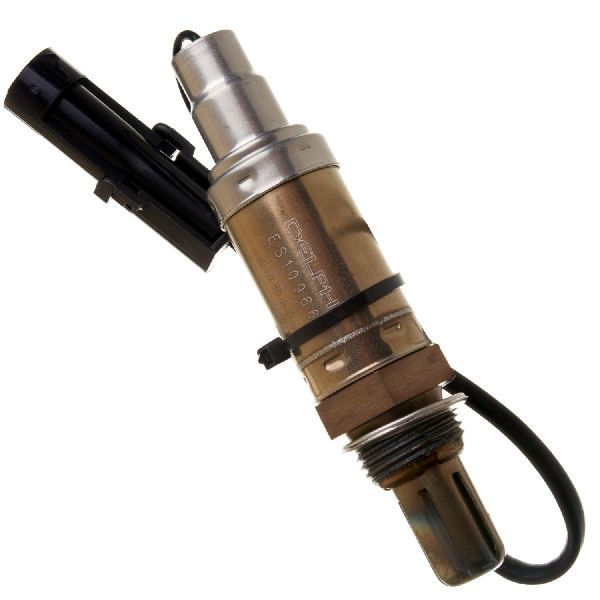
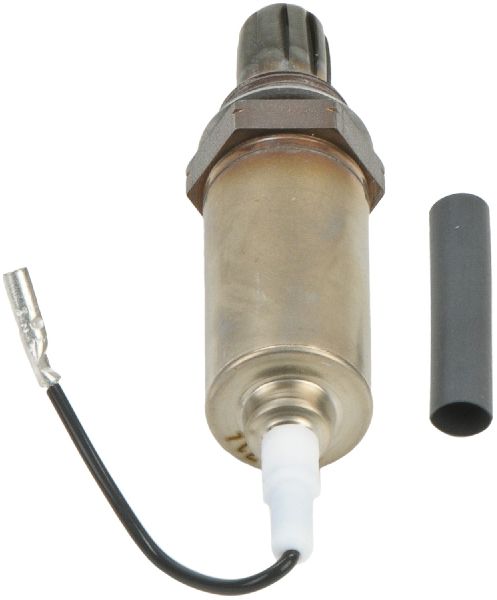
Bosch and Delphi: Bosch is a huge name in auto parts, but their aftermarket oxygen sensors have mixed reviews for American vehicles. Some users report shorter lifespans compared to NGK or Denso. Delphi was once part of GM but has since changed ownership; their quality is generally considered good but sometimes questioned by long-time mechanics. These brands can be a good value but may not have the same proven track record as the premium options for your specific truck.
Economy Brands ($28 - $40)
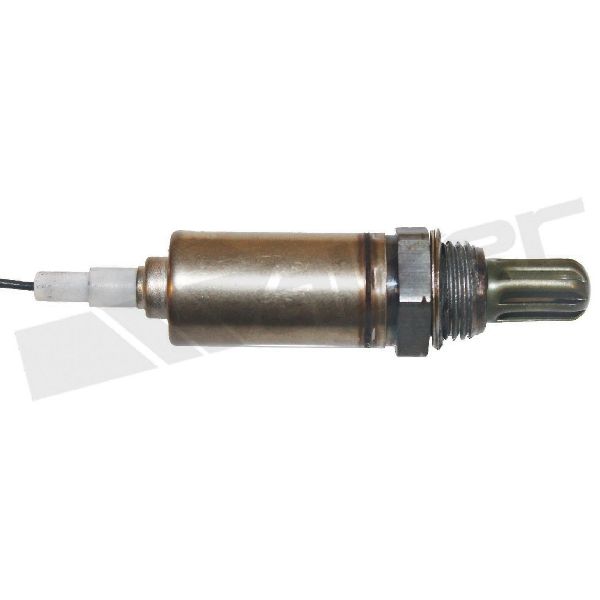
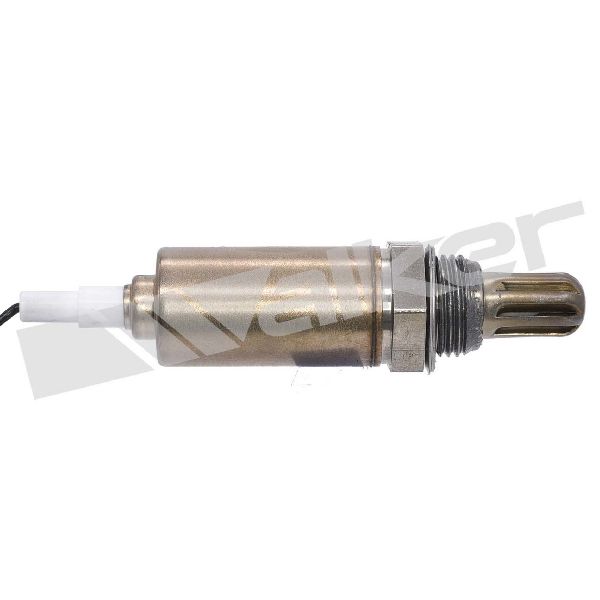
Walker Products and DriveWire: These brands offer a budget-friendly solution. They are designed to meet original specifications and can get your truck running properly. While they may not have the same reputation for longevity as premium brands, they are a viable option if cost is your primary concern.
Cost to Replace a GMC P3500 Oxygen Sensor
| Part Type | Part Cost | Shop Labor Cost | Total Estimated Cost |
|---|---|---|---|
| New Aftermarket | $28.13 - $87.03 | $75 - $150 | $103 - $237 |
| New OEM (ACDelco) | $70 - $130 | $75 - $150 | $145 - $280 |
Pro Tip: The biggest challenge in replacing this sensor is rust. The old sensor can get seized in the exhaust manifold. Before you start, spray the base of the old sensor with a good quality penetrating oil and let it soak. You will also need a special 7/8" (or 22mm) oxygen sensor socket, which has a slot for the wire.
Frequently Asked Questions (FAQ)
How many oxygen sensors does my 1983-1992 P3500 have?
Your truck has only one oxygen sensor. It is an "upstream" sensor located in the exhaust system before the catalytic converter, usually in the driver's side exhaust manifold.
Can I clean my oxygen sensor instead of replacing it?
No, cleaning an oxygen sensor is not recommended. The sensing element becomes contaminated and worn out internally over time. A new sensor is the only reliable fix.
Do I need a heated or unheated sensor?
Your P3500 uses a simple, single-wire, unheated oxygen sensor from the factory. You should replace it with the same type. Attempting to wire in a 3-wire or 4-wire heated sensor is unnecessary and will not provide any benefit without significant modifications to your truck's wiring and computer system.
What happens if I don't replace a bad oxygen sensor?
Continuing to drive with a bad O2 sensor will cause persistently poor fuel economy and rough engine performance. Over time, the rich fuel mixture can overheat and destroy your catalytic converter, leading to a much more expensive repair.
Technical Specifications
Sensor Type: Unheated, Narrow-Band Wire Quantity: 1 Thread Size: M18x1.5 Wrench Size: 22mm (7/8")
We Have This Part in Stock

The information in this article is provided for general reference and educational purposes only. Vehicle specifications, procedures, and part compatibility can vary by production date, trim level, and region. Always consult your vehicle's factory service manual and verify part numbers before purchasing or performing repairs. Safety-critical components such as airbags, seat belts, and braking systems should be installed by a qualified professional.
- GMC P3500:
- 🛍️ Shop This Part
- Symptoms of a Failing Oxygen Sensor
- Check Engine Light and OBD-I Codes
- Choosing the Right Aftermarket Oxygen Sensor
- Premium Brands ($50 - $87)
- Mid-Grade Brands ($35 - $60)
- Economy Brands ($28 - $40)
- Cost to Replace a GMC P3500 Oxygen Sensor
- Frequently Asked Questions (FAQ)
- 🎟️ Get 5% Off