

Isuzu Impulse Engine Coolant Temperature Sensor Guide (1983-1992)
Solve common running issues in your classic 1983-1992 Isuzu Impulse by understanding this small but critical engine sensor.
- The Isuzu Impulse likely has two sensors: a one-wire sender for the dash gauge and a two-wire sensor for the engine computer; identify which you need.
- Symptoms of a bad ECU sensor include poor MPG, black smoke, and rough idle.
- Replacement is an easy DIY job that can be done in under an hour with basic tools.
- For a vintage vehicle like the Impulse, any of the available new aftermarket brands will be a suitable replacement for a failed original part.
Is Your Impulse Running Rough? It Could Be the Coolant Temp Sensor.
If your 1983-1992 Isuzu Impulse is experiencing issues like bad gas mileage, black exhaust smoke, or a rough idle, a faulty Engine Coolant Temperature (ECT) sensor is a common and often overlooked culprit. This sensor tells the engine's brain how hot the coolant is, which is critical for performance. This article will help you understand the symptoms of a bad sensor, choose the right aftermarket replacement, and know what to expect during the repair.
Gauge Sender vs. ECU Sensor: A Critical Difference
Most 1983-1992 Isuzu Impulses have two separate temperature units. It is crucial to identify which one you need to replace:
- Engine Coolant Temperature (ECT) Sensor: This sensor has two wires and sends information to the engine control unit (ECU) to control engine performance. A failure here affects how the car runs.
- Temperature Gauge Sender: This is usually a one-wire unit that only operates the temperature gauge on your dashboard. A failure here means your gauge will be inaccurate, but it won't affect engine performance.
This guide focuses on the ECT sensor for the ECU, which is the one that causes running problems.
Symptoms of a Failing ECT Sensor on the Isuzu Impulse
When the ECT sensor fails, it typically sends a false, cold signal to the engine computer. The computer then enriches the fuel mixture, thinking the engine is still warming up. This leads to several noticeable problems:
- Poor Fuel Economy: The engine burns more fuel than necessary because the computer thinks it's constantly cold.
- Black Smoke from Exhaust: This is a direct result of the overly rich fuel mixture. Unburned fuel is expelled through the exhaust.
- Rough Idle or Stalling: The incorrect fuel-to-air ratio can make the engine run unevenly, especially when it should be at a stable idle.
- Check Engine Light: On later models equipped with a diagnostic system, a faulty sensor can trigger a check engine light. 🎬 See how to test your ECT sensor with a multimeter
- Hard Starting When Warm: The engine can be difficult to start when it's already at operating temperature because the ECU is providing a cold-start fuel mixture.
- Engine Overheating: In some cases, a failed sensor may not trigger the electric cooling fans when needed, leading to overheating in traffic.
Choosing the Right Aftermarket ECT Sensor
Since original Isuzu parts for the Impulse are largely discontinued, the aftermarket is your primary source. For a simple sensor like the ECT, most available brands will perform reliably. The key is ensuring correct fitment for your specific year and engine.
Here’s a general breakdown of the brands available:
- Reputable Aftermarket (Good): Brands like NGK, Delphi, Beck Arnley, and Standard Ignition (SMP) have a long history of producing quality electronic components that meet or exceed original specifications. They are a solid choice for reliability.
- Standard Aftermarket (Better): Brands such as Four Seasons, Hella, and Holstein offer a good balance of price and quality. They are a dependable option for daily drivers and are often a significant improvement over a 30-year-old original part.
- Value-Oriented (Basic): Brands like Global Parts, True Tech, and URO Parts provide a budget-friendly solution. While they may not have the same brand recognition, a new sensor is always better than a faulty one.
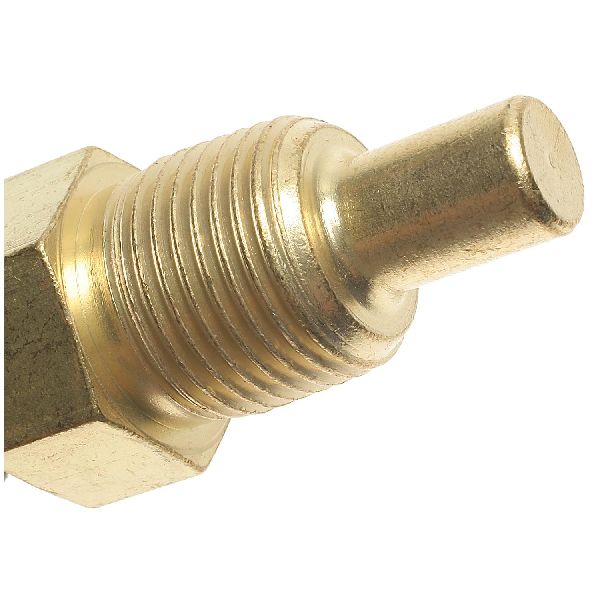
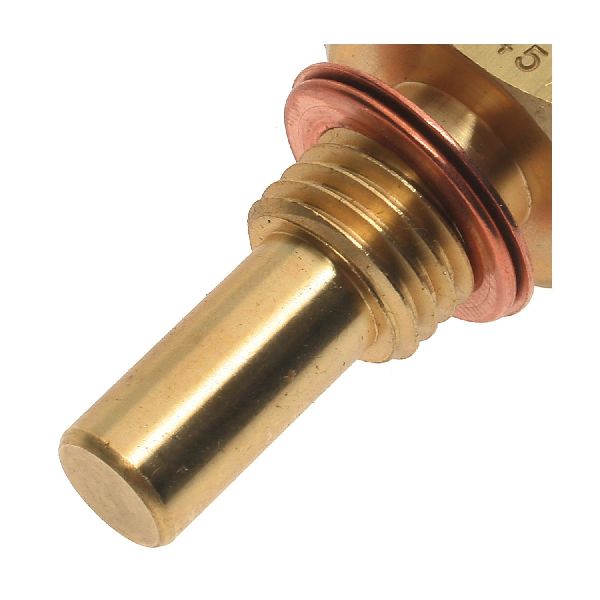
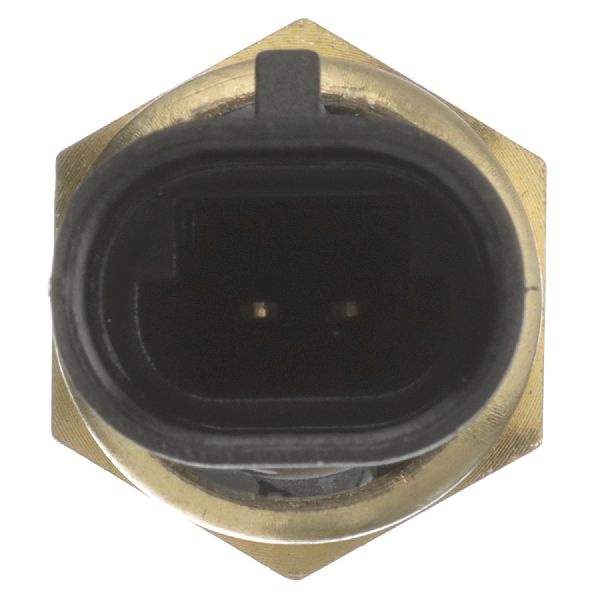
Pro Tip: Before ordering, visually inspect your old sensor's electrical connector and compare it to the product photos. Connectors can vary between model years and engine types (e.g., 2.0L, 2.3L, or the later 1.6L DOHC). This is the most common ordering mistake.
Cost of Replacing an Isuzu Impulse ECT Sensor
| Part Type | Estimated Cost |
|---|---|
| New Aftermarket Part | $10 - $38 |
| Shop Labor | $50 - $100 |
| Total Estimated Cost (DIY) | $10 - $38 |
| Total Estimated Cost (Shop) | $60 - $138 |
Frequently Asked Questions
Where is the ECT sensor located on my Isuzu Impulse?
While specific diagrams for the Impulse are rare, the ECT sensor is typically screwed into the engine block, cylinder head, or intake manifold near the thermostat housing, where it can accurately measure coolant temperature. On some Isuzu engines of this era, it is found on the intake manifold. 🎬 Watch: Helpful tricks for finding and replacing Isuzu sensors Follow the upper radiator hose to the engine to locate the thermostat housing, and the sensor should be nearby.
Is replacing the ECT sensor a DIY job?
Yes, for most home mechanics this is a very straightforward job. It requires basic hand tools, draining a small amount of coolant, and then simply unscrewing the old sensor and installing the new one. The difficulty is low and it can usually be done in under an hour.
🎬 Watch this walkthrough of a coolant temperature sensor replacementWill a new ECT sensor fix my bad gas mileage?
If the old sensor was faulty and sending a constant 'cold' signal, then yes, a new sensor can definitely improve your fuel economy by allowing the ECU to provide the correct fuel mixture.
Do I need to drain all the coolant to replace the sensor?
No, you do not need to drain all the coolant. You only need to drain enough from the radiator's petcock so that the coolant level is below the sensor's location. This prevents a mess when you unscrew the old sensor. Have the new sensor ready to install quickly to minimize coolant loss.
Helpful Videos



Technical Specifications
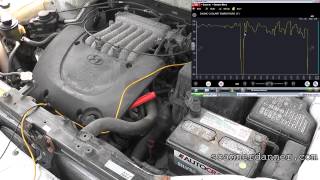
The Engine Coolant Temperature sensor is a thermistor, meaning its electrical resistance changes with temperature. The ECU sends a reference voltage to the sensor and reads the return signal to determine coolant temperature. Most sensors for the ECU have a two-pin connector, while sensors for the gauge often have a single pin.
We Have This Part in Stock



The information in this article is provided for general reference and educational purposes only. Vehicle specifications, procedures, and part compatibility can vary by production date, trim level, and region. Always consult your vehicle's factory service manual and verify part numbers before purchasing or performing repairs. Safety-critical components such as airbags, seat belts, and braking systems should be installed by a qualified professional.
- Isuzu Impulse:
- 🎬 Helpful Videos
- 🛍️ Shop This Part
- Is Your Impulse Running Rough? It Could Be the Coolant Temp Sensor.
- Gauge Sender vs. ECU Sensor: A Critical Difference
- Symptoms of a Failing ECT Sensor on the Isuzu Impulse
- Choosing the Right Aftermarket ECT Sensor
- Cost of Replacing an Isuzu Impulse ECT Sensor
- Frequently Asked Questions
- 🎟️ Get 5% Off