

Isuzu Impulse Oxygen Sensor Guide for the 1983-1992 Model Years
Everything you need to know before replacing the oxygen sensor on your first or second generation Impulse.
- For best results, choose an OEM-quality aftermarket brand like Denso or NGK/NTK.
- Your Impulse uses a single, upstream oxygen sensor, which is a simple and inexpensive part to replace.
- Before replacing the sensor, inspect the wiring and ground connection, as these can become brittle and cause issues on older cars.
- A failing O2 sensor will cause poor gas mileage, rough running, and will prevent your car from passing an emissions test.
Is Your Impulse Oxygen Sensor Failing?
A bad oxygen sensor can cause noticeable problems with your engine's performance. Because it plays a key role in managing the fuel mixture, a faulty sensor often sends incorrect information to the engine's computer. This can make the engine run too rich (too much fuel) or too lean (not enough fuel).
Common signs of a failing O2 sensor include:
- Check Engine Light: This is the most common symptom. The engine computer will trigger a light if it gets an abnormal signal from the O2 sensor.
- Poor Fuel Economy: If the sensor causes the engine to run rich, you will use more fuel than necessary.
- Rough Idle or Engine Misfire: An incorrect air-fuel mixture can disrupt combustion, leading to a shaky idle, hesitation, or misfires.
- Failed Emissions Test: An O2 sensor that isn't working correctly will almost certainly cause your car to fail an emissions inspection.
- "Rotten Egg" Smell: A rich-running condition can overheat the catalytic converter, producing a sulfur-like smell from the exhaust.
A Note on Engine Codes
Your 1983-1992 Impulse was built before the standardized OBD-II system. While a Check Engine Light points to a problem, the codes are not the universal "P-codes" used on modern cars. You will need a specific scan tool or method to read the manufacturer-specific codes for your vehicle's model year.
Choosing the Right Aftermarket Oxygen Sensor
Since original Isuzu parts for the Impulse are scarce, the aftermarket is your best option. Quality varies between brands, but several reputable manufacturers make reliable sensors for your car. For a critical Japanese-engineered component like this, sticking with a proven brand is recommended.
Tier 1: OEM-Quality Brands
These brands are often the original equipment manufacturers for Japanese automakers and are known for their high quality and precise fit.
- Denso: As one of the largest OE suppliers in the world, Denso is a top choice. Their aftermarket sensors are made to the same specifications as the original parts. Many owners trust Denso for Japanese vehicles.
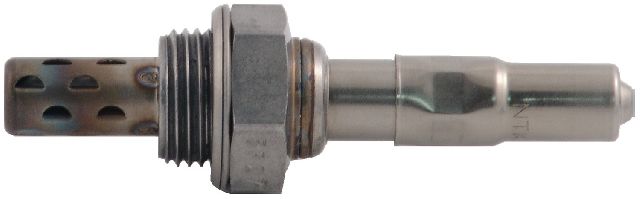
- NGK / NTK: NGK, which markets sensors under the NTK brand, is another premier OE supplier for Japanese cars. They are highly regarded for quality and longevity.
Tier 2: Reputable Aftermarket Brands
These brands offer a good balance of quality and value.
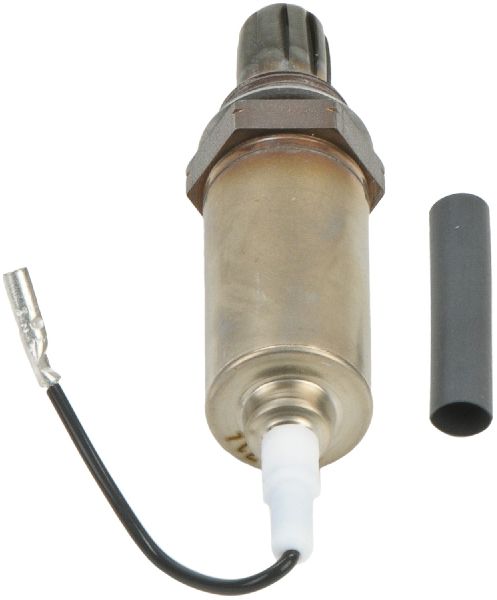
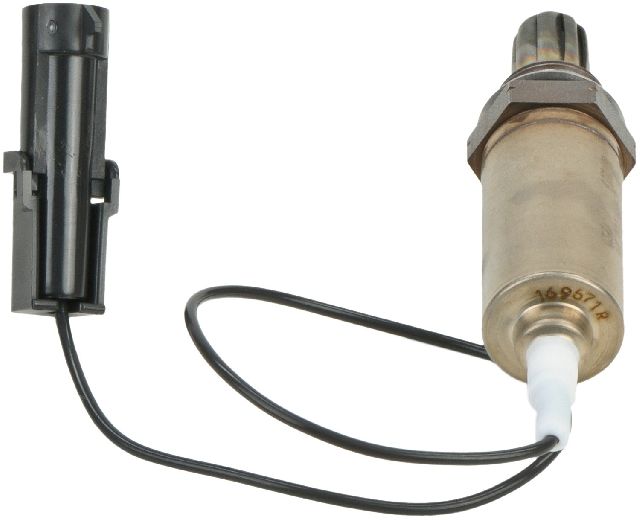
- Bosch: Bosch invented the modern oxygen sensor and is a massive OEM supplier. However, some forum users report mixed results with their aftermarket sensors on Japanese cars compared to their OEM-spec parts.
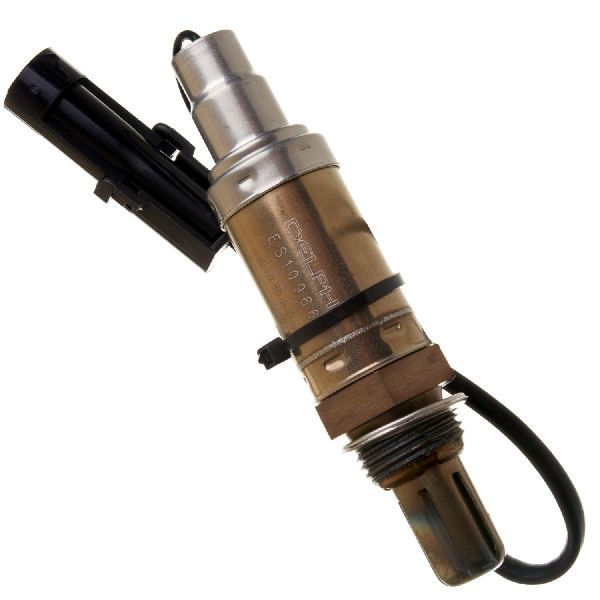
- Delphi: A well-known aftermarket brand with a wide range of components.
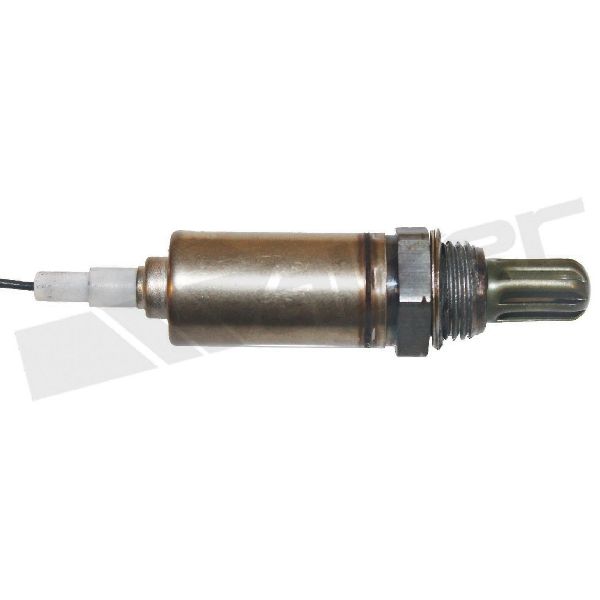
- Walker Products: A major manufacturer focused on fuel and emission control parts.
Tier 3: Budget-Friendly Brands
These brands focus on providing a low-cost alternative.
- DriveWire: Known for budget-friendly replacement parts that meet basic requirements.
Pro Tip: Check Your Wiring First!
On an older car like the Impulse, wiring can become brittle and connections can get corroded. One owner on an Isuzu forum traced their running issue to a bad ground contact for the O2 sensor on the exhaust manifold. Another noted that the wiring harness connector near the cam cover can degrade from heat. Before replacing the sensor, inspect the single wire and its connector for any damage, and ensure the sensor has a clean, tight ground connection. This could save you the cost of a new part.
Oxygen Sensor Replacement Cost for 1983-1992 Isuzu Impulse
The cost is relatively low for this part. The main variables are the brand you choose and whether you install it yourself.
| Item | Estimated Cost |
|---|---|
| New Aftermarket Oxygen Sensor | $28 - $93 |
| Shop Labor | $50 - $100 |
| Total Estimated Cost | $78 - $193 |
Frequently Asked Questions
Is the oxygen sensor hard to replace on an Impulse?
No, it is generally an easy job. The sensor is usually accessible on the exhaust manifold. The main difficulty can be removing the old sensor if it is rusted in place. Using a special oxygen sensor socket and some penetrating oil can make the job much easier.
How many oxygen sensors does my Impulse have?
Your 1983-1992 Impulse has only one oxygen sensor. It is an "upstream" sensor located in the exhaust manifold before the catalytic converter.
Should I buy a universal sensor or a direct-fit sensor?
Always choose a direct-fit sensor. These come with the correct plug for your car's wiring harness and require no splicing. Universal sensors require you to cut and splice wires, which can create a point of failure. Given the low cost of direct-fit sensors for the Impulse, there is no reason to use a universal one.
Do I need to put anti-seize on the new sensor?
Yes. Most new oxygen sensors come with a small packet of anti-seize compound already applied to the threads or included in the box. This special, high-temperature compound prevents the sensor from getting stuck in the future, making the next replacement easier.
Technical Specifications
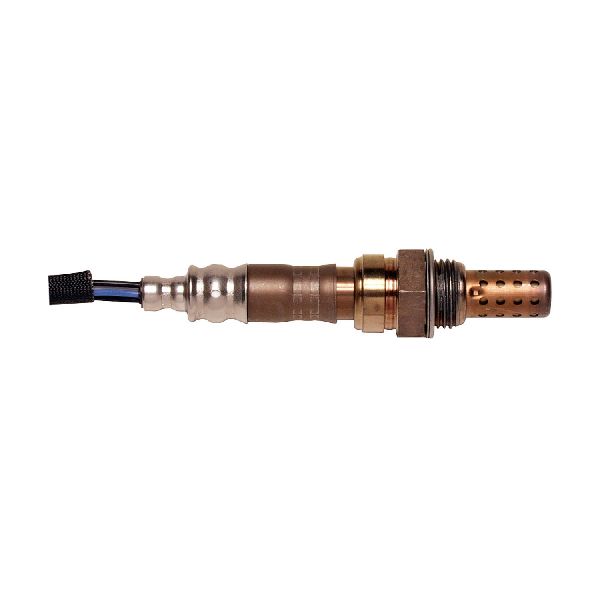
The 1983-1989 Isuzu Impulse typically uses a single-wire, non-heated, upstream oxygen sensor. Part numbers vary by brand: - Denso: 234-1001 - Bosch: 11027 - NGK: 21002 - Walker: 350-31027 - Delphi: ES10966
We Have This Part in Stock

The information in this article is provided for general reference and educational purposes only. Vehicle specifications, procedures, and part compatibility can vary by production date, trim level, and region. Always consult your vehicle's factory service manual and verify part numbers before purchasing or performing repairs. Safety-critical components such as airbags, seat belts, and braking systems should be installed by a qualified professional.
- Isuzu Impulse:
- 🛍️ Shop This Part
- Is Your Impulse Oxygen Sensor Failing?
- A Note on Engine Codes
- Choosing the Right Aftermarket Oxygen Sensor
- Tier 1: OEM-Quality Brands
- Tier 2: Reputable Aftermarket Brands
- Tier 3: Budget-Friendly Brands
- Pro Tip: Check Your Wiring First!
- Oxygen Sensor Replacement Cost for 1983-1992 Isuzu Impulse
- Frequently Asked Questions
- 🎟️ Get 5% Off