

1983-1992 Mazda 626 Oxygen Sensor: A Complete Replacement Guide
If your classic Mazda 626 is running rough or failing emissions, a bad oxygen sensor could be the culprit.
- A bad oxygen sensor will cause poor gas mileage, rough idling, and a check engine light.
- For this vehicle, high-quality aftermarket brands like NGK/NTK or Denso offer the best value and reliability.
- Replacement is a simple DIY job, but using a special O2 sensor socket and penetrating oil is highly recommended.
- Always choose a 'direct-fit' sensor to avoid wiring complications.
Is Your Mazda 626's Oxygen Sensor Failing?
On a vehicle like the 1983-1992 Mazda 626, the oxygen sensor is a simple but vital component. Over time, exposure to extreme heat and exhaust gases causes it to wear out. When it fails, your car's computer receives bad information, which can make your engine run poorly. Ignoring a failing oxygen sensor can lead to reduced fuel economy and, in some cases, damage to other expensive parts like the catalytic converter.
Symptoms of a Bad Oxygen Sensor
A failing oxygen sensor will usually make itself known through several noticeable symptoms. You might experience more than one of these at the same time.
- Check Engine Light: This is the most common sign. A failing sensor will trigger a trouble code in your car's computer, illuminating the check engine light on your dashboard.
- Poor Fuel Economy: One of the first things many drivers notice is a sudden drop in gas mileage. A bad sensor often causes the engine to run rich, meaning it uses more fuel than necessary.
- Rough Idle and Misfires: Your engine may idle erratically, shake, or even misfire. This happens because the incorrect air/fuel mixture disrupts the smooth operation of the engine.
- Failed Emissions Test: An engine running rich due to a bad O2 sensor will release more pollutants, causing an automatic failure of a state emissions inspection.
- Rotten Egg Smell: In some cases, an extremely rich fuel mixture can create a sulfur-like, or "rotten egg," smell from the exhaust.
Choosing the Right Aftermarket Oxygen Sensor
For a vehicle from this era, you don't necessarily need to buy an expensive OEM (Original Equipment Manufacturer) part from a dealer. High-quality aftermarket brands offer reliable performance that meets or exceeds original specifications, often at a much lower price. The key is to choose a reputable brand.
Aftermarket Brand Quality Tiers
| Tier | Brands | Quality & Notes |
|---|---|---|
| Top Tier (OEM Suppliers) | NGK/NTK, Denso | These brands are often the original suppliers to Japanese automakers like Mazda. They are known for their reliability, precision, and long life. Choosing NGK or Denso is the closest you can get to original quality. |
| Reliable Mid-Tier | Bosch, Delphi | Bosch is a massive, well-regarded parts manufacturer, though some forum users suggest their sensors perform best on European cars. Delphi is another major OEM supplier with a strong reputation. Both are solid choices. |
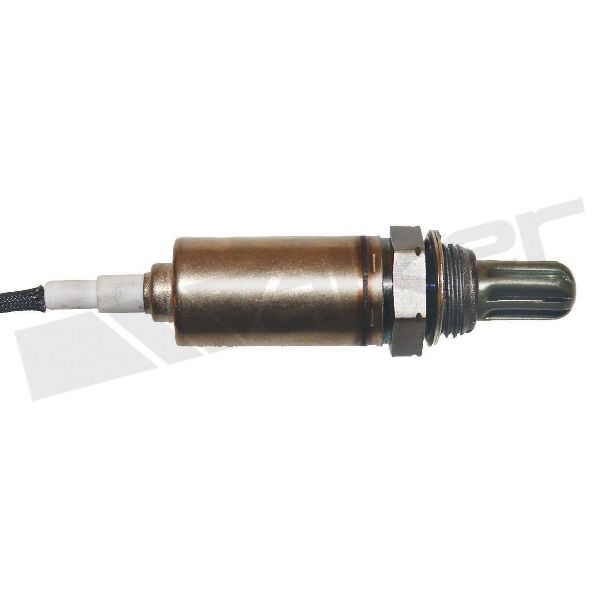
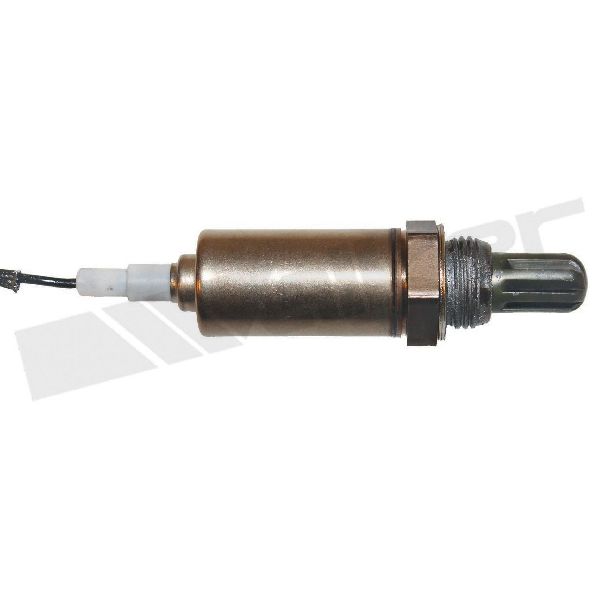
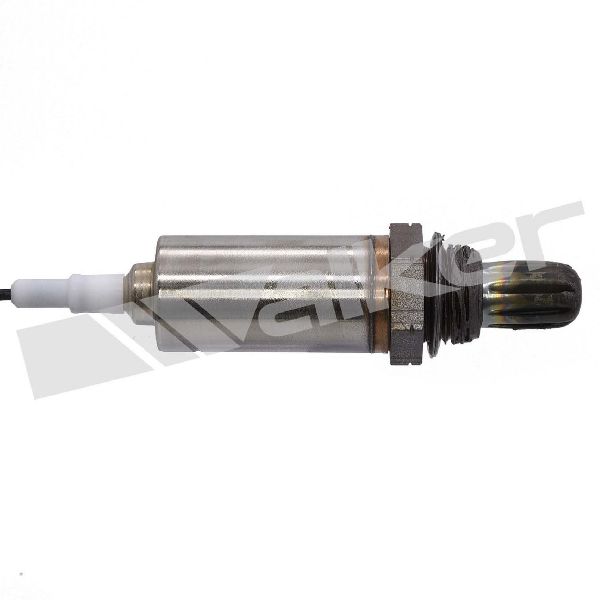
| Economy Tier | Walker Products, Spectra | These brands provide a functional, budget-friendly option. While they may not have the same longevity or exact precision as top-tier brands, they are a viable choice for a cost-effective repair. Some users report mixed experiences with longevity. |
Pro Tip: Direct-Fit vs. Universal Sensors
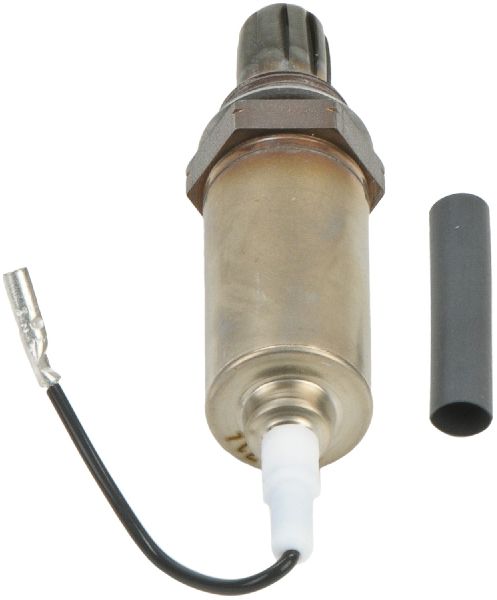
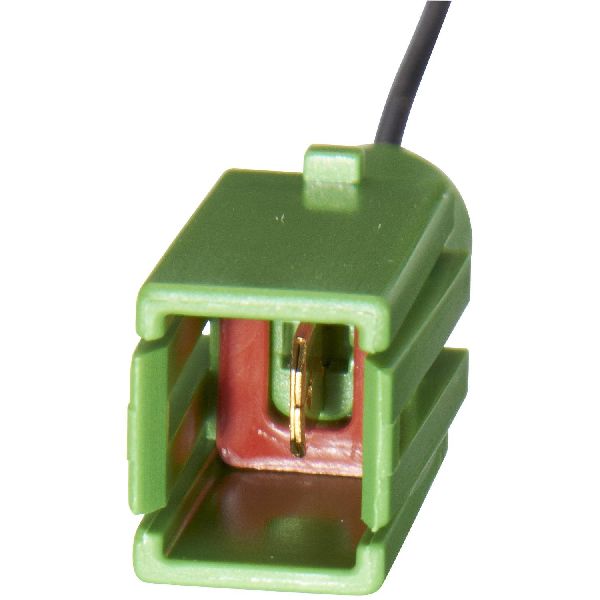
Always choose a "direct-fit" sensor for your Mazda 626. These come with the correct wiring harness and connector for a simple plug-and-play installation. A "universal" sensor requires you to cut your old connector and splice it onto the new sensor's wires. This can lead to connection problems and sensor failure if not done perfectly.
Frequently Asked Questions (FAQ)
Where is the oxygen sensor located on my 1983-1992 Mazda 626?
The oxygen sensor is screwed into the exhaust system. On these models, you will typically find one sensor located in the exhaust manifold or in the exhaust pipe close to the engine, before the catalytic converter.
Can I replace the oxygen sensor myself?
Yes, this is a very DIY-friendly job for most home mechanics. It requires basic tools, though a special oxygen sensor socket is highly recommended. The old sensor can be difficult to remove due to rust and heat cycles, so soaking it with penetrating oil beforehand is a good idea.
Do I need to apply anti-seize to the new sensor?
Most new, high-quality oxygen sensors come with anti-seize compound already applied to the threads. If not, you should apply a small amount of high-temperature anti-seize to the threads, being very careful not to get any on the sensor tip itself. Contaminating the tip can ruin the new sensor.
Are there any recalls for the oxygen sensor on the 1983-1992 Mazda 626?
No, searches of the National Highway Traffic Safety Administration (NHTSA) database show no recalls or specific Technical Service Bulletins (TSBs) related to the oxygen sensor for this vehicle range.
Technical Specifications
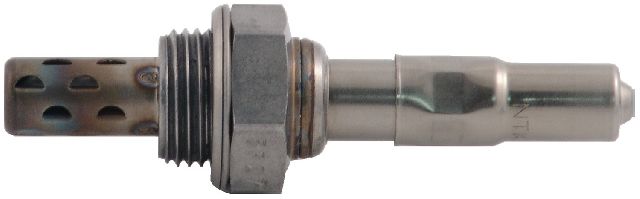
Most 1983-1992 Mazda 626 models use a single, unheated, one-wire or two-wire oxygen sensor located before the catalytic converter.
We Have This Part in Stock

The information in this article is provided for general reference and educational purposes only. Vehicle specifications, procedures, and part compatibility can vary by production date, trim level, and region. Always consult your vehicle's factory service manual and verify part numbers before purchasing or performing repairs. Safety-critical components such as airbags, seat belts, and braking systems should be installed by a qualified professional.
- Mazda 626: