

Dodge Ram 50 Oxygen Sensor: A Guide for 1983-1993 Models
Fix poor gas mileage and rough idling by choosing the right replacement oxygen sensor for your truck.
- Verify the number of wires on your old sensor before ordering; 1, 2, and 4-wire types were used.
- Choose Denso or NGK (NTK) for the best reliability, as they are often the OEM supplier for these Mitsubishi-built trucks.
- Replacing a bad sensor promptly can prevent expensive damage to your catalytic converter.
- No recalls or TSBs are on file for the oxygen sensor for this specific vehicle and year range.
Is Your Ram 50's Oxygen Sensor Failing?
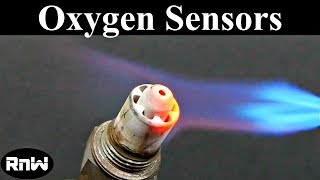
An oxygen sensor doesn't last forever and typically fails from age, contamination from engine oil, or carbon buildup. Since these trucks span a decade of changing technology, symptoms can vary. On later models, you might get a Check Engine Light, but on earlier trucks, you'll have to rely on noticing performance issues.
Key Symptoms of a Bad O2 Sensor:
🎬 Watch: 9 warning signs of a failing oxygen sensor.- Poor Fuel Economy: This is the most common sign. If you're filling up your tank more often than you used to, a bad O2 sensor is a likely culprit.
- Rough Idle or Stalling: The engine may shake, idle unevenly, or even stall when you're stopped at a light.
- Sluggish Performance: You might notice your truck feels slow, hesitates during acceleration, or just doesn't have the power it once did.
- Rotten Egg Smell: A strong smell of sulfur or gasoline from the exhaust means excess fuel is being burned, which can damage your catalytic converter over time.
Don't Ignore a Failing Sensor
While you can drive with a bad oxygen sensor, it's not a good idea. The engine will run on a default, rich fuel mixture. This wastes gas and can quickly overheat and destroy your catalytic converter—a much more expensive part to replace.
Choosing the Right Aftermarket Oxygen Sensor
Since your Dodge Ram 50 is a rebadged Mitsubishi Mighty Max, parts made for Japanese vehicles often provide the best performance. When shopping for a new sensor, you'll find direct-fit and universal options. A direct-fit sensor has the correct plug for your truck's wiring harness, making installation simple. A universal sensor requires you to cut the old plug off and splice it onto the new sensor's wires.
Pro Tip: Check Your Wires!
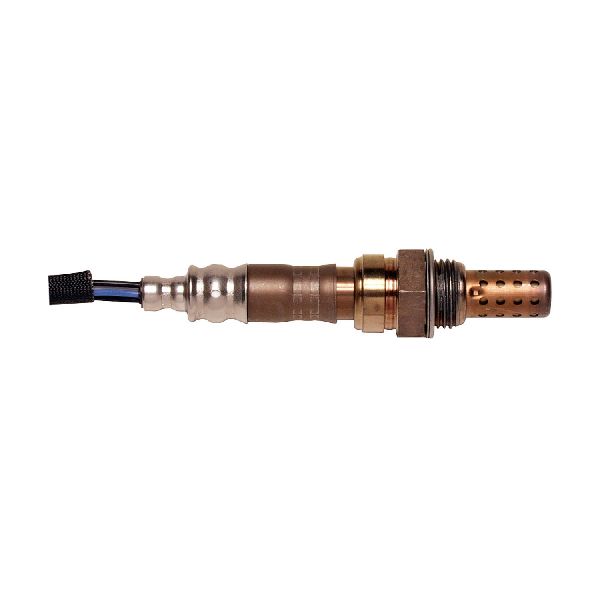
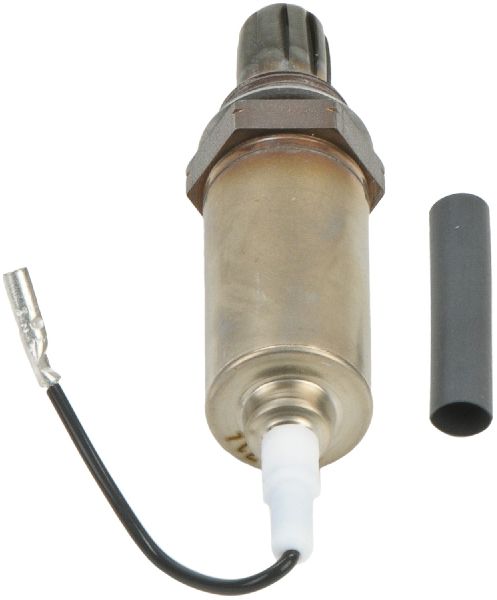
Before you buy, look at your old oxygen sensor to see how many wires it has. Over the 1983-1993 production run, these trucks used 1-wire, 2-wire, and 4-wire heated sensors. Ordering a sensor with the wrong wire count is a common mistake. An exact match is required for it to work correctly.
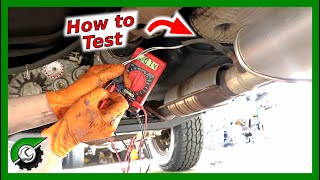
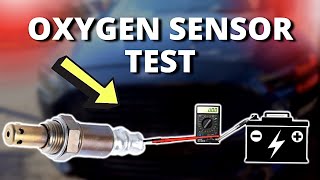
🎬 See our guide on testing sensors and identifying wire types.Aftermarket Brand Tiers for the Ram 50
- Top Tier (OEM Quality): Denso & NGK/NTK. Denso and NGK (under the NTK brand for sensors) are original equipment suppliers for many Japanese vehicles. Forum users consistently report the best results and longest life with these brands on Mitsubishi-built trucks. They are the most recommended choice for a reliable, long-term repair.
- Mid Tier: Bosch. Bosch is a massive sensor manufacturer that invented the automotive oxygen sensor. Their products are widely available and often more affordable. However, for Japanese applications, owner feedback is sometimes mixed, with some reporting success and others experiencing issues. It's a decent choice if a Denso or NGK part isn't available.
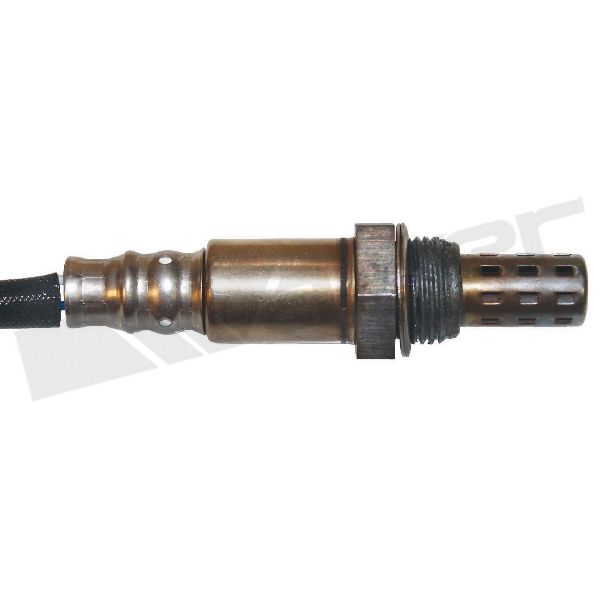
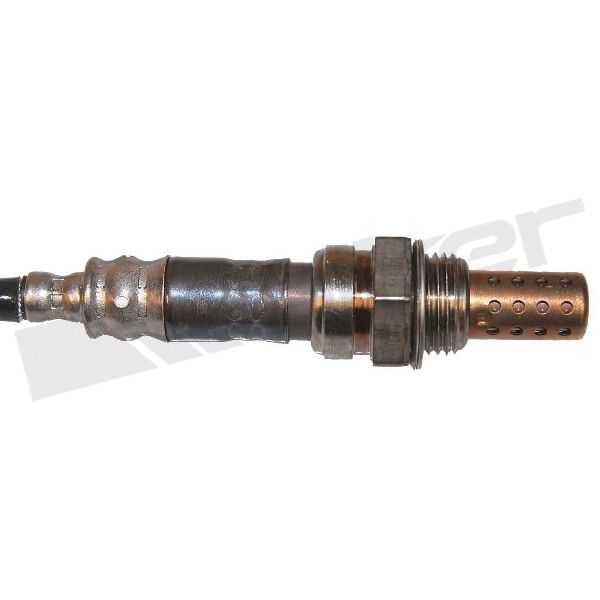
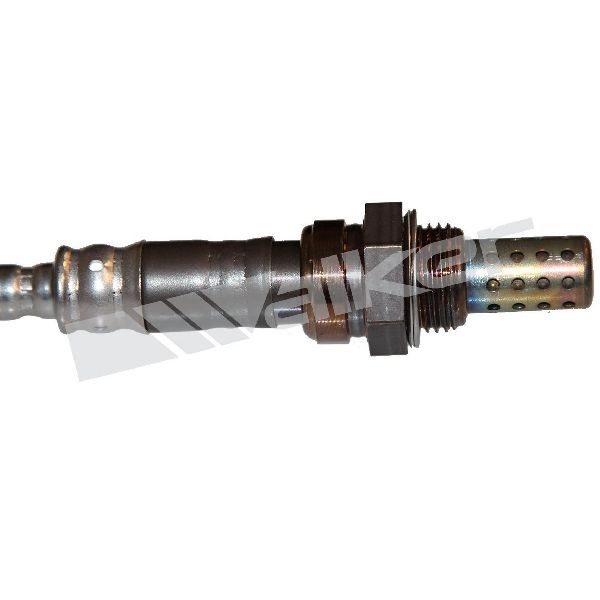
- Standard Tier: Delphi & Walker Products. These brands offer a cost-effective solution and are readily available. They can be a good option for a budget-conscious repair, but may not offer the same longevity as the top-tier brands.
Known Issues, Recalls, and Service Bulletins
Searches of the National Highway Traffic Safety Administration (NHTSA) database and other technical resources show no specific recalls or Technical Service Bulletins (TSBs) related to the oxygen sensor for the 1983-1993 Dodge Ram 50. Any issues you experience are likely due to the age and normal wear of the part.
| Part Type | Price Range | Notes |
|---|---|---|
| New Aftermarket | $39.57 - $102.52 | Price depends on brand and whether it's a 1, 2, or 4-wire sensor. |
| New OEM (Mopar/Mitsubishi) | $120 - $250+ | Often a repackaged Denso or NGK sensor at a higher price. May be difficult to find. |
| Shop Labor | $60 - $120 | Typically a quick job for a mechanic, taking 30-60 minutes. |
Frequently Asked Questions (FAQ)
Where is the oxygen sensor located on my Ram 50?
The oxygen sensor is always located in the exhaust system. You will find it screwed into the exhaust manifold (right where the exhaust leaves the engine) or further down in the exhaust pipe before the catalytic converter. Most Ram 50 models from this era have only one upstream sensor.
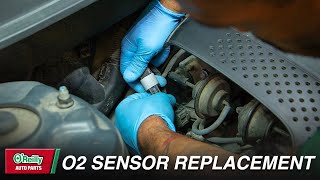
Can I replace the oxygen sensor myself? 🎬 Watch this step-by-step walkthrough for replacing your O2 sensor.
Yes, this is a very DIY-friendly job for most home mechanics. The main challenge is that the old sensor can be rusted tightly into the exhaust pipe. You will need a special O2 sensor socket (which has a slot for the wire), a ratchet with a breaker bar, and plenty of penetrating oil to soak the sensor beforehand.
What's the difference between an upstream and downstream sensor?
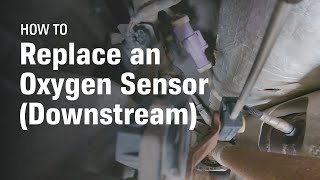
Upstream sensors (before the catalytic converter) measure the initial exhaust gas to control the air-fuel ratio. Downstream sensors (after the converter) monitor the converter's efficiency. Your 1983-1993 Ram 50 most likely only has one upstream oxygen sensor.
Do I need to apply anti-seize to the new sensor?
Yes. Most new oxygen sensors come with a small packet of anti-seize compound already applied to the threads or included in the box. This special, high-temperature lubricant prevents the sensor from getting stuck in the future. Be careful not to get any of it on the sensor's tip.
Helpful Videos
![Bad O2 Sensor Symptoms Downstream & Upstream [Oxygen Sensor Failure and Causes] How to fix & Replace](https://img.youtube.com/vi/b-xxdBlikSA/mqdefault.jpg)
Technical Specifications
Varies by year and engine. Can be a 1-wire unheated, 2-wire unheated, or 4-wire heated sensor. Location is upstream of the catalytic converter, typically in the exhaust manifold or downpipe.
We Have This Part in Stock


The information in this article is provided for general reference and educational purposes only. Vehicle specifications, procedures, and part compatibility can vary by production date, trim level, and region. Always consult your vehicle's factory service manual and verify part numbers before purchasing or performing repairs. Safety-critical components such as airbags, seat belts, and braking systems should be installed by a qualified professional.
- Dodge Ram 50:
- 🎬 Helpful Videos
- 🛍️ Shop This Part
- Is Your Ram 50's Oxygen Sensor Failing?
- Key Symptoms of a Bad O2 Sensor:
- Don't Ignore a Failing Sensor
- Choosing the Right Aftermarket Oxygen Sensor
- Pro Tip: Check Your Wires!
- Aftermarket Brand Tiers for the Ram 50
- Known Issues, Recalls, and Service Bulletins
- Frequently Asked Questions (FAQ)
- 🎟️ Get 5% Off