

A Ford Mustang Owner's Guide to the 1983-1993 Vehicle Speed Sensor
If your Fox Body has a jumpy speedometer, stalling issues, or failing cruise control, the Vehicle Speed Sensor is a likely suspect.
- Always inspect the plastic speedometer gear and the speedometer cable before replacing the sensor itself, as they are common failure points.
- A bad VSS on 1989-1993 Mustangs can cause stalling when slowing down, which is often mistaken for other engine issues.
- Not all 1983-1988 models came with a VSS from the factory; it was typically included only on cars with cruise control.
- For maximum reliability, OEM Motorcraft sensors are highly recommended by enthusiasts, though quality aftermarket options exist.
Is Your Fox Body's Speed Sensor Failing?

A bad Vehicle Speed Sensor (VSS) on a Fox Body Mustang can cause some very noticeable problems. Because the speedometer is mechanically driven off the VSS, a faulty sensor or its related parts can directly impact what you see on the dash. For later model fuel-injected cars, the problems can go beyond the dash and affect how the engine runs.
Top Failure Symptoms:
- Jumpy or Dead Speedometer: The most common symptom is a speedometer needle that bounces erratically or doesn't move at all. 🎬 See how to fix a bouncy Fox Body speedometer needle This can be caused by the sensor, the cable, or the plastic gear.
- Engine Stalling: On 1989-1993 Mustangs with mass air flow, the computer needs to know the vehicle's speed to properly adjust the idle when you come to a stop. A bad VSS signal can cause the engine to stall when you push in the clutch or put the transmission in neutral.
- Cruise Control Not Working: The cruise control system relies entirely on the signal from the VSS. If the sensor fails, your cruise control will not engage.
- Check Engine Light: A faulty VSS can trigger a Check Engine Light, often storing an OBD1 Code 29.
Check the Gear and Cable First!
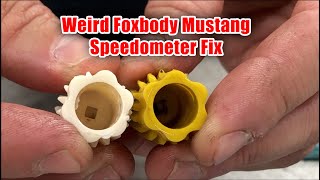
Before you buy a new sensor, always inspect the speedometer cable and the plastic gear. The gear attaches to the end of the sensor and is a very common failure point. The teeth can get worn down, or the square hole in the center can round out, causing it to slip on the sensor shaft. Likewise, the speedometer cable itself can break or bind. These are cheaper parts and should be ruled out before replacing the entire sensor.
Choosing the Right Aftermarket Speed Sensor

When shopping for a new VSS, you'll find several brands available. Quality can vary, and for a part that affects drivability, choosing the right one matters.
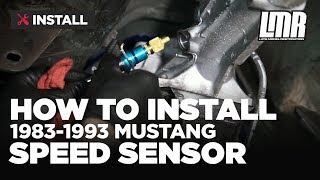
🎬 Watch: 1983-1993 Mustang speed sensor install and brand reviewBrand Quality Tiers
- OEM (Motorcraft): This is the original part your Mustang came with. Motorcraft sensors are widely considered the most reliable and durable option by Fox Body owners. While they cost more, they are the benchmark for fit and performance.
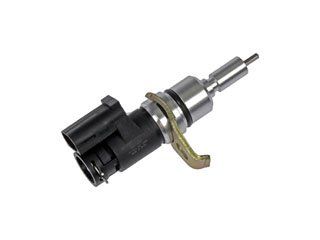
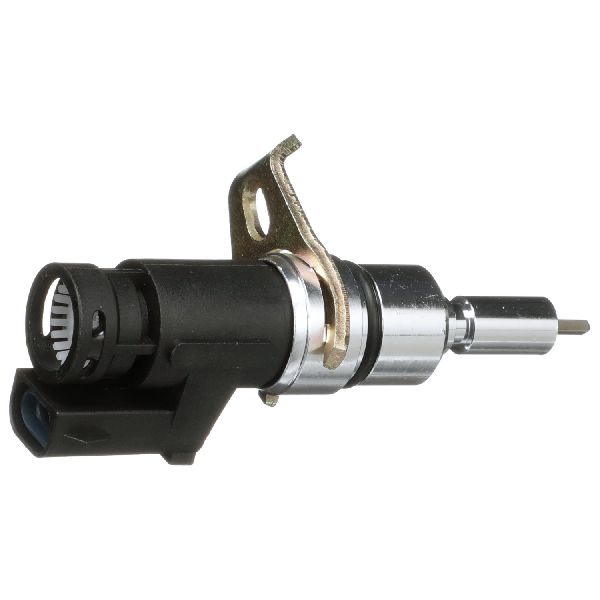
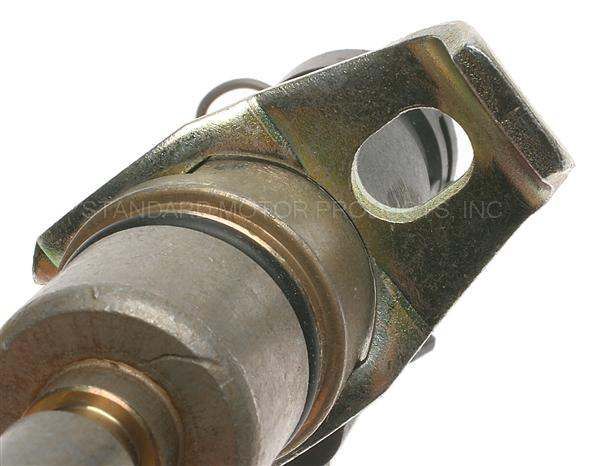
- Premium Aftermarket (Standard Ignition, Delphi): Brands like Standard Motor Products (SMP) and Delphi are well-regarded in the industry. They aim to meet or exceed OEM specifications and offer a good balance of quality and price. They are a solid choice if a Motorcraft part is unavailable or outside your budget.
- Value Aftermarket (Dorman, True Tech): These brands provide a budget-friendly solution. While they are designed to be a direct replacement, some forum users have reported mixed experiences with longevity compared to OEM or premium brands. They can be a good option for a quick fix or if cost is the primary concern.
Cost of a New Vehicle Speed Sensor (1983-1993 Mustang)
| Part Type | Estimated Price Range |
|---|---|
| New OEM (Motorcraft) | $75 - $150 |
| New Aftermarket | $32.25 - $270.11 |
| Used OEM | $25 - $60 |
Pricing is an estimate and may vary based on supplier and availability.
Frequently Asked Questions

Where is the VSS located on my Fox Body Mustang?
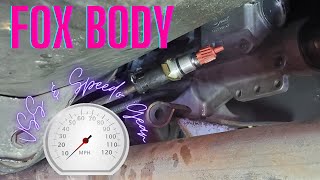
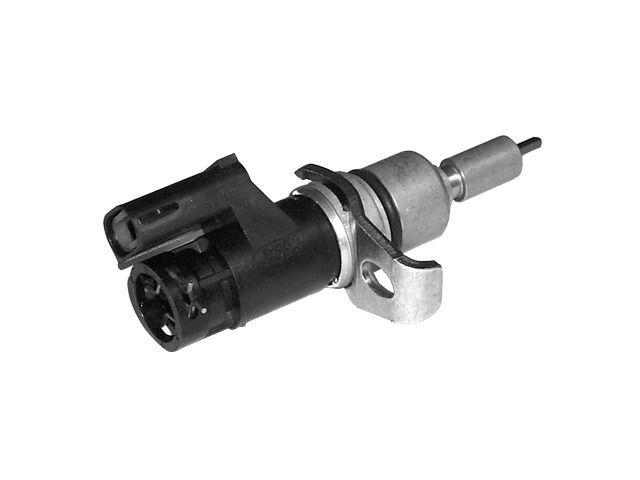
The Vehicle Speed Sensor is on the driver's side of the transmission, on the rear extension housing (tailshaft). The speedometer cable plugs into one end of it, and an electrical connector plugs into the other. It's held in place by a single bolt.
Is the VSS the same as the speedometer gear?
No. The speedometer gear is a small, plastic, color-coded gear that attaches to the shaft of the VSS. The gear is what actually makes contact with the drive gear inside the transmission. The VSS reads the rotation of this gear. The gear and sensor are separate parts and often the gear fails while the sensor is still good.
Can I replace the VSS myself?
Yes, this is a very DIY-friendly job. It typically requires basic hand tools like a wrench or socket to remove one bolt. You'll need to safely lift the car on jack stands to access the transmission. The entire process usually takes less than 30 minutes.
🎬 Follow this step-by-step VSS replacement walkthroughWhy does my speedometer still not work after replacing the sensor?
If a new sensor doesn't fix the issue, the problem is likely the speedometer cable itself (broken or not seated correctly in the gauge cluster) or the drive gear inside the transmission tailshaft. You can test the cable and cluster by disconnecting the cable from the transmission and spinning the inner cable with a drill; if the speedometer moves, the problem is at the transmission end.
Helpful Videos
Technical Specifications
OEM Part Numbers: E9TZ-9E731-A DY-587
Location: Transmission Tailshaft, Driver's Side. Signal Type: Analog, 8,000 pulses per mile. Connection: 2-pin electrical connector and mechanical speedometer cable output.
We Have This Part in Stock


The information in this article is provided for general reference and educational purposes only. Vehicle specifications, procedures, and part compatibility can vary by production date, trim level, and region. Always consult your vehicle's factory service manual and verify part numbers before purchasing or performing repairs. Safety-critical components such as airbags, seat belts, and braking systems should be installed by a qualified professional.
- Ford Mustang: