

GMC Jimmy Oxygen Sensor Guide: Restoring Fuel Economy and Performance for 1983-1993 Models
If your classic GMC Jimmy is suffering from bad gas mileage and a rough idle, a new oxygen sensor might be the simple fix you need.
- Your 1983-1993 Jimmy has only one oxygen sensor, making this a simple and high-impact repair.
- A new O2 sensor is one of the fastest ways to fix poor gas mileage and a rough idle on these trucks.
- For best results, stick with direct-fit sensors from ACDelco or Denso; they are the OEM suppliers.
- Use a special O2 sensor socket and penetrating oil to make removal easier and avoid damaging the part.
Is Your Jimmy Trying to Tell You Something?
A failing oxygen sensor is a common issue on older trucks like the 1983-1993 GMC Jimmy. Because the sensor's signal is vital for managing the fuel mixture, a bad sensor often forces the engine's computer to guess, usually resulting in a rich fuel condition (too much gas). This not only wastes fuel but can also lead to other performance problems. Ignoring these symptoms can, over time, lead to more expensive repairs, like a damaged catalytic converter.
Symptoms of a Failing Oxygen Sensor
Watch for these common signs that your O2 sensor is on its way out:
- Terrible Gas Mileage: This is the number one symptom. The computer defaults to a rich mixture, pouring extra fuel into the engine that goes unburned.
- Rough Idle or Stalling: An incorrect air-fuel ratio can make your Jimmy shake, surge, or even stall when you're stopped at a light.
- Check Engine Light: On later models in this range, a failing O2 sensor will often trigger the 'Check Engine' light. However, on early models, the light may not always come on, even with a faulty sensor.
- Failed Emissions Test: The O2 sensor is a key emissions control device. If it's not working, your truck will not pass a smog check.
- Rotten Egg Smell: A very rich fuel mixture can cause a sulfur or rotten egg smell from the exhaust as the catalytic converter gets overwhelmed.
Known Issues and Recalls
Searches of the National Highway Traffic Safety Administration (NHTSA) database show no specific recalls for the oxygen sensor on the 1983-1993 GMC Jimmy. Any recalls found for this vehicle generation pertain to other issues like seat belts or lighting.
Choosing the Right Aftermarket Oxygen Sensor
You don't need to go to a dealer for this part. Quality aftermarket oxygen sensors are widely available and offer excellent performance. They fall into a few tiers:
- Premium Brands (ACDelco, Denso, NGK): ACDelco is the original equipment manufacturer (OEM) for GM, making it a top choice for a perfect fit and function. Many owners report that Denso now manufactures the sensors that come in ACDelco boxes, making them an equally reliable and sometimes more affordable option. NGK is another top-tier brand known for quality electronics. You can't go wrong with any of these for long-term reliability.
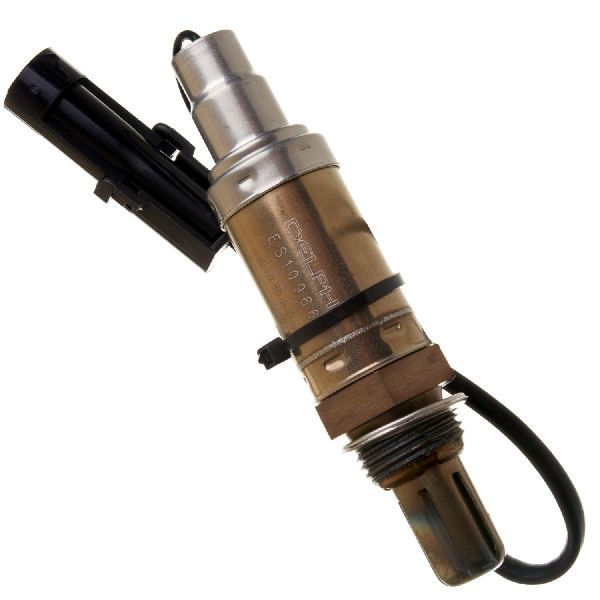
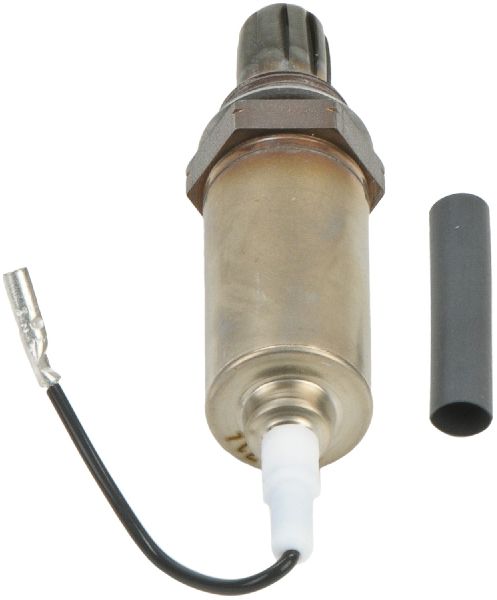
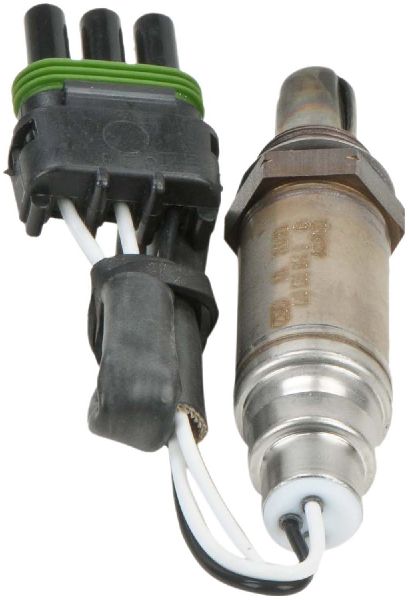
- Standard Brands (Bosch, Delphi): Bosch is a massive sensor manufacturer, but some GM owners have reported occasional issues with their sensors at idle compared to OEM parts. However, many others use them without issue. Delphi is another established OEM supplier that offers a solid, reliable product. These brands offer a good balance of price and quality.
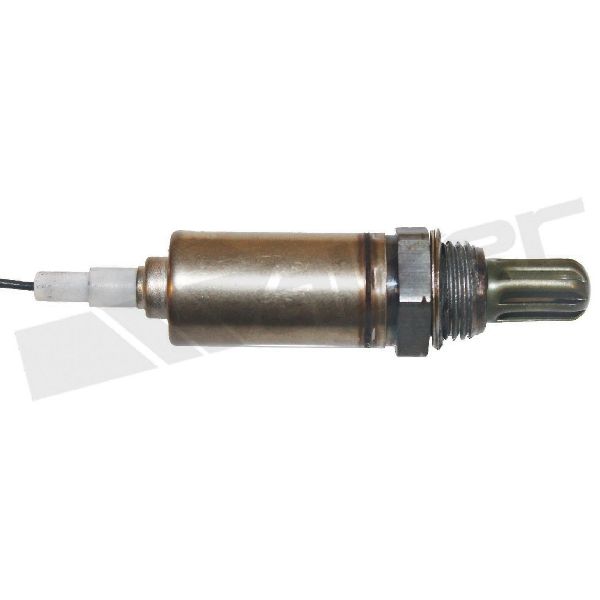
- Economy Brands (Walker Products, DriveWire): These brands provide a budget-friendly solution. For an older, daily-driven truck, they can be a perfectly acceptable choice to get the engine running right. While some users have great success, there are occasional reports of shorter lifespans compared to premium brands.
Estimated Costs
Replacing the oxygen sensor is an affordable repair, especially if you do it yourself.
| Part/Service | Estimated Cost |
|---|---|
| New Aftermarket Oxygen Sensor | $28 - $87 |
| New OEM (Dealer) Oxygen Sensor | $90 - $150 |
| Shop Labor | $75 - $150 |
| DIY Total | $28 - $87 |
| Shop Total | $103 - $237 |
Frequently Asked Questions
How many oxygen sensors does my 1983-1993 Jimmy have?
Your truck has only one oxygen sensor. It is located "upstream" of the catalytic converter, usually screwed into the driver's side exhaust manifold or the Y-pipe where the two sides of the exhaust meet.
Do I need a special tool to replace the O2 sensor?
Yes, it is highly recommended. An oxygen sensor socket is designed with a slot on the side to accommodate the sensor's wire. Using a regular wrench or socket can damage the wire, and you risk rounding off the old, often rusty, sensor. You can often rent this tool from an auto parts store.
The old sensor is stuck. What should I do?
This is very common. The sensor lives in the hot exhaust and gets seized by rust. Liberally spray the base of the sensor with a good penetrating oil (like PB Blaster) and let it soak for at least a day if possible, reapplying a few times. Sometimes, slightly tightening the sensor first can help break the rust's grip before you try to loosen it.
Can I just clean my old oxygen sensor?
No, cleaning is not a reliable fix. The internal sensing element wears out over time and cannot be restored. Replacement is the only proper solution to ensure your engine gets an accurate signal.
Technical Specifications
OEM Part Numbers: 25163691 25105133 AFS20 AFS21
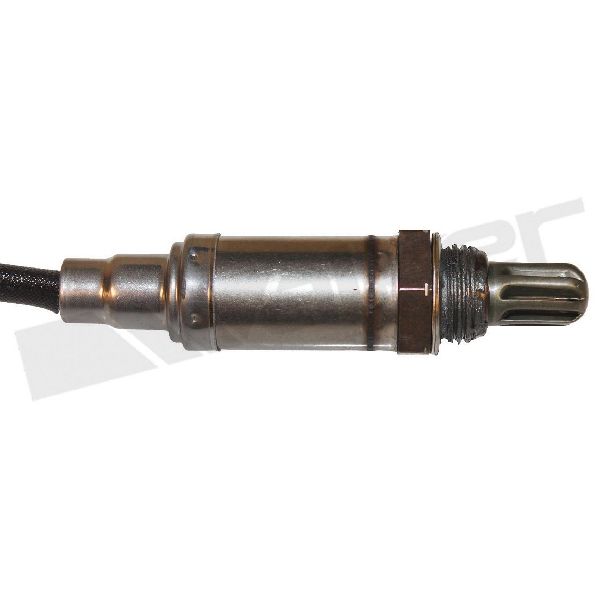
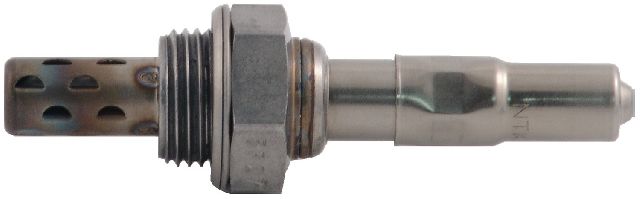
Your vehicle uses a single, unheated, 1-wire upstream oxygen sensor. It is located in the driver-side exhaust manifold or Y-pipe, before the catalytic converter.
We Have This Part in Stock

The information in this article is provided for general reference and educational purposes only. Vehicle specifications, procedures, and part compatibility can vary by production date, trim level, and region. Always consult your vehicle's factory service manual and verify part numbers before purchasing or performing repairs. Safety-critical components such as airbags, seat belts, and braking systems should be installed by a qualified professional.
- GMC Jimmy: