

Chevrolet S10 1983-1994 Ignition Knock (Detonation) Sensor Guide
Keep your S10's engine safe from damaging pre-ignition by understanding and choosing the right knock sensor.
- A bad knock sensor will cause poor performance and fuel economy because the engine computer defaults to a safe, less efficient timing map.
- Ignoring a faulty sensor can lead to serious engine damage from uncontrolled detonation (knocking).
- For reliable, long-term performance, choose a quality aftermarket brand like Delphi or NGK/NTK, which often supply the original parts to GM.
- The sensor is typically located on the passenger side of the engine block and can be difficult to access, sometimes requiring removal of other components.
Is Your S10's Knock Sensor Failing?
A bad knock sensor can cause problems you might notice while driving. Because the sensor's job is to let the computer make the engine run its best, a failure can cause poor performance. The computer will use a "safe" mode for engine timing, which usually means less power and worse gas mileage.
Common Symptoms of a Bad Knock Sensor:
- Check Engine Light: This is the most common sign. The computer will store a trouble code, often P0325, which points to a problem in the knock sensor circuit.
- Poor Acceleration: Your truck may feel sluggish or hesitant, especially when you step on the gas.
- Bad Fuel Economy: When the engine timing isn't optimal, it burns more fuel than it should.
- Engine Pinging or Knocking: If the sensor fails completely, it can't detect knock. You might hear a metallic pinging sound, especially under load, which is very harmful to the engine.
Choosing the Right Aftermarket Knock Sensor
For a critical part like a knock sensor, quality matters. While OEM (Original Equipment Manufacturer) parts from a dealer are an option, high-quality aftermarket brands offer reliable performance, often at a better price. The brands available for your S10 fall into a few quality tiers.
Tier 1: OEM Quality or Equivalent
- Delphi: Delphi is a well-respected brand that was once part of General Motors. They are often the original equipment manufacturer for GM parts, so their quality is considered top-tier and a reliable choice.
- NGK/NTK: NGK (under their NTK sensors brand) is another highly-regarded manufacturer known for producing sensors that meet or exceed OEM specifications. They are a trusted name in engine electronics.
Tier 2: Solid Aftermarket Choices
- Standard Ignition (SMP): Standard Motor Products is a long-standing aftermarket company that produces a wide range of parts. Their sensors are generally considered a reliable and cost-effective alternative to OEM parts.
- Walker Products: Walker is known for its fuel system and engine management components. They provide a dependable option for owners looking for a balance of price and quality.
Tier 3: Budget-Friendly Options
- Global Parts, True Tech: These brands typically fall into the budget category. While they offer significant cost savings, their long-term reliability and sensitivity may not match the higher-tiered brands. For a sensor this important, it's often worth spending a little more to avoid doing the job twice. Some owners report issues with cheaper sensors failing prematurely.
Pro Tip: Knock sensors are sensitive. They can be damaged if dropped. Also, make sure the mounting surface on the engine block is clean and that you tighten the sensor to the correct torque specification. Overtightening can make the sensor overly sensitive, while undertightening can prevent it from detecting knock correctly.
Cost Comparison for a 1983-1994 Chevrolet S10 Knock Sensor
| Part Type | Estimated Cost |
|---|---|
| New Aftermarket | $38.58 - $71.67 |
| New OEM (ACDelco/GM) | $70 - $120 |
| Shop Labor | $100 - $200 |
Frequently Asked Questions (FAQ)
Where is the knock sensor located on my 1983-1994 S10?
On most 4.3L V6 engines from this era, the knock sensor is screwed into the side of the engine block. For many models, it's on the passenger's side, just in front of the starter or below the motor mount. On some 1993-1994 models, there may be two sensors, one on the driver's side between the spark plugs and another on the passenger side rear of the engine. It can be in a tight spot, so you may need to access it from underneath the truck or through the fender well.
What happens if I ignore a bad knock sensor?
Ignoring a bad knock sensor is not recommended. While you can still drive the truck, you will experience poor performance and fuel economy. More importantly, if the sensor isn't working, the ECM cannot protect the engine from detonation, which can lead to severe and expensive damage like broken pistons or rings over time.
Can I test my old knock sensor?
Testing can be tricky. A basic test involves checking the sensor's resistance with a multimeter to see if it's within the factory specification (often around 93k-107k ohms for these models). You can also check for an AC voltage signal by tapping lightly on the engine block near the sensor with the engine running. However, a scan tool that can read live data is the most effective way to diagnose a sensor issue. Given the low cost of a new part and the difficulty of access, many owners choose to replace it if it's suspected to be faulty.
Are there any recalls for the S10 knock sensor?
There are no specific safety recalls listed on the NHTSA database for the ignition knock sensor on the 1983-1994 Chevrolet S10. Recalls are typically for safety-related defects, and while a knock sensor failure affects performance and engine health, it is not usually classified as a critical safety issue that would prompt a recall.
Technical Specifications
OEM Part Numbers: 10456288 10456018 10456031
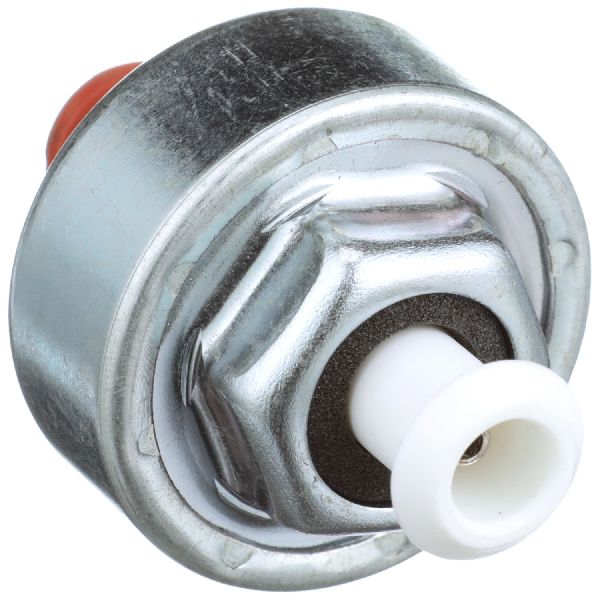
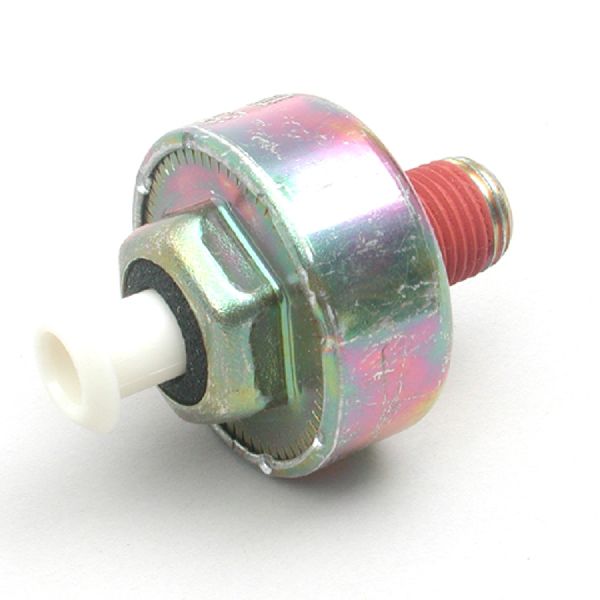
Single pin electrical connector, threaded body for engine block mounting.
We Have This Part in Stock


The information in this article is provided for general reference and educational purposes only. Vehicle specifications, procedures, and part compatibility can vary by production date, trim level, and region. Always consult your vehicle's factory service manual and verify part numbers before purchasing or performing repairs. Safety-critical components such as airbags, seat belts, and braking systems should be installed by a qualified professional.
- Chevrolet S10: