

Choosing the Right Front Disc Brake Pads for Your 1983-1994 Ford Ranger
Don't guess on your brakes—get the right stopping power and lifespan for your first-generation Ranger.
- This guide is for front disc brake pads only; 1983-1994 Rangers have different brake shoes for the rear drums.
- For most owners, a quality 'Daily Driver' ceramic or semi-metallic pad from brands like Wagner, Raybestos, or Centric offers the best value and performance.
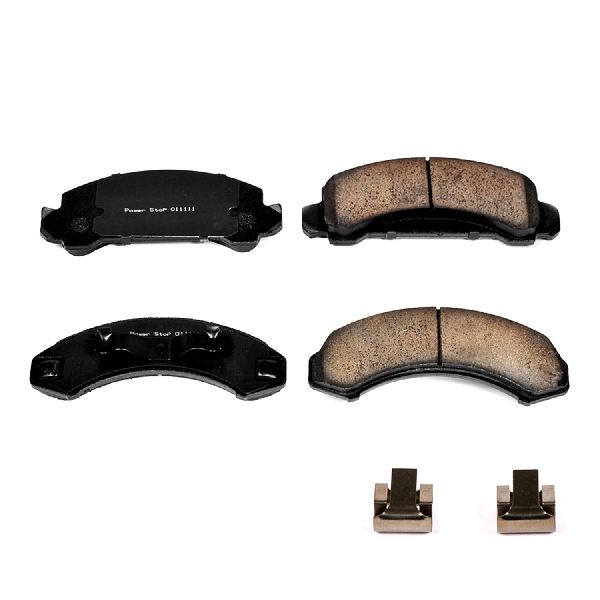
- If you tow, haul, or have oversized tires, upgrading to a 'Performance' pad from Powerstop or EBC is a worthwhile investment for safety and stopping power.
- Always inspect your rotors when changing pads and use a high-temperature, non-petroleum synthetic grease on caliper pins.
Is It Time for New Brake Pads?
Your Ranger's brake system is simple and reliable, but the pads won't last forever. Ignoring the warning signs can lead to more expensive repairs. Listen and feel for these common symptoms of worn-out front brake pads:
- Squealing Noises: A high-pitched squeal when you apply the brakes is often the first sign. This sound comes from a small metal tab called a wear indicator, which is designed to alert you that the pads are getting low.
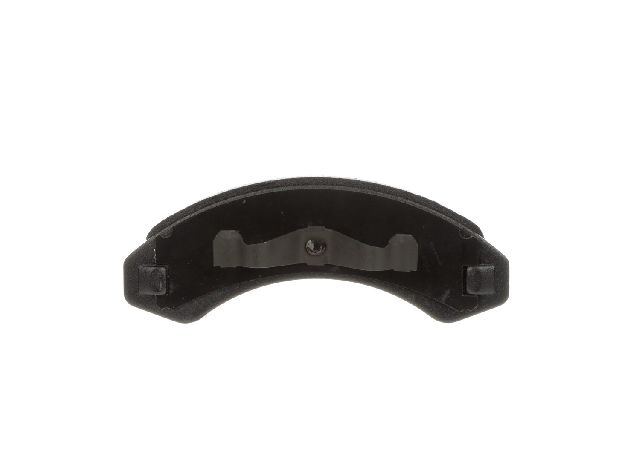
- Grinding Sounds: If you hear a deep, metallic grinding or growling, stop driving as soon as it is safe to do so. This noise means the friction material is completely gone, and the metal backing plate of the pad is grinding against the brake rotor, causing serious damage.
- Vehicle Pulling: If the truck pulls to one side when you brake, it could mean the pads on one side are more worn than the other, or a caliper is sticking.
- Vibrations: A pulsing or vibrating feeling in the brake pedal or steering wheel during braking often points to warped brake rotors, which should be inspected and likely replaced along with your pads.
OEM vs. Aftermarket Pads for Your Ranger
When it's time for a replacement, you have two main choices: OEM (Motorcraft) or aftermarket pads. For a straightforward truck like the first-gen Ranger, you can get excellent results from the aftermarket.
- Motorcraft (OEM): These are the pads Ford designed for the truck. They offer reliable, quiet performance for everyday driving. However, they are often more expensive than aftermarket options and may not provide the extra bite needed for trucks with larger tires or those used for heavy hauling.
- Aftermarket: Aftermarket brands provide a huge range of options in terms of price and performance. For this Ranger, many high-quality aftermarket pads can meet or exceed the original factory performance, often for less money. You can choose pads tailored to your specific needs, whether it's quiet commuting or heavy-duty work.
Choosing the Right Aftermarket Pads: Brand Tiers
With so many brands available, it helps to think of them in tiers. The best choice depends on your budget and how you use your truck.
Economy Pads
These are the most affordable options, perfect for a work truck that needs to get back on the road without a big investment. While functional, they may wear out faster or create more noise and dust than higher-tier options.
Brands: Pronto, Total Stopping Solutions
Daily Driver (OEM-Quality) Pads
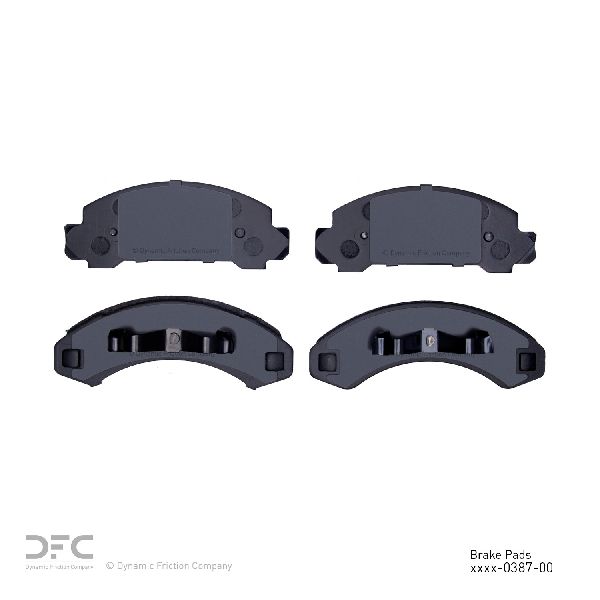
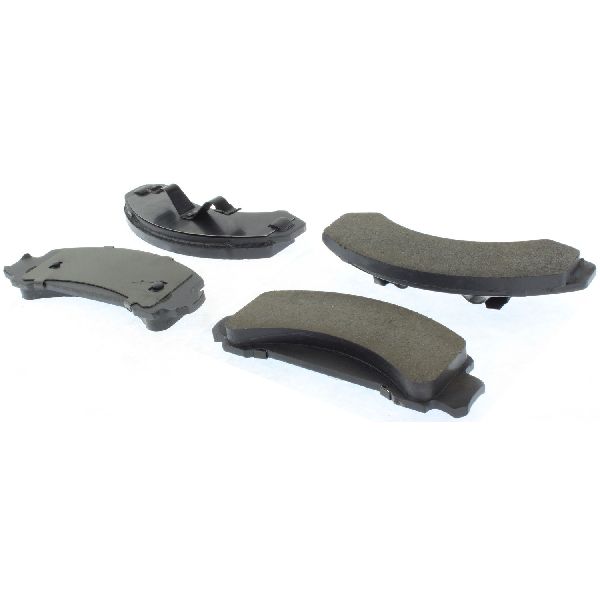
This is the sweet spot for most Ranger owners. These brands are well-respected for providing a great balance of stopping power, low noise, low dust, and long life. They are often made of ceramic or high-quality semi-metallic materials and offer performance similar or superior to the original Motorcraft pads.
Brands: Wagner, Raybestos, Centric, Bendix, Bosch
Premium & Performance Pads
If you use your Ranger for towing, hauling heavy loads, or have fitted larger-than-stock tires, upgrading to a performance pad is a smart move. These pads are designed to handle higher heat and provide more stopping force (or "bite"). They use advanced ceramic or carbon-fiber ceramic formulas for superior performance under stress.
Brands: Powerstop, EBC Brakes, Akebono
| Pad Tier | Typical Price Range (Front Set) | Best For |
|---|---|---|
| Economy | $21 - $40 | Basic use, budget repairs |
| Daily Driver (OEM-Quality) | $40 - $70 | Most owners, balanced performance |
| Premium / Performance | $70 - $92+ | Towing, large tires, heavy use |
Known Issues and Recalls
The 1983-1994 Ford Ranger has no major recalls or widespread issues specifically for its front disc brake pads. A recall was issued for the 1994 model concerning the parking brake, which is part of the rear drum brake system and does not affect the front pads. One notable Technical Service Bulletin (TSB #95212) from 1995 advises against using petroleum-based grease when servicing disc brakes, as it can damage rubber components like caliper seals and boots.
Installation Tips for a First-Gen Ranger
Replacing the front pads on this Ranger is a straightforward job. Unlike modern vehicles, the brake calipers on many of these trucks are held in place by metal guide pins and clips, not large bolts. When you do the job, always clean and lubricate the caliper slide pins so the caliper can move freely. This prevents uneven pad wear and pulling. Also, use a high-temperature, non-petroleum synthetic brake grease as recommended by the TSB.
Frequently Asked Questions
Should I choose ceramic or semi-metallic pads?
For most daily driving, ceramic pads are an excellent choice. They are quiet, produce very little brake dust, and are easy on your rotors. If you frequently tow, haul heavy loads, or want a stronger initial bite, semi-metallic pads are a better option as they handle heat well, though they tend to be dustier and can be noisier.
Do I have to replace my brake rotors with the pads?
It is highly recommended. If your rotors are thin, have a large lip on the edge, or cause a vibration when you brake, they must be replaced. Installing new pads on old, worn rotors can cause noise, reduce performance, and wear out your new pads much faster.
Are the front and rear brake pads the same on a 1983-1994 Ranger?
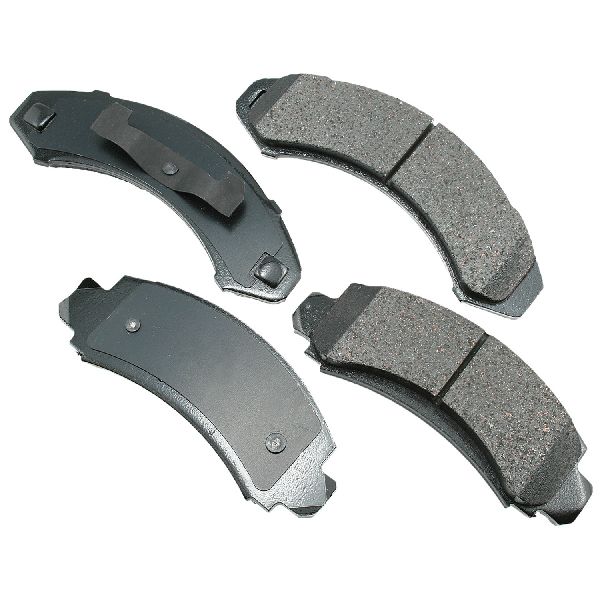
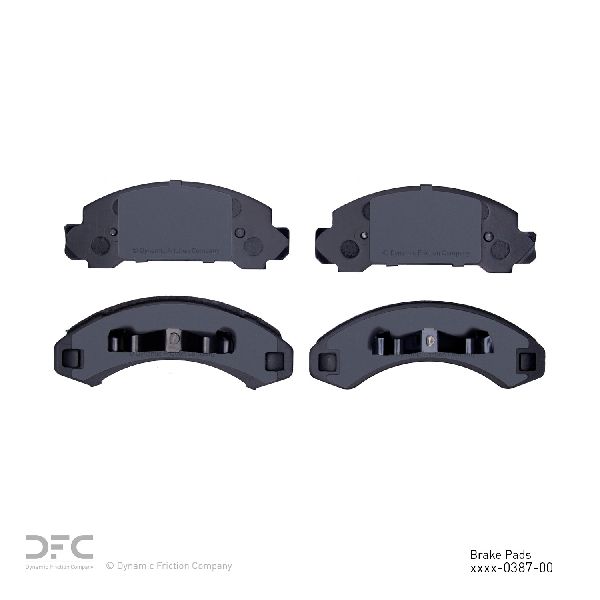
No. This generation of Ford Ranger uses disc brakes on the front and drum brakes on the rear. This part, the Disc Brake Pad Set, is only for the front axle. The rear axle uses brake "shoes," which are a different part entirely.
How often do I need to replace my front brake pads?
The lifespan of your brake pads depends heavily on the pad material, your driving style, and whether you do a lot of city or highway driving. A typical range is anywhere from 25,000 to 60,000 miles. The best approach is to have them visually inspected every time you rotate your tires.
Technical Specifications
Vehicle equipped with front disc brakes and rear drum brakes.
We Have This Part in Stock

The information in this article is provided for general reference and educational purposes only. Vehicle specifications, procedures, and part compatibility can vary by production date, trim level, and region. Always consult your vehicle's factory service manual and verify part numbers before purchasing or performing repairs. Safety-critical components such as airbags, seat belts, and braking systems should be installed by a qualified professional.
- Ford Ranger:
- 🛍️ Shop This Part
- Is It Time for New Brake Pads?
- OEM vs. Aftermarket Pads for Your Ranger
- Choosing the Right Aftermarket Pads: Brand Tiers
- Economy Pads
- Daily Driver (OEM-Quality) Pads
- Premium & Performance Pads
- Known Issues and Recalls
- Installation Tips for a First-Gen Ranger
- Frequently Asked Questions
- 🎟️ Get 5% Off