

A Ford Ranger Owner's Guide to 1983-1994 Rear Drum Brake Shoes
Don't let worn rear brakes compromise your classic Ranger's safety; here's what you need to know.
- Confirm your drum size before ordering; most Rangers use 9-inch drums, but some have 10-inch.
- Always replace the brake hardware kit with the shoes to ensure proper function and spring tension.
- Inspect the wheel cylinders for leaks and check that the self-adjusters and parking brake cables are not seized.
- Aftermarket brands like Bendix, Powerstop, and Centric offer excellent quality for this truck.
Is It Time for New Brake Shoes?

The rear brakes on your first-generation Ford Ranger do about 30% of the stopping, but they are essential for stability and for the parking brake to work right. If you're hearing strange noises from the back of your truck or the brake pedal feels soft, it might be time for new shoes. Ignoring these signs can be dangerous and lead to more expensive repairs.
Common Symptoms of Worn-Out Drum Brake Shoes
- Grinding or Scraping Noises: A harsh grinding sound from the rear wheels when braking is a sure sign the friction material is gone. This is metal-on-metal contact and is very unsafe.
- Spongy or Soft Brake Pedal: If the pedal goes down further than it used to, it could mean your rear shoes are worn out and the self-adjusters aren't working. This can also point to a hydraulic leak.
- Parking Brake Issues: A parking brake handle that pulls up way too high or doesn't hold the truck securely means the rear shoes need adjustment or replacement.
- Vibration When Braking: While often caused by front rotors, out-of-round rear drums can also cause vibrations.
Choosing the Right Aftermarket Brake Shoes


For a vehicle from this era, original Ford (Motorcraft) parts are rare and not necessary. Today's aftermarket brands offer excellent quality that often meets or exceeds the original 1980s and 90s specifications. The key is to choose a reputable brand and always replace your hardware at the same time.
Aftermarket Brand Tiers
Here’s how the available brands generally stack up based on quality, performance, and owner feedback:
- Premium (Bendix, Powerstop): Bendix is a long-standing name with a reputation for quality that matches original parts. Powerstop is known for complete kits that often include new hardware and are considered a good performance upgrade. These are great choices if you want the best performance and longevity.
- Quality Standard (Centric, Dynamic Friction): Centric is a very popular aftermarket choice, offering good, reliable quality that's perfect for a daily driver. They offer different lines, so you can pick one that fits your budget. Dynamic Friction is another solid brand providing dependable stopping power.
Pro Tip: Most 1983-1994 Rangers use 9-inch rear drums. However, some models with higher GVWR or the 4.0L engine may have larger 10-inch drums. Always measure your old drum's inside diameter or check your truck's specifications before ordering to avoid getting the wrong parts.
What Will It Cost to Replace My Ranger's Brake Shoes?
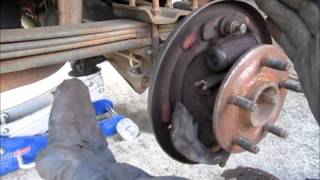
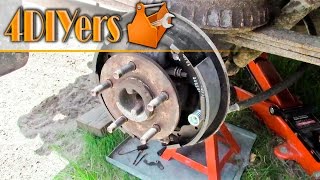
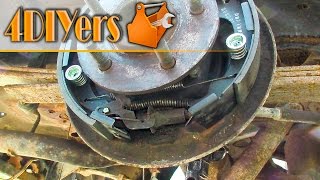
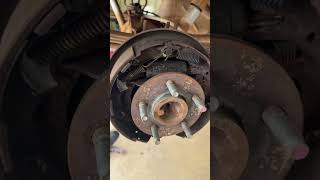
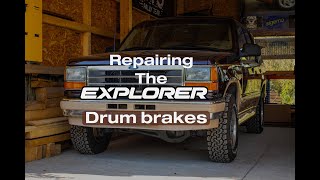
Replacing drum brake shoes is an affordable job, especially if you do it yourself. 🎬 Watch this DIY guide to replacing your Ranger's drum brakes. Here is a general breakdown of the costs you can expect.
| Part/Service | Estimated Cost | Notes |
|---|---|---|
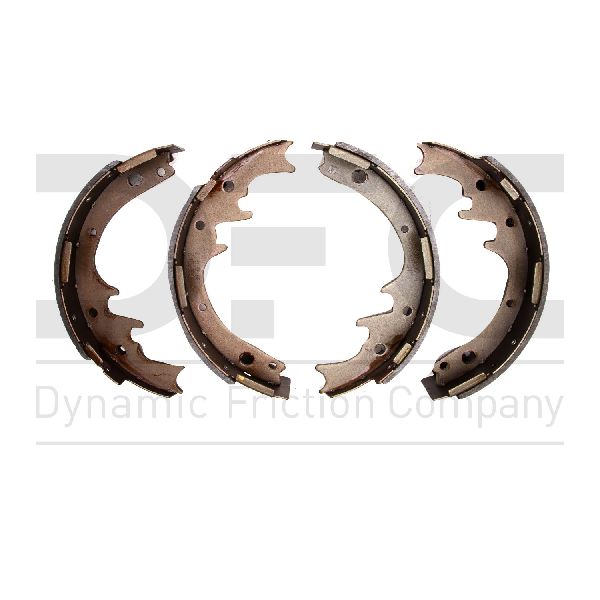
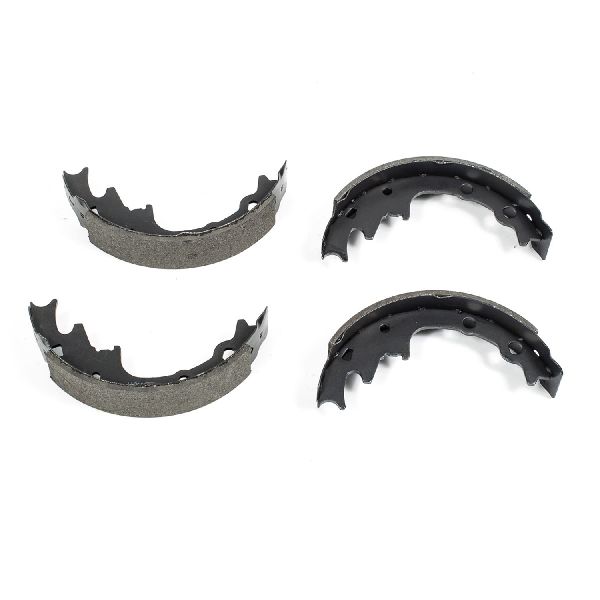
| New Aftermarket Shoe Set | $40 - $84 | This is your best bet. Price varies by brand. Includes a set of 4 shoes for both rear wheels. |
| Brake Hardware Kit | $15 - $30 | Highly recommended. Includes all the new springs, clips, and pins needed for the job. Old springs lose tension. |
| New Brake Drums (Pair) | $60 - $120 | Recommended if your old drums are grooved, have a large lip, or are out-of-round. |
| Shop Labor | $150 - $250 | Labor costs can vary. This job typically takes a professional 1.5 to 2.5 hours. |
Frequently Asked Questions

Do I really need to replace the hardware kit?
Yes, absolutely. The springs in the hardware kit are responsible for pulling the shoes back after you release the brake pedal and for the self-adjusting mechanism to work. Old springs get weak and rusty, leading to dragging brakes or a pedal that feels soft. It's a cheap and essential part of a proper brake job.
What are the self-adjusters and why do they fail?
The self-adjuster is a small mechanism (a star wheel and lever) that automatically adjusts the shoes closer to the drum as they wear down. They often get clogged with brake dust and rust, causing them to seize. When they stop working, your brake pedal may feel low and the parking brake won't hold well. It's common to clean and lubricate or replace the adjusters during a shoe replacement.
🎬 See how to properly clean and lubricate your automatic adjusters.Can I replace just the shoes and not the drums?
You can, but it's not always a good idea. If your drums have deep grooves or a large lip on the edge, putting new, flat shoes against that uneven surface will lead to poor braking and noise. It's best to have the drums resurfaced (machined) or replaced for a smooth, safe result.
What else should I inspect while I'm in there?
While you have the drums off, check the wheel cylinders (the small hydraulic cylinders that push the shoes out) for any signs of brake fluid leaks. A leaking wheel cylinder will ruin your new shoes and cause brake failure. 🎬 Watch a complete walkthrough of a rear drum brake job. Also, check that the parking brake cable moves freely and isn't seized.
Helpful Videos
Technical Specifications
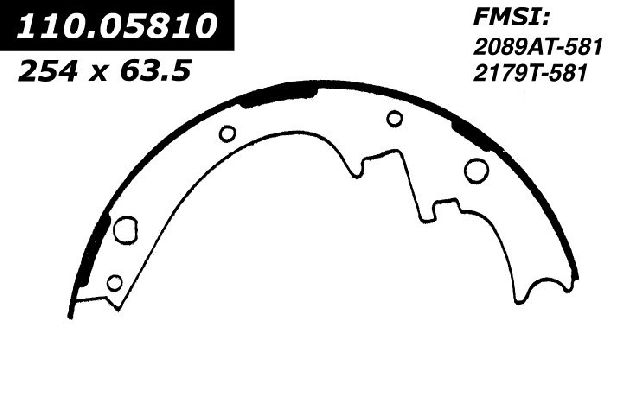
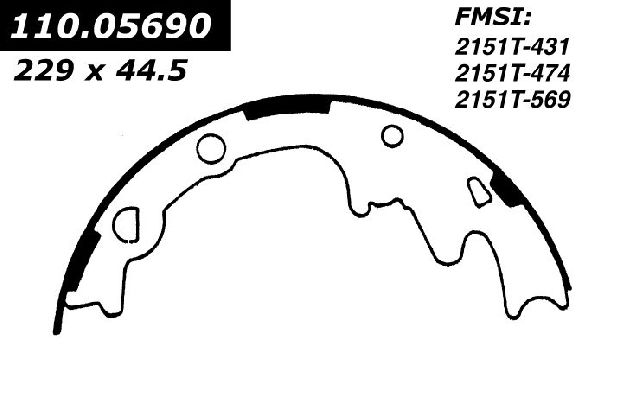
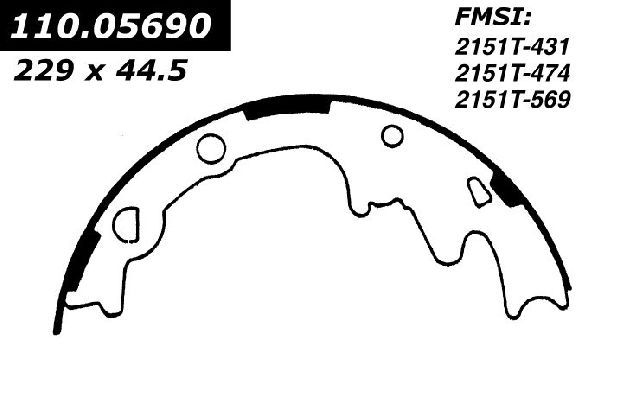
The most common rear drum brake size for the 1983-1994 Ford Ranger is 9 inches in diameter and 1 3/4 inches in width. Some models, particularly those with a higher Gross Vehicle Weight Rating (GVWR) or certain 4.0L engines, were equipped with larger 10-inch drums. It is essential to verify the size on your specific truck before purchasing parts.
We Have This Part in Stock

The information in this article is provided for general reference and educational purposes only. Vehicle specifications, procedures, and part compatibility can vary by production date, trim level, and region. Always consult your vehicle's factory service manual and verify part numbers before purchasing or performing repairs. Safety-critical components such as airbags, seat belts, and braking systems should be installed by a qualified professional.
- Ford Ranger: