

Ford Ranger Engine Coolant Temperature Sensor Guide (1983-1994)
Understand, diagnose, and choose the right engine coolant temperature sensor for your first-generation Ford Ranger.
- Verify if you need the two-wire SENSOR for the computer, not the one-wire SENDER for the gauge.
- Symptoms often mimic other fuel system problems, like poor MPG, black smoke, and rough idle.
- For reliability, spending a little more on a Motorcraft or other premium aftermarket brand is recommended by many owners.
- Replacement is a simple DIY task that usually takes less than 30 minutes with basic tools.
Understanding the ECT Sensor in Your Ranger

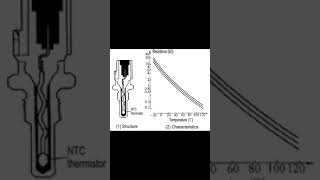
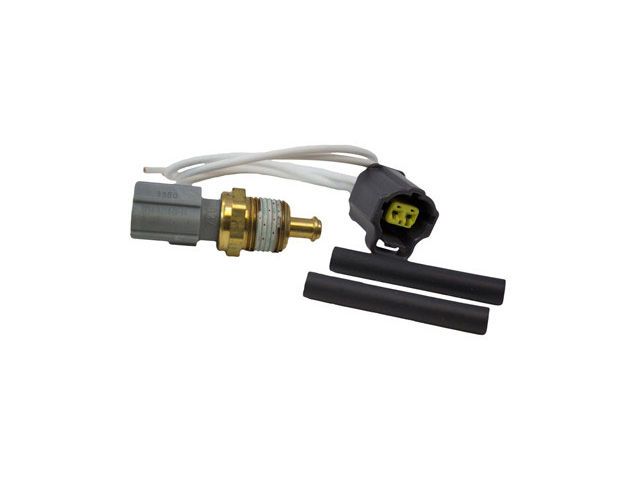
On 1983-1994 Ford Rangers, the Engine Coolant Temperature (ECT) sensor is a simple thermistor. This means its electrical resistance changes with temperature. The engine computer (often called the EEC-IV on these models) reads this resistance to determine how hot your engine is. An accurate reading is crucial for engine performance, fuel economy, and emissions. It's important to note that some Rangers have two separate units: a two-wire sensor for the computer and a one-wire sender for the temperature gauge on your dashboard. This guide focuses on the two-wire sensor that communicates with the engine computer.
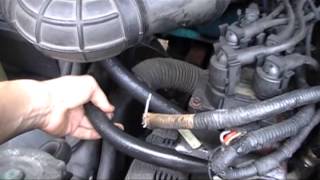
🎬 Watch: A quick overview of the 1989 Ranger sensor basics.Symptoms of a Failing ECT Sensor


When an ECT sensor fails, it often sends incorrect information to the engine computer. This can cause a variety of noticeable problems:
- Poor Fuel Economy: If the sensor incorrectly tells the computer the engine is always cold, the computer will continuously enrich the fuel mixture, wasting gas.
- Black Smoke from Exhaust: A very rich fuel mixture can result in unburnt fuel exiting through the exhaust, creating black smoke.
- Hard Starting: The engine may be difficult to start when it's cold or hot if the computer is getting the wrong temperature reading.
- Rough Idle: An unstable or surging idle is common as the computer struggles to find the right air-fuel balance.
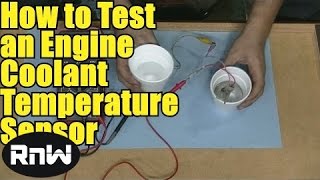
- Check Engine Light: On 1988 and newer models, a faulty ECT sensor can trigger the "Check Engine" light. Pre-1988 models may not have this light. These older trucks use the EEC-IV system, which can store fault codes like Code 51 or 116-118, indicating an issue with the ECT sensor circuit. 🎬 See how to diagnose a Code 116 on your Ranger.
- Engine Overheating or Running Too Cool: In some cases, a bad sensor can affect the operation of an electric cooling fan, leading to overheating. Conversely, if the computer thinks the engine is hotter than it is, it may run poorly.
Sensor vs. Sender: A Common Mistake
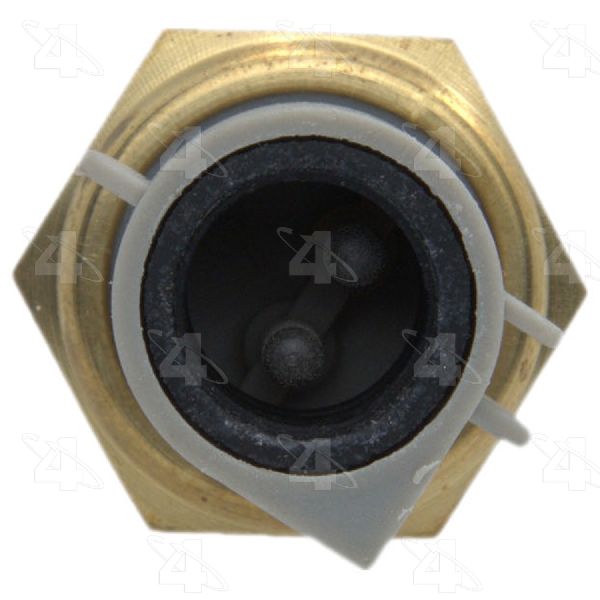
Be careful to order the correct part. The ECT Sensor has two wires and talks to the engine computer. The Temperature Sender has one wire and only operates the dashboard gauge. They are not interchangeable. Always verify the number of electrical pins on your old part before ordering.
Choosing the Right Aftermarket ECT Sensor

While you can still find OEM Motorcraft parts, the aftermarket offers a wide range of options for the 1983-1994 Ranger. Here’s a breakdown of the brands available, tiered by general market perception.
Tier 1: Premium Aftermarket & OEM
- Motorcraft: As the original Ford part, Motorcraft is the benchmark for fit and performance. If you want to ensure OEM-level quality, this is the top choice. Forum users often report that sticking with Motorcraft for critical sensors prevents future headaches.
- NGK/NTK: A highly respected brand, often an OEM supplier for many Japanese and domestic vehicles. Known for quality electronics and sensors.
- Delphi: Another top-tier OEM supplier with a strong reputation for quality engine management components.
- Standard Ignition (SMP): A long-standing and trusted aftermarket brand. They often offer multiple quality levels; their higher-end lines are generally considered reliable.
Tier 2: Quality Standard Aftermarket
- Holstein: Known for producing parts that meet or exceed OEM specifications. A solid choice for a balance of price and quality.
- Walker Products: A well-established brand in fuel and engine management parts.
Tier 3: Economy/Value Brands
- Four Seasons: Primarily known for climate control parts, but they offer a range of engine management components as well.
- Global Parts / True Tech: These brands typically fall into the value category, offering a lower price point which can be suitable for budget-conscious repairs.
Pro Tip: For a critical sensor like the ECT, spending a few extra dollars on a premium brand like Motorcraft, NGK, or Delphi can save you from future diagnostic headaches and performance issues. Many experienced mechanics and Ranger owners recommend using OEM sensors for best results.
Cost of Replacing a Ford Ranger ECT Sensor (1983-1994)
| Part/Service | Estimated Cost |
|---|---|
| New Aftermarket ECT Sensor | $12.13 - $56.45 |
| New OEM (Motorcraft) ECT Sensor | $30 - $70 |
| Shop Labor Cost | $50 - $120 |
| Total DIY Cost | $12 - $70 (Part Only) |
| Total Professional Installation | $62 - $190 |
Note: Prices are estimates and can vary based on location, specific vehicle year/engine, and the repair shop.
Frequently Asked Questions (FAQ)

Where is the ECT sensor located on my 1983-1994 Ranger?
The location varies by engine and year. It is typically a brass or plastic sensor threaded into a coolant passage. Common locations include the thermostat housing, the lower intake manifold, or on a heater hose connector tee. For example, on some 2.9L engines, it's located just under the throttle body. On some 2.3L models from 1994, Ford placed it in a plastic tee on a heater hose, which was later revised. Always visually confirm the location on your specific truck before starting the repair.
Is replacing the ECT sensor a difficult job?
No, this is generally an easy DIY job. It requires basic hand tools like a socket or wrench (often 19mm). The basic steps are: partially drain the coolant, disconnect the electrical connector, unscrew the old sensor, apply thread sealant to the new sensor, screw it in, reconnect the connector, and top off the coolant. The difficulty is rated 1 out of 5.
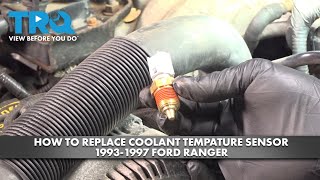
🎬 Watch this step-by-step walkthrough for replacing the sensor.Do I need to drain all the coolant to replace the sensor?
You don't need to drain all of it. If the sensor is located high on the engine, you may only need to drain a small amount to get the coolant level below the sensor's position. Having the new sensor ready to install quickly can minimize coolant loss.
Are there any recalls for this part?
There are no specific recalls issued by the NHTSA for the engine coolant temperature sensor on 1983-1994 Ford Rangers. Any issues would be covered by general diagnostics and repair.
My new sensor came with two different styles, which one do I use?
Some aftermarket kits include adapters or multiple sensor tips to cover various applications. The best way to know is to remove your old sensor first and match it to the correct one in the new package. Pay attention to the threading and the shape of the sensor probe.
Helpful Videos
Technical Specifications
OEM Part Numbers: DY1144 E7TZ-10884-A F6DZ-12A648-A
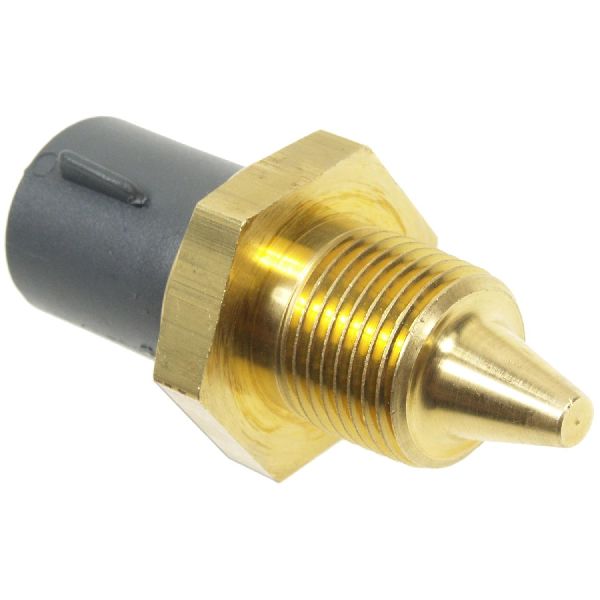
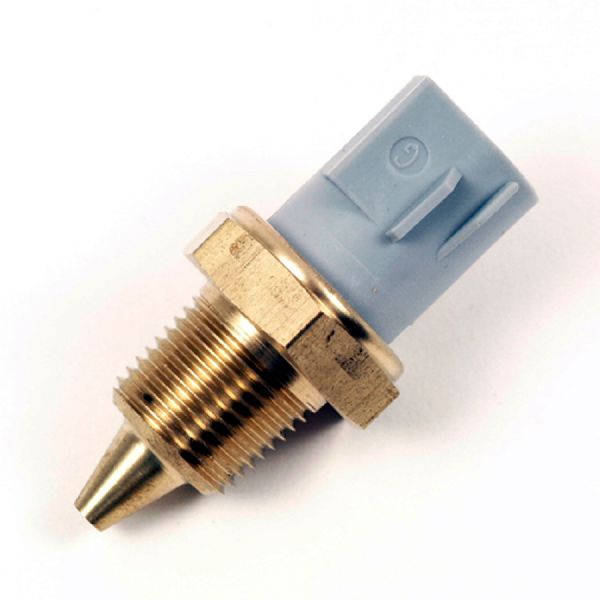
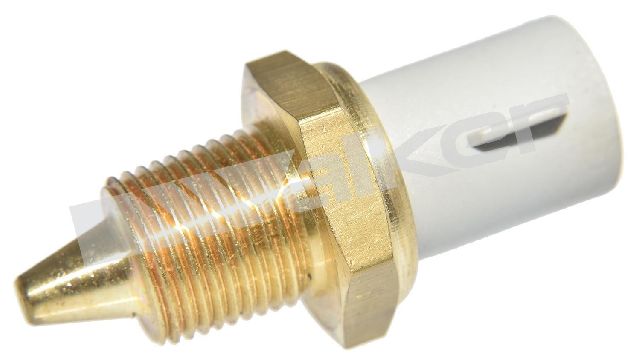
Typically a two-pin, brass or composite body sensor with variable resistance based on temperature. Thread size and connector style can vary by engine and year.
We Have This Part in Stock


The information in this article is provided for general reference and educational purposes only. Vehicle specifications, procedures, and part compatibility can vary by production date, trim level, and region. Always consult your vehicle's factory service manual and verify part numbers before purchasing or performing repairs. Safety-critical components such as airbags, seat belts, and braking systems should be installed by a qualified professional.
- Ford Ranger: