

Ford Ranger Oxygen Sensor Guide: 1983-1994 Models
Fix your truck's poor gas mileage and rough idle by understanding its oxygen sensor.
- A new oxygen sensor is a common and effective fix for poor gas mileage and rough idling on 1983-1994 Rangers.
- Choose the correct sensor for your year and engine; heated (3-4 wire) and unheated (1-wire) sensors are not interchangeable.
- For best results and longevity, stick with trusted aftermarket brands like Bosch, Denso, or NGK.
- The old sensor will likely be rusted in place; soak it with penetrating oil before attempting removal with an O2 sensor socket.
Is Your Ranger's Oxygen Sensor Failing?

An oxygen sensor won't last forever. They live in a harsh environment of extreme heat and corrosive exhaust gases. For older trucks like the 1983-1994 Ranger, a failing O2 sensor is a common cause of engine problems. Recognizing the signs early can save you fuel and prevent more expensive repairs down the road.
Symptoms of a Bad O2 Sensor
If your O2 sensor is going bad, your truck will tell you. Here are the most common symptoms:
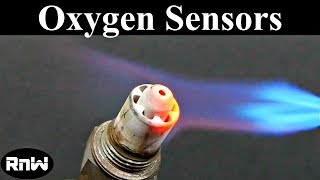
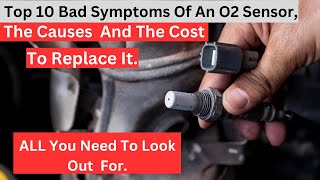
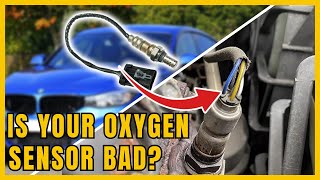
🎬 Watch: 8 common signs of a faulty oxygen sensor- Poor Fuel Economy: This is the most common sign. If you notice you're filling up the tank more often, a bad O2 sensor could be forcing the engine to run rich, wasting fuel.
- Rough Idle and Stalling: The engine may shake, shudder, or idle unevenly when stopped. In some cases, it might even stall.
- Hesitation and Power Loss: When you press the gas, the truck might hesitate or feel sluggish. This happens because the engine isn't getting the correct air-fuel mixture for acceleration.
- Check Engine Light: On Rangers equipped with a functional check engine light, a faulty O2 sensor will trigger a code and illuminate the light on your dash. Common OBD-I codes for this issue include 41 (lean condition) and 42 (rich condition).
- Failed Emissions Test: A bad O2 sensor will cause your truck to fail a smog test due to incorrect exhaust emission levels.
Generation & Engine Differences
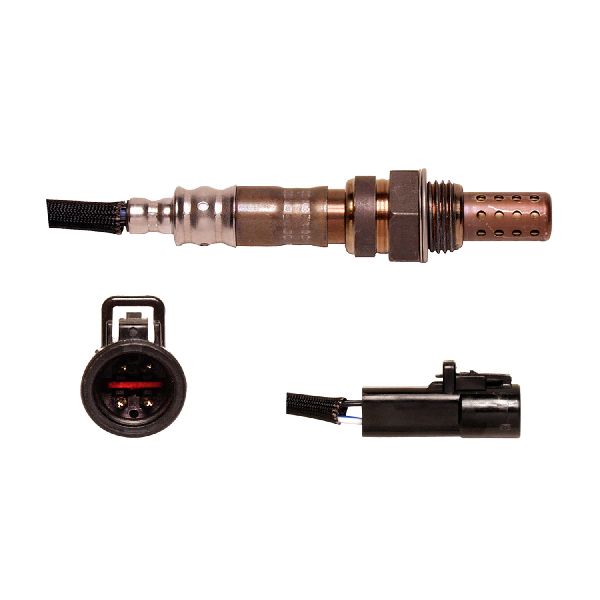
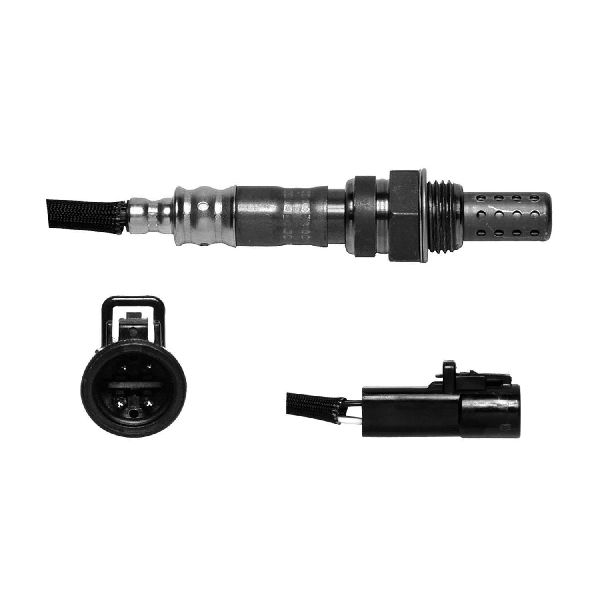
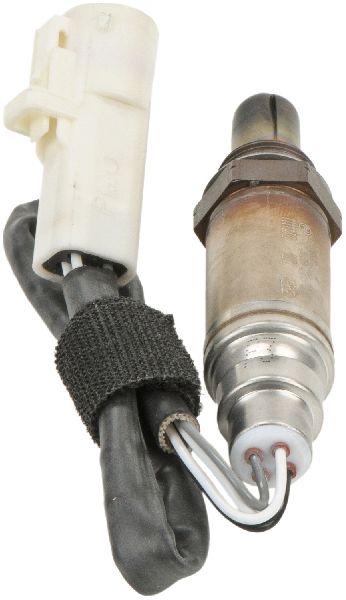
The 1983-1994 year range covers both carbureted and fuel-injected engines. Early models (approx. 1983-1985) may have a simple, one-wire unheated O2 sensor. Later fuel-injected models use a more complex heated O2 sensor (three or four wires) that provides faster and more accurate readings. It is critical to buy the correct sensor for your specific year and engine, as the wiring and function are not interchangeable.
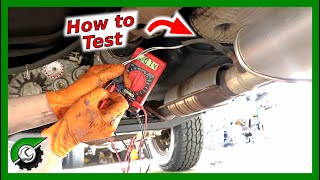
🎬 See this guide on testing sensors and wire identificationChoosing the Right Aftermarket O2 Sensor

You don't need to go to a dealer for a quality replacement. Aftermarket brands often provide the same or better quality, sometimes because they are the original equipment manufacturer (OEM). Here’s a breakdown of available brands:
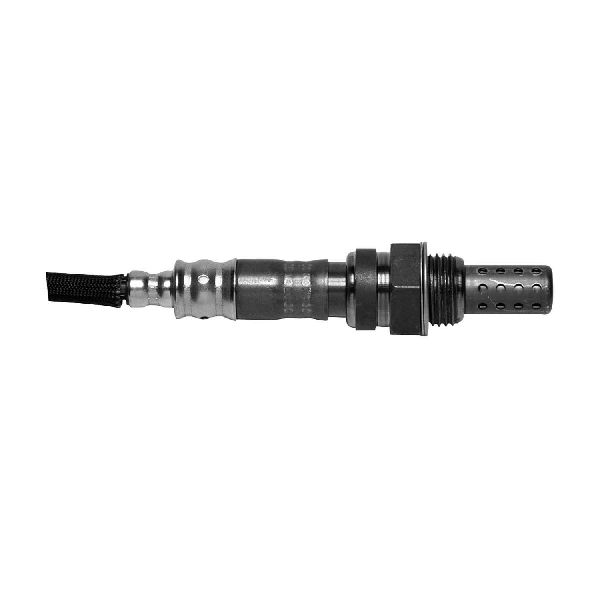
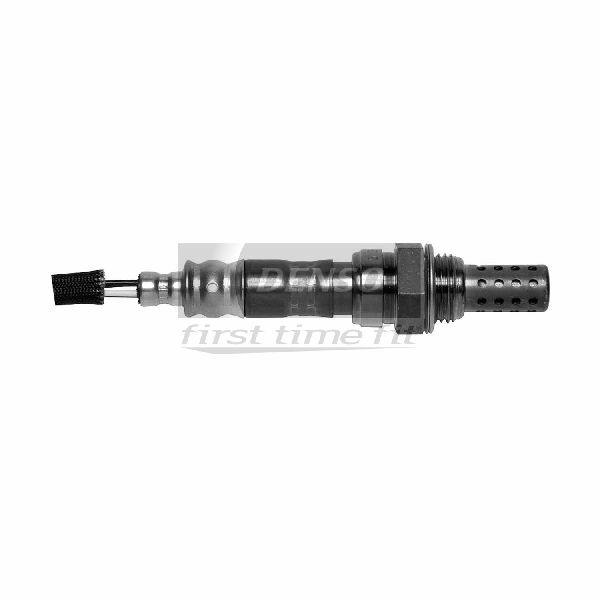
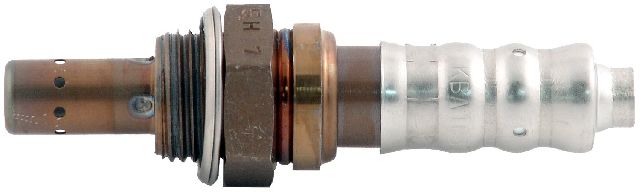
- Premium Brands (OEM Quality): Bosch, Denso, and NGK are top-tier choices. These companies are major OEM suppliers to Ford and other automakers. Choosing one of these brands is the closest you can get to the original part's quality and longevity. They are highly recommended for a reliable, long-lasting fix.
- Quality Mid-Range Brands: Delphi, Spectra, and Walker Products offer a great balance of quality and price. They are well-regarded in the aftermarket and provide a dependable alternative to the premium brands without the higher cost.
- Economy Brands: DriveWire is a budget-friendly option. While it can get your truck back on the road for less money, it may not have the same lifespan or precise calibration as the more expensive brands.
Replacement Cost
Replacing an oxygen sensor is one of the more affordable repairs you can make. The biggest factor in the cost is whether you do it yourself or have a shop do the work.
| Part/Service | Estimated Cost |
|---|---|
| New Aftermarket O2 Sensor | $21 - $75 |
| Shop Labor | $60 - $120 |
| Total Professional Installation | $81 - $195 |
Frequently Asked Questions

How many O2 sensors does my 1983-1994 Ranger have?
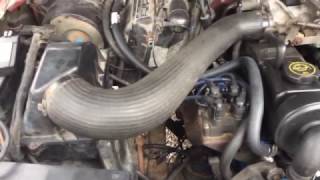
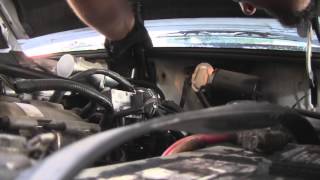
Most Rangers from this era have only one or two oxygen sensors. V6 models like the 4.0L may have two (one for each cylinder bank), while 4-cylinder models typically have one. 🎬 Watch this step-by-step replacement on a 2.3L Ranger They are located upstream, before the catalytic converter. Unlike modern vehicles, these trucks do not have downstream sensors after the converter.
Can I clean my old oxygen sensor?
While some people attempt to clean O2 sensors, it is not a reliable or recommended fix. Contaminants can penetrate deep into the sensor's porous ceramic element, and cleaning the surface rarely restores its proper function. Replacement is the only guaranteed solution.
Do I need a special tool to replace it?
Yes, it is highly recommended to use a special O2 sensor socket. This socket has a slit down the side to accommodate the sensor's wire. While you might be able to use a standard wrench, the sensor is often seized in the exhaust pipe, and a proper socket provides the best grip to avoid stripping it.
What is the difference between a heated and unheated sensor?
Unheated sensors (1 or 2 wires) rely on hot exhaust gas to reach operating temperature. Heated sensors (3 or 4 wires) have a small internal heater that brings them up to temperature much faster. This allows the engine computer to enter 'closed loop' mode sooner, which improves fuel economy and reduces emissions on cold starts. Your truck's computer is designed for one type, so you must replace it with the correct one.
Helpful Videos
Technical Specifications
Varies by engine and year. Key types include single-wire unheated, and three- or four-wire heated sensors. Thread size is typically M18x1.5. Always verify the correct part for your specific vehicle configuration.
We Have This Part in Stock

The information in this article is provided for general reference and educational purposes only. Vehicle specifications, procedures, and part compatibility can vary by production date, trim level, and region. Always consult your vehicle's factory service manual and verify part numbers before purchasing or performing repairs. Safety-critical components such as airbags, seat belts, and braking systems should be installed by a qualified professional.
- Ford Ranger: