

Kawasaki KX250 Spark Plug Replacement Guide (1983-1994)
Choosing the right spark plug is critical for the performance and reliability of your two-stroke KX250.
- A failing spark plug on a KX250 will cause hard starting, misfires, rough idle, and power loss.
- NGK is the most recommended brand for this bike; a standard BR8ES is a common and effective choice.
- Regularly inspecting and replacing your spark plug is cheap and essential maintenance for a two-stroke engine.
- Always check the spark plug gap before installation; it should be around 0.028 inches.
Signs of a Failing Spark Plug
A worn or fouled spark plug can cause a number of problems with your KX250's performance. Because it's a two-stroke engine, the spark plug is more prone to 'fouling,' which is when oil and carbon deposits from the fuel mixture build up on the electrode, preventing a good spark. 🎬 Learn the four common reasons why dirt bikes foul plugs. You might notice one or more of the following symptoms:
- Hard Starting: A weak spark makes it difficult for the engine to fire up, especially when cold. 🎬 Watch how to warm up your engine without fouling plugs.
- Engine Misfires: You may feel the engine hesitate or stumble during acceleration.
- Poor Idle: The engine may idle roughly or stall completely.
- Loss of Power: A weak or inconsistent spark leads to incomplete combustion, reducing overall power.
- Excessive Smoke: While two-strokes always smoke, a fouled plug can lead to even more smoke due to unburnt fuel.
Pro Tip: Reading Your Plug
The color and condition of your old spark plug can tell you a lot about your engine's health. A light brown or tan color on the insulator nose indicates a healthy engine and correct jetting. A black, oily, or wet plug is 'fouled' and often means the fuel mixture is too rich or there's an issue with your premix oil ratio. 🎬 Follow this guide to fix recurring spark plug fouling issues. A white or blistered insulator can mean the engine is running too lean and hot, which can cause serious engine damage.
Choosing the Right Aftermarket Spark Plug
When it comes to spark plugs for Japanese motorcycles, one brand consistently stands out. Most service manuals will list both an NGK and a Denso part number as suitable replacements.
Tier 1: OEM-Equivalent Quality
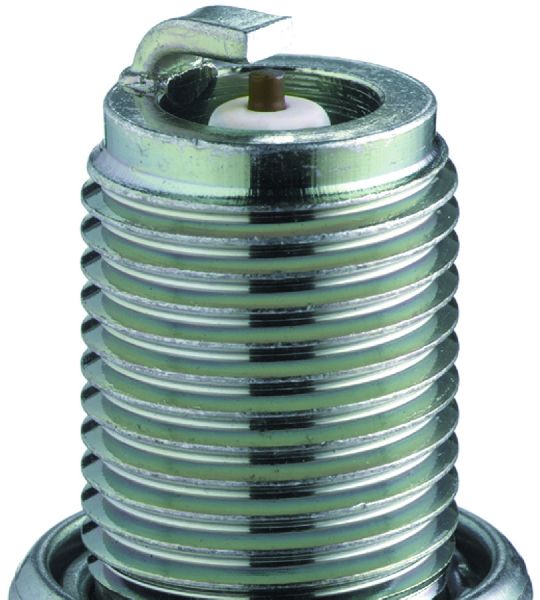
- NGK: NGK is the most widely recommended and used spark plug for the Kawasaki KX250. They are often the original equipment manufacturer (OEM) choice, meaning the quality is identical to the plug your bike came with from the factory. For the 1983-1994 KX250, standard NGK plugs like the B8ES or BR8ES are commonly recommended. They offer excellent performance and durability.
Tier 2: High-Quality Alternative
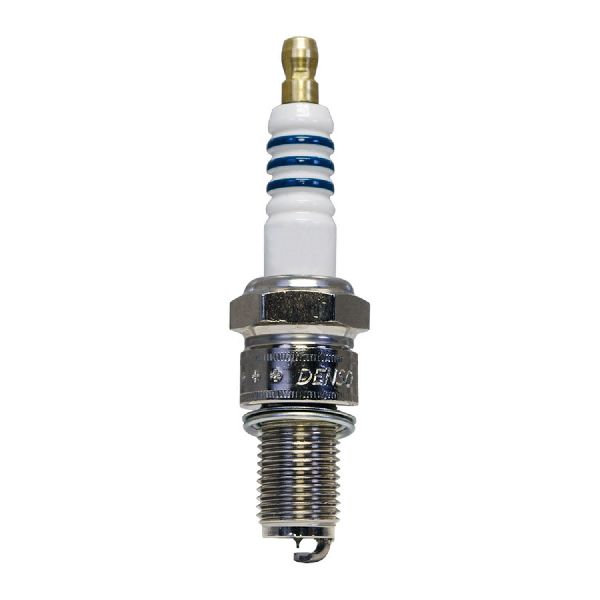
- Denso: Denso is another top-tier Japanese brand that produces high-quality spark plugs. While not as commonly cited for this specific vintage of KX250 in forums, they are a reliable alternative to NGK. If you find a cross-referenced Denso plug, you can be confident in its performance and reliability.
Tier 3: Budget-Friendly Option
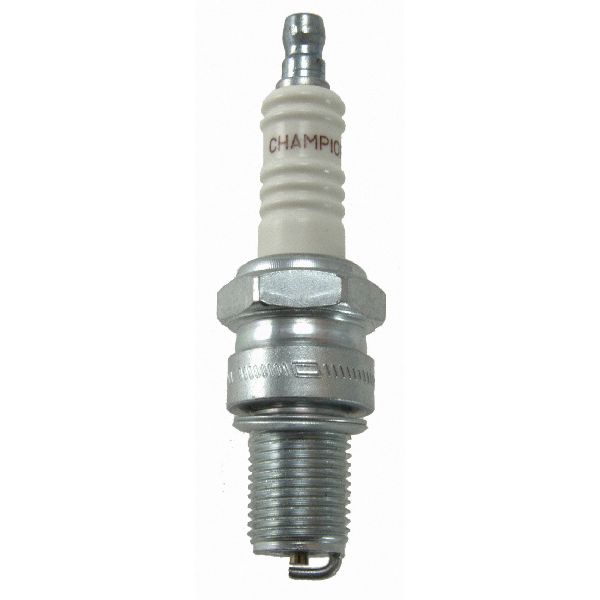
- Champion: Champion plugs are available and can be a more budget-friendly choice. While they will function, most experienced KX owners and mechanics strongly prefer NGK for optimal performance and reliability in the demanding two-stroke engine.
A Note on Iridium Plugs
While modern bikes often use Iridium plugs for longer life, they are generally not necessary or cost-effective for the 1983-1994 KX250. Standard copper plugs (like the NGK BR8ES) perform excellently and are inexpensive, making it easy to replace them regularly, which is a good practice on a two-stroke motocross bike.
Cost of a New Spark Plug (1983-1994 KX250)
| Category | Price Range |
|---|---|
| New Aftermarket (NGK, Denso, Champion) | $3.74 - $55.77 |
Pricing is based on our inventory and is subject to change.
Frequently Asked Questions
How often should I change the spark plug on my KX250?
For a motocross bike like the KX250, it's good practice to check the plug every 5-10 hours of riding and replace it every 10-20 hours, or whenever you notice a decline in performance. They are inexpensive, and a fresh plug is cheap insurance against a stalled bike on the track or trail.
What is a spark plug's "heat range"?
The heat range refers to how quickly the spark plug transfers heat away from its firing tip. A "hotter" plug transfers heat more slowly, burning off carbon deposits, while a "colder" plug transfers heat faster to prevent overheating in high-performance engines. Using the wrong heat range can lead to fouling (too cold) or engine damage (too hot). For the KX250, a plug like the NGK BR8ES has the correct heat range for most conditions.
Do I need to gap my new spark plug?
Yes, you should always check the gap before installation. The recommended gap for a 1983 KX250 is around 0.028 inches. Use a feeler gauge or gap tool to check and gently adjust the ground electrode if needed. Most plugs for your bike will be close to correct out of the box, but it's always best to verify.
Is there a recall on the spark plugs for the 1983-1994 KX250?
No, there are no recalls or Technical Service Bulletins (TSBs) related to spark plugs for the 1983-1994 Kawasaki KX250. Recent Kawasaki recalls for spark plugs apply to much newer street motorcycle models and are not relevant to this vintage dirt bike.
Helpful Videos
![The 4 Ways Dirt Bikes EAT Spark Plugs [Why Did It Foul?]](https://img.youtube.com/vi/0HsdViNKD8Q/mqdefault.jpg)
![2 Stroke Dirt Bike Keeps Fouling Plugs? [How To Fix It]](https://img.youtube.com/vi/xgW5oW5GKF4/mqdefault.jpg)
Technical Specifications
OEM Part Numbers: 92070-1063
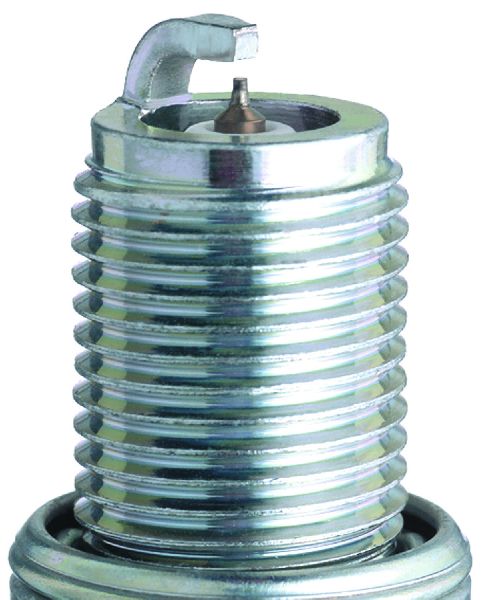
Common aftermarket part numbers include NGK B8ES, BR8ES, and BR8EG. The key specifications to match are the thread diameter (14mm), thread reach (19mm), and heat range (8 for NGK).
We Have This Part in Stock

The information in this article is provided for general reference and educational purposes only. Vehicle specifications, procedures, and part compatibility can vary by production date, trim level, and region. Always consult your vehicle's factory service manual and verify part numbers before purchasing or performing repairs. Safety-critical components such as airbags, seat belts, and braking systems should be installed by a qualified professional.
- Kawasaki KX250: