

Ford Mustang Starter Replacement Guide for 1983-1995 Models
Everything you need to know before buying a new starter for your Fox Body or SN95 Mustang.
- For 1983-1991 models, a 'single click' is very often the fender-mounted solenoid, not the starter motor.
- Upgrading an early model to a later-style PMGR ('mini-starter') is a popular and effective solution for heat-related starting issues and provides more cranking power.
- Always check for clean, tight battery terminals and good engine ground connections before replacing parts.
- The top starter bolt can be difficult to access; using long extensions and a universal joint is highly recommended for DIY replacement.
Is Your Mustang's Starter Failing?
A bad starter will leave you stranded. Symptoms often start small and get worse, but sometimes they fail without warning. Knowing the signs can help you diagnose the problem before you're stuck in a parking lot.
Common Failure Symptoms:
- Single Loud Click: On 1983-1991 models, this is the classic sign of a bad fender-mounted starter solenoid, not necessarily the starter motor itself. The solenoid is trying to send power, but it fails internally. On 1992-1995 models, this can point to the starter's integrated solenoid or a poor electrical connection.
- Rapid Clicking Noise: A fast click-click-click sound when you turn the key is almost always a sign of a weak or dead battery, not a bad starter. The starter requires a huge amount of power that a weak battery can't provide.
- Slow or Labored Cranking: If the engine turns over very slowly, like it's struggling, the starter motor could be wearing out, or you could have high resistance from corroded cables.
- Whirring or Grinding Noise: If you hear a high-pitched whirring or a harsh grinding sound after the engine starts (or instead of it starting), the starter's gear (the Bendix) may be failing to engage or retract properly.
- No Sound at All: This could be a number of issues, from a dead battery or bad ignition switch to a completely failed starter or solenoid.
Check the Simple Stuff First
Before you blame the starter, make sure your battery is fully charged and the terminals are clean and tight. On these Mustangs, poor ground connections are a common cause of no-start issues. Check the main ground from the battery to the engine block.
🎬 Watch: Troubleshooting a Mustang that won't crankChoosing the Right Aftermarket Starter
For the 1983-1995 Mustang, you have two main types of starters to consider, which creates a unique situation where an aftermarket part can be a significant upgrade over the original factory part.
OEM vs. Aftermarket Quality
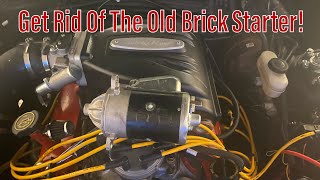
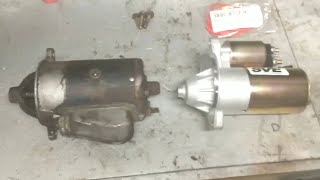
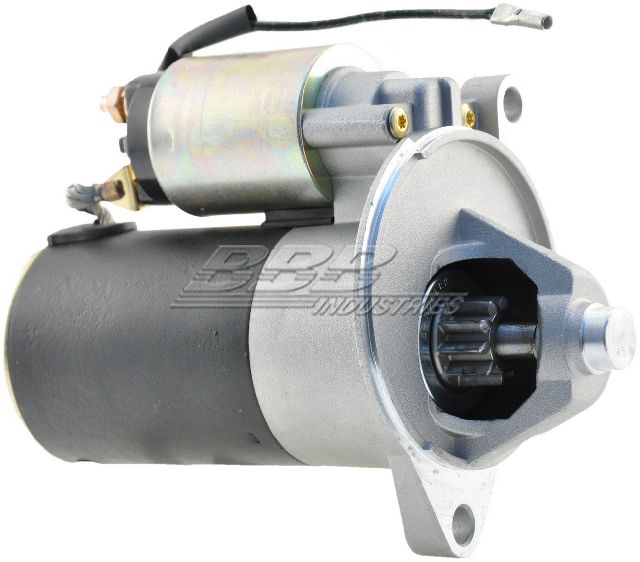
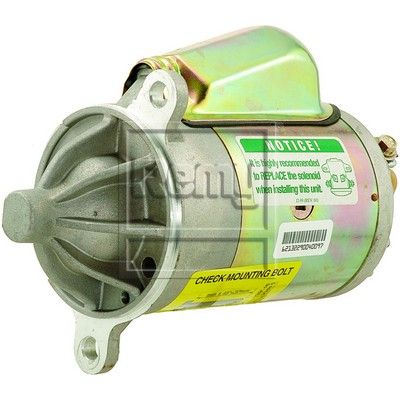
For this generation, especially the pre-1992 models, the original equipment starter was a large, heavy, and power-hungry unit. It was also prone to "heat soak," where heat from the exhaust manifold prevents the starter from working until it cools down. Aftermarket manufacturers offer Permanent Magnet Gear Reduction (PMGR) starters, similar to what Ford began using in 1992. These are lighter, smaller, more powerful, and draw less current. For an owner of a 1983-1991 Mustang, choosing a new aftermarket PMGR-style starter is a highly recommended upgrade for reliability and performance.
Aftermarket Brand Tiers
When shopping for a new aftermarket starter, you'll find several brands available. Quality can vary, but they generally fall into recognizable tiers.
- Tier 1: Bosch, Denso. These brands are often original equipment suppliers for many car manufacturers and have a strong reputation for quality and reliability in the aftermarket. Choosing a new starter from one of these brands is typically a safe bet for longevity.
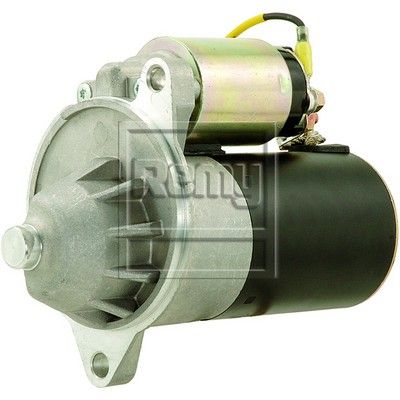
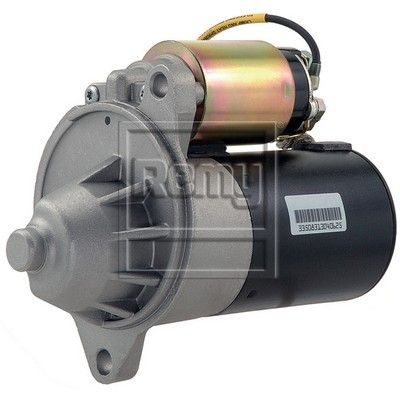
- Tier 2: Remy. Remy is a well-known name in automotive electrics with a long history. While some enthusiasts feel their quality has varied over the years, they remain a popular and widely available option.
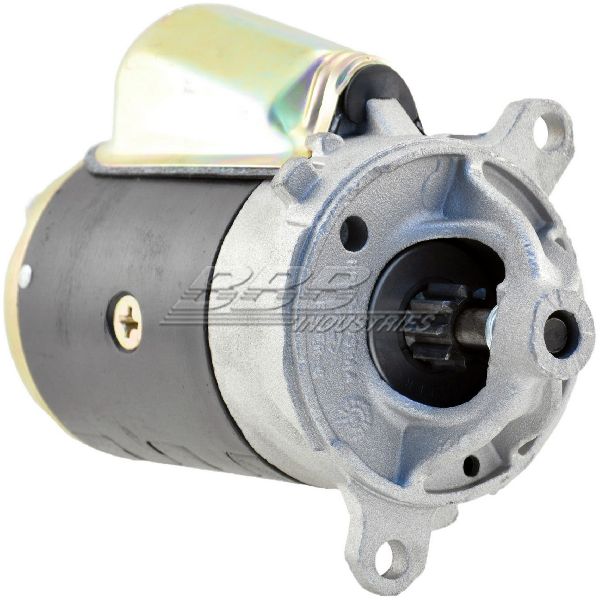
- Tier 3: BBB Industries, WAI Global. These brands are major players in the aftermarket, offering a wide range of parts that provide good value. BBB is a large-scale remanufacturer that supplies many parts stores. WAI Global has mixed reviews; some find their parts to be a great value, while others have reported issues. These brands can be a good budget-friendly choice.
Pro Tip: Upgrade to a PMGR Starter
If you have a 1983-1991 Mustang with the original large starter, installing a new PMGR-style starter (the type used on 1992-1995 models) is one of the best reliability upgrades you can make. It provides better cranking power, especially with modifications, and the smaller size gives more clearance for aftermarket headers.
🎬 See how to swap your heavy starter for a PMGR upgradeEstimated Replacement Costs
| Part Type | Estimated Cost |
|---|---|
| New Aftermarket Starter | $85 - $198 |
| Remanufactured Starter | $60 - $150 |
| Shop Labor | $120 - $250 |
Cost estimates are for parts and labor and can vary by location and vehicle condition.
Frequently Asked Questions
My car just makes one 'click' when I turn the key. Is the starter bad?
On a 1983-1991 Mustang, a single click strongly points to the fender-mounted starter solenoid. This is a cheap and easy part to replace. On 1992-1995 models, a single click is more likely to be the starter itself or a bad electrical connection, as the solenoid is part of the starter assembly.
What is the difference between the starter and the solenoid?
The solenoid acts as a powerful relay. When you turn the key, it gets a low-current signal and closes a switch to send the high-current power from the battery to the starter motor. On pre-1992 Mustangs, this was a separate part on the inner fender. On later models, it's integrated into the starter motor housing.
Is it difficult to replace the starter on a Fox Body or SN95 Mustang?
The job is straightforward but can be tricky. It's held on by only two bolts, but the top bolt can be very hard to reach, often requiring long extensions and a universal joint for your socket wrench. The bolts can also seize in the aluminum transmission bellhousing, so soaking them with penetrating oil beforehand is recommended.
🎬 Watch: A quick walkthrough of the starter removal processAre there any recalls on the 1983-1995 Mustang starter?
No, there are no specific recalls or technical service bulletins (TSBs) issued by Ford or the NHTSA for starter motor or solenoid failure on the 1983-1995 Ford Mustang. Any starting system problems are typically due to age and wear on the original components.
Helpful Videos
Technical Specifications
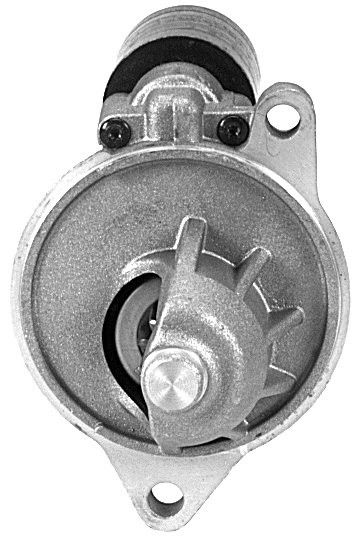
OEM Part Numbers: E9SZ11002A F7SU11000AB 3205 3268
Voltage: 12V; Rotation: Clockwise; Tooth Count: 10 or 12 depending on application. Pre-1992 models used a direct-drive starter with an external solenoid. 1992-1995 models used a Permanent Magnet Gear Reduction (PMGR) starter with an integrated solenoid.
We Have This Part in Stock

The information in this article is provided for general reference and educational purposes only. Vehicle specifications, procedures, and part compatibility can vary by production date, trim level, and region. Always consult your vehicle's factory service manual and verify part numbers before purchasing or performing repairs. Safety-critical components such as airbags, seat belts, and braking systems should be installed by a qualified professional.
- Ford Mustang:
- 🎬 Helpful Videos
- 🛍️ Shop This Part
- Is Your Mustang's Starter Failing?
- Common Failure Symptoms:
- Check the Simple Stuff First
- Choosing the Right Aftermarket Starter
- OEM vs. Aftermarket Quality
- Aftermarket Brand Tiers
- Pro Tip: Upgrade to a PMGR Starter
- Estimated Replacement Costs
- Frequently Asked Questions
- 🎟️ Get 5% Off