

GMC G2500 Fuel Injector Guide for 1983-1995 TBI Engines
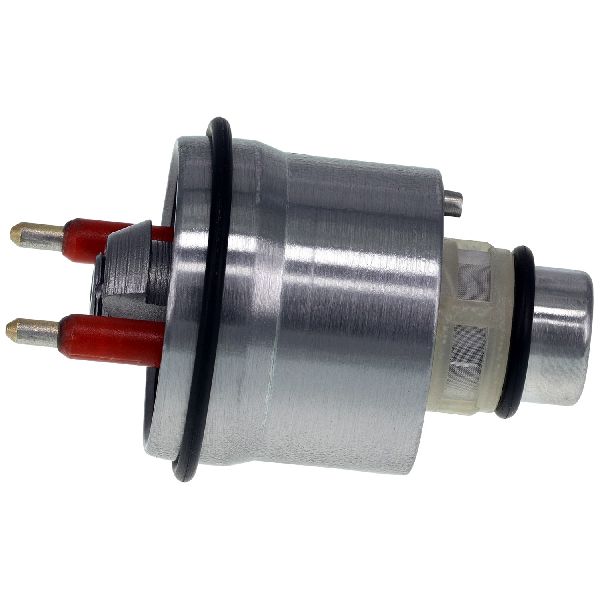
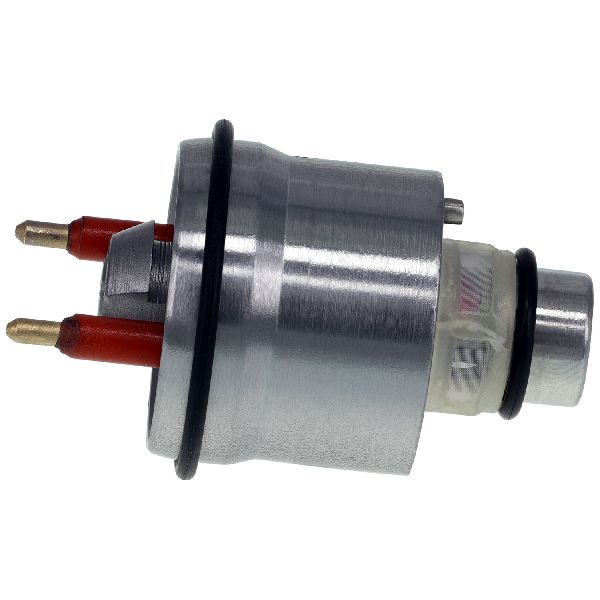
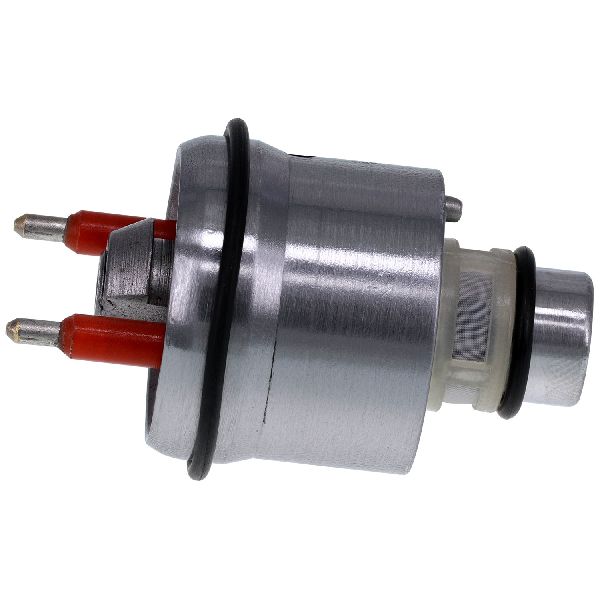
If your classic GMC van is running rough, the two fuel injectors in its TBI system are a likely cause.
- Your G2500 has two TBI injectors; they should always be replaced as a matched pair.
- A strong fuel smell is a critical symptom indicating a leak and a fire hazard that needs immediate attention.
- New injectors from a reputable brand like Delphi are a safer investment than remanufactured parts, which have reports of high failure rates.
- Always replace your fuel filter when installing new injectors to protect them from debris.
Is Your G2500's TBI System Showing Its Age?
The Throttle Body Injection (TBI) system on the 1983-1995 GMC G2500 was a reliable workhorse. However, after 30+ years of service, the two central fuel injectors can wear out. Symptoms often start small but can lead to significant running issues. If you're experiencing poor performance, it might be time for a replacement.
Top 5 Signs of Failing Fuel Injectors on a G2500:
- Rough Idle or Stalling: The most common symptom. An injector that is clogged or sticking may not deliver a consistent spray of fuel, causing the engine to idle unevenly or stall.
- Hard Starting: If an injector leaks fuel into the engine when it's off, it can cause a flooded condition that makes the van difficult to start.
- Strong Fuel Smell: A leaking injector body or a bad O-ring seal can release the smell of raw gasoline in the engine bay, which is a serious fire hazard.
- Poor Fuel Economy: An injector that is stuck open or sprays too much fuel will cause the engine to run rich, wasting gas and reducing your MPG.
- Hesitation on Acceleration: If the injectors can't deliver the right amount of fuel when you press the gas pedal, the van may hesitate or feel sluggish.
Known Issues: No Recalls, But Age is a Factor
Searches for official NHTSA recalls on fuel injectors for the 1983-1995 GMC G2500 did not return any results. The issues you may face are almost always due to the age and wear of the original components. General Motors has issued service bulletins for later model vehicles warning that installing the incorrect part number can cause fuel trim issues, so always double-check that the part fits your specific year and engine. Another bulletin notes that GM does not endorse injector cleaning as preventative maintenance, but recommends using TOP TIER detergent gasoline to prevent deposits.
Choosing the Right Aftermarket Fuel Injector
For a vehicle of this age, aftermarket parts offer excellent value. You don't necessarily need to hunt down an expensive OEM part from a dealer. However, quality varies between brands.
Brand Quality Tiers:
- Tier 1 (High Quality Aftermarket): Delphi
Delphi is a well-regarded OEM supplier and their aftermarket parts are known for quality and reliability. For a critical part like a fuel injector, choosing a new Delphi injector is a safe bet for long-term performance that meets or exceeds original specifications. - Tier 2 (Mid-Grade/Standard Replacement): Standard Ignition (SMP)
Standard Motor Products is a very common aftermarket brand. Their parts are widely available and are generally considered a decent standard replacement. While some forum users have had mixed experiences, they are a popular choice and often provide good service for daily-driven vehicles. - Tier 3 (Budget/Remanufactured): GBR Fuel Injection
GBR specializes in remanufacturing fuel injectors. This can be a budget-friendly option, but it comes with risks. Forum and user reviews are very mixed; some users report injectors failing out of the box or being stuck open, which can lead to serious engine problems like fuel washing cylinders. Others have used them without issue. This option is best for those on a tight budget who are willing to accept the potential for higher failure rates.
Pro Tip: Always Replace in Pairs
Your G2500's TBI system uses two injectors that work together. If one fails, the other is likely not far behind. To ensure a balanced fuel spray, proper engine performance, and to save you from doing the job twice, you should always replace both injectors at the same time. Also, make it a rule to replace the fuel filter whenever you replace injectors to protect your new parts from contaminants.
| Item | Estimated Cost (for two injectors) |
|---|---|
| New Aftermarket Injectors | $110 - $450 |
| Remanufactured Injectors | $60 - $150 |
| Shop Labor | $150 - $300 |
Frequently Asked Questions
How many fuel injectors does my 1983-1995 G2500 have?
If you have a gasoline engine (like the 4.3L V6, 5.0L V8, or 5.7L V8), your van has two fuel injectors. They are located together in the throttle body unit on top of the engine. Diesel models like the 6.2L V8 have a mechanical injector for each cylinder and use a different system.
Is replacing TBI injectors a DIY job?
Yes, for most people with basic mechanical skills. The injectors are easily accessible on top of the engine. The job involves removing the air cleaner, relieving fuel pressure, disconnecting the electrical connectors and fuel lines, and unbolting the injector pod. It typically takes about 1 to 2 hours.
Do I need special tools?
No highly specialized tools are needed. You will need a basic socket and wrench set, a Torx bit set (usually T20) for the injector pod screws, and possibly a tool to disconnect the fuel lines. It's also wise to have some rags to catch any spilled fuel and to stuff the throttle body openings to prevent anything from falling into the engine.
Should I buy new or remanufactured injectors?
For a critical component that can leak fuel, new is generally the safer choice. Brands like Delphi offer new injectors that provide peace of mind. Remanufactured injectors from brands like GBR are cheaper, but reviews indicate a higher risk of defects like leaking or being stuck open, which can cause bigger problems.
Technical Specifications
OEM Part Numbers: 5235305 17111774 17111864 17112493 17112494 5235206
System Type: Throttle Body Injection (TBI), Quantity: 2 per engine
We Have This Part in Stock


The information in this article is provided for general reference and educational purposes only. Vehicle specifications, procedures, and part compatibility can vary by production date, trim level, and region. Always consult your vehicle's factory service manual and verify part numbers before purchasing or performing repairs. Safety-critical components such as airbags, seat belts, and braking systems should be installed by a qualified professional.
- GMC G2500: