

Ford F-150 Starter Replacement Guide for 1983-1996 Models
Don't get stranded by a 'click no-start'—here's what you need to know about replacing the starter on your OBS Ford truck.
- Always test the fender-mounted starter relay first; it's a cheap part and a very common failure point that mimics a bad starter.
- The starter replacement is a simple DIY job, typically requiring only basic hand tools and about an hour of your time.
- Brand quality matters. Investing in a premium brand like Bosch or Denso can prevent the frustration of repeated failures common with budget options.
- Ensure your battery and cables are in good condition, as they are often the root cause of starting problems.
Is It Really Your Starter? A Word on the Fender Solenoid

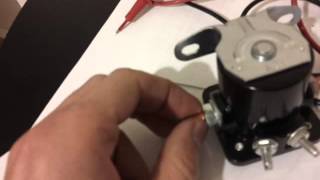
Before you spend money on a new starter, you need to know about a very common issue with 1983-1996 Ford F-150s. Many of these trucks have a small, inexpensive part on the passenger-side fender wall called a starter relay. It is often incorrectly called a solenoid. This relay is a frequent point of failure and causes the classic 'click, but no crank' symptom that many owners mistake for a bad starter.
Pro Tip: If you hear a single, loud 'click' from the fender area when you turn the key but the engine doesn't turn over, test the fender relay first. You can do this by having a helper turn the key while you check for voltage at the relay's output post. A much simpler (but use caution) method is to carefully jump the two large posts on the relay with an old screwdriver. If the engine cranks, you've found your problem: a bad relay, not a bad starter.
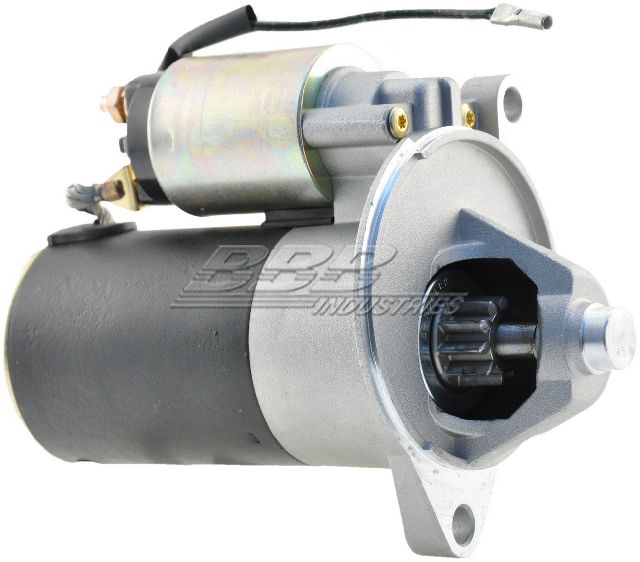
Early models in this generation (pre-1992) used this fender relay to send full power directly to the starter. Later models (around 1992 and newer) switched to a Permanent Magnet Gear Reduction (PMGR) starter, which has its own powerful solenoid on the starter body. On these trucks, the fender relay still exists, but it only acts as a low-current trigger for the starter-mounted solenoid. In either case, the fender relay can fail and prevent your truck from starting.
Common Failure Symptoms

When your F-150's starter system begins to fail, it will give you clear warning signs. Recognizing them can help you diagnose the problem correctly.
- Single Loud Click, No Crank: This is the most common symptom. It often points to a failed starter relay on the fender or a bad solenoid on the starter motor itself.
- Rapid Clicking/Chattering: If you hear a fast clicking sound when you turn the key, it's usually not the starter. This noise is typically caused by a weak battery or poor electrical connections that can't supply enough power to engage the starter.
- Whirring or Spinning Noise: If you hear the starter motor spin but the engine doesn't turn over, the starter's Bendix gear is not engaging the flywheel. This points to a failure within the starter/solenoid assembly.
- Grinding Noises: A harsh grinding sound during or after starting can mean the starter gear is not disengaging from the flywheel, or there are damaged teeth on the starter or flywheel. This can be caused by a cheap, poor-fitting starter.
- Slow Cranking: If the engine turns over very slowly, it could be a sign of a dying starter motor drawing too much current, a weak battery, or corroded cables.
Choosing the Right Aftermarket Starter

For a vehicle of this age, a new OEM Motorcraft starter is likely hard to find and expensive. Aftermarket is the most common route. However, quality varies significantly. Many forum users caution against cheap, store-brand remanufactured starters with "lifetime warranties," as the hassle of repeated replacement outweighs the benefit of a free part.
| Brand Tier | Brands | General Assessment |
|---|---|---|
| Premium | Bosch, Denso | Often original equipment suppliers for many manufacturers. Generally considered the highest quality and most reliable aftermarket options, with many truck owners seeing Denso as a worthwhile upgrade. |
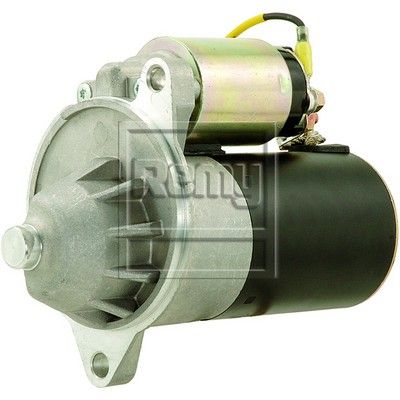
| Standard | Remy | A long-standing brand in the aftermarket with a reputation for being a solid mid-tier choice. Quality is generally considered good for the price. |
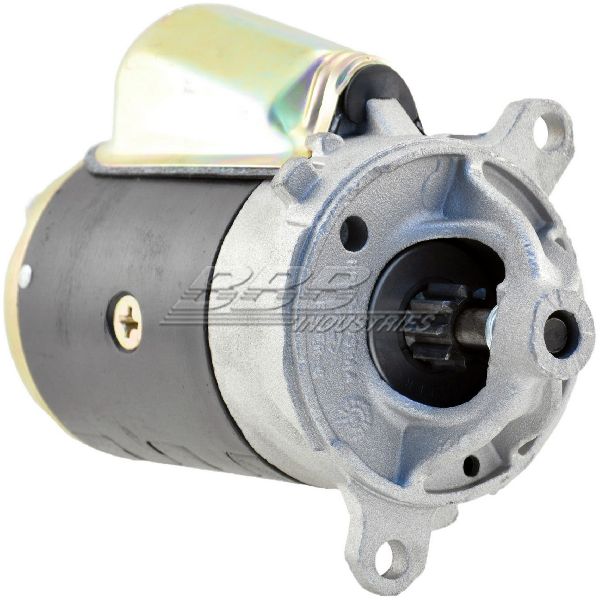
| Value / Economy | BBB Industries, WAI Global | These brands offer a cost-effective solution. BBB is a major remanufacturer for many parts stores. WAI markets its new parts as being tested to OEM specs. User reviews for both are mixed, with some experiencing early failures. |
A Note on Remanufactured vs. New: For some brands, a quality remanufactured unit (rebuilt with good components) can be better than a brand-new, cheaply made unit from an unknown factory. However, the quality of remanufactured parts can be inconsistent.
Estimated Replacement Costs

Replacing the starter on a 1983-1996 F-150 is a straightforward job. The part itself is the main expense. Labor at a professional shop is typically low due to the easy access.
| Item | Estimated Cost |
|---|---|
| New Aftermarket Starter | $83 - $208 |
| Shop Labor | $100 - $150 |
| Total Professional Replacement | $183 - $358 |
Frequently Asked Questions (FAQ)
Do I need to replace the fender relay when I replace the starter?
It's not required, but it is highly recommended. The fender-mounted starter relay is an inexpensive part and a known weak point. Replacing it at the same time as the starter is cheap insurance and can prevent a future no-start situation.
Why do some starters for my truck look different?
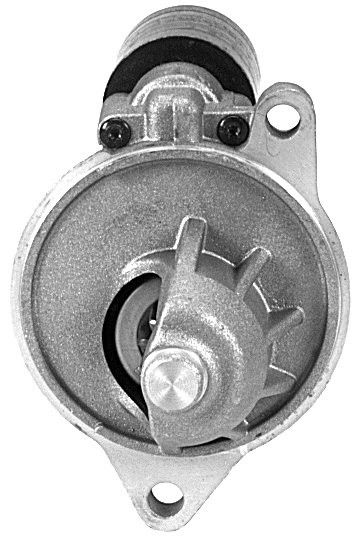
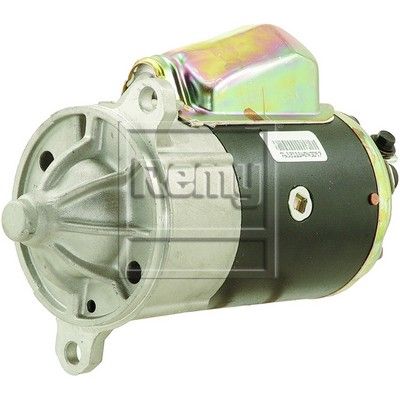
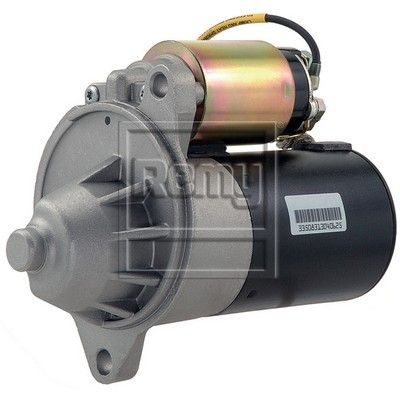
The main difference is between the older, direct-drive starters and the newer PMGR (Permanent Magnet Gear Reduction) style starters that became common around 1992. PMGR starters are smaller, lighter, and more efficient. Many aftermarket replacements for the older, larger starters are now the more modern PMGR design, which is a direct bolt-in upgrade.
My truck just clicks once. Is it the battery or starter?
A single, loud click usually means the battery is strong enough to activate the relay/solenoid, but the starter itself isn't turning. This points to the fender relay or the starter. Multiple, rapid clicks almost always indicate a weak or dead battery.
Do I need to use shims when installing the new starter?
No, Ford starters from this era are direct-mount and do not require shims for proper alignment. Shimming is a practice more common on some General Motors vehicles.
Can a bad starter drain my battery?
Yes. A failing starter with an internal short circuit or a stuck solenoid can draw current from the battery even when the truck is off, leading to a dead battery overnight. If the starter is failing and drawing excessive amperage during cranking, it can also drain a battery very quickly.
Helpful Videos
Technical Specifications
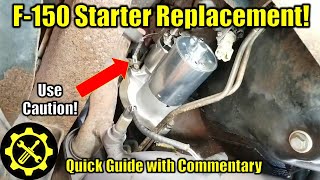
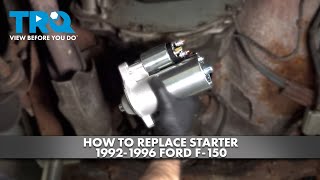
The starting system on the 1983-1996 F-150 features a unique fender-mounted starter relay across most of the generation. Around 1992, Ford began phasing in Permanent Magnet Gear Reduction (PMGR) starters, which are smaller and have an integrated solenoid, though the fender relay was retained as a trigger. When ordering, it is critical to match the new starter to your specific engine and transmission (manual and automatic starters are different), but it is not necessary to match the physical size, as many replacements are the newer, more compact PMGR style.
We Have This Part in Stock

The information in this article is provided for general reference and educational purposes only. Vehicle specifications, procedures, and part compatibility can vary by production date, trim level, and region. Always consult your vehicle's factory service manual and verify part numbers before purchasing or performing repairs. Safety-critical components such as airbags, seat belts, and braking systems should be installed by a qualified professional.
- Ford F-150: