

Ignition Knock (Detonation) Sensor Guide for 1983-1997 Chevrolet Impala
Understand, diagnose, and choose the right replacement knock sensor for your Impala to restore performance and prevent engine damage.
- A bad knock sensor will trigger a Check Engine Light (usually code P0325) and cause reduced power and poor fuel economy.
- For the 1994-1996 Impala SS (LT1), there are two sensors located on the lower sides of the engine block; it's best to replace them in pairs.
- Use a torque wrench. Incorrect torque (typically 15-18 ft-lbs) is a common cause of new sensor failure.
- Stick with trusted brands like ACDelco or Delphi for this critical sensor to ensure reliability and proper engine protection.
Is Your Impala's Knock Sensor Failing?
A bad knock sensor can cause noticeable problems. Because its job is to help the engine run optimally, a failure can lead to poor performance and potential long-term damage. The 1994-1996 Impala SS with the LT1 engine, in particular, relies on accurate sensor readings for its performance-tuned V8. Ignoring the signs can lead to a sluggish, inefficient, and unhealthy engine.
Symptoms of a Bad Knock Sensor
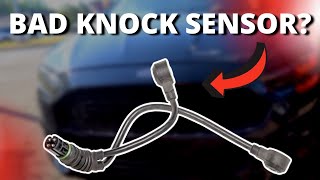
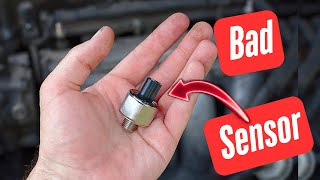
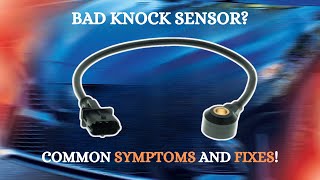
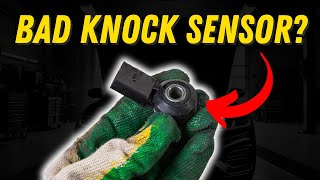
When a knock sensor fails, the engine computer can no longer detect detonation. To protect the engine, it will often default to a 'safe' mode, which retards ignition timing. This results in 🎬 Watch: A breakdown of common bad knock sensor symptoms. several symptoms:
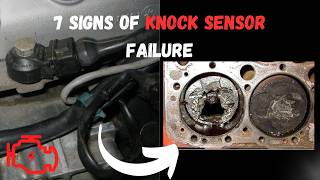
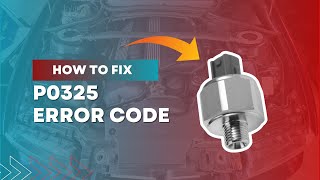
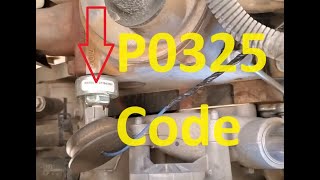
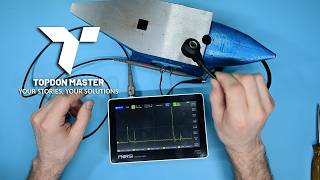
- Check Engine Light: This is the most common sign. The computer will store a trouble code, most often P0325, indicating a circuit malfunction. 🎬 See how to diagnose a P0325 trouble code.
- Reduced Power and Acceleration: Your Impala may feel sluggish or slow to respond because the computer has pulled back the ignition timing to prevent potential damage.
- Worse Fuel Economy: An engine running in 'safe' mode is less efficient, leading to more trips to the gas pump.
- Engine Pinging or Knocking: You might hear a metallic pinging sound, especially when the engine is under load (like going up a hill). This is the detonation that the faulty sensor is failing to detect and correct.
A Note on Wiring
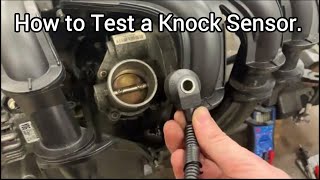
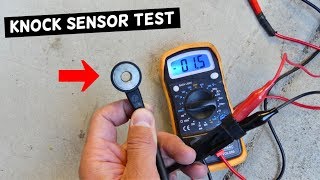
Sometimes the sensor itself is fine, but the wiring is the problem. On older vehicles like the 1983-1997 Impala, wiring can become brittle, corroded, or damaged. One owner reported that a persistent knock sensor error was resolved by replacing the wiring sub-harness. Always inspect the connector and wires for damage before replacing the sensor itself.
Choosing the Right Aftermarket Knock Sensor
For a critical sensor like this, brand quality matters. While OEM is the benchmark, several aftermarket brands offer a reliable alternative. Here’s how they generally stack up for your Impala:
Tier 1: OEM & Premium Aftermarket
- ACDelco: As the original equipment (OE) supplier for GM, ACDelco is the gold standard for fit, form, and function. If you want to guarantee compatibility and performance, this is the top choice.
- Delphi: Delphi was once part of GM and is widely considered an OE-quality brand for electronics. Forum users often consider Delphi and ACDelco to be interchangeable in terms of quality for sensors.
Tier 2: Reputable Aftermarket
- NGK/NTK: Known for their ignition components, NTK (an NGK brand) produces quality sensors that are a solid choice for daily drivers.
- Standard Ignition (SMP): A long-standing brand in the aftermarket, Standard Motor Products generally offers reliable parts.
- Walker Products: Another established aftermarket manufacturer with a reputation for producing dependable sensors.
Tier 3: Economy Brands
- Global Parts, Holstein, True Tech: These brands provide a budget-friendly option. While they can work, some forum discussions express caution with lesser-known sensor brands, citing a higher risk of premature failure or incorrect readings. For a sensor that plays a key role in engine protection, sticking with a more reputable brand is often worth the small price difference.
Torque Specification is Critical
The knock sensor works by detecting vibrations. If it's too tight or too loose, it can't 'hear' the engine correctly. This can lead to false readings or a failure to detect real knock. Always use a torque wrench and tighten the sensor to the factory specification, which is typically around 15-18 ft-lbs for these engines.
Cost of Replacing an Impala Knock Sensor
| Part Type | Estimated Cost |
|---|---|
| New Aftermarket Sensor | $39.80 - $66.90 |
| New OEM (ACDelco) Sensor | $38 - $60 |
| Shop Labor | $90 - $150 |
Frequently Asked Questions
Where is the knock sensor located on my 1983-1997 Impala?
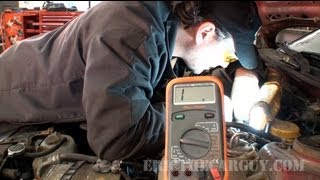
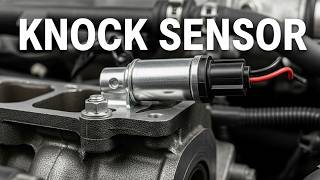
The location varies slightly by engine. On the 1994-1996 Impala SS with the LT1 V8, there are two knock sensors. They are threaded into the sides of the engine block, just above the oil pan rail. One is on the driver's side, and the other is on the passenger's side, often near the starter. 🎬 Watch: LT1 knock sensor removal and installation walkthrough. On earlier models, it is typically in a similar location on the engine block.
Can I drive my Impala with a bad knock sensor?
Yes, but it is not recommended for long. The engine computer will go into a 'limp' or safe mode, reducing power and fuel economy to protect the engine. Continuing to drive, especially if you hear an audible knocking sound, risks causing severe and expensive engine damage.
Do I need to replace both knock sensors on my LT1 Impala SS?
It is highly recommended. The sensors are the same age and have been exposed to the same conditions. If one has failed, the other is likely not far behind. Replacing them in pairs ensures the system is balanced and saves you from having to do the job twice.
Are there any recalls for the knock sensor on my Impala?
No. Searches of the National Highway Traffic Safety Administration (NHTSA) database show no recalls specifically for the ignition knock sensor on 1983-1997 Chevrolet Impalas.
Helpful Videos
Technical Specifications
OEM Part Numbers: 213-96
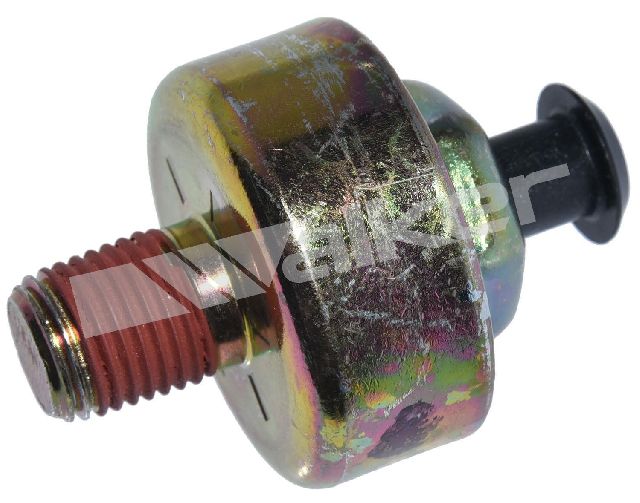
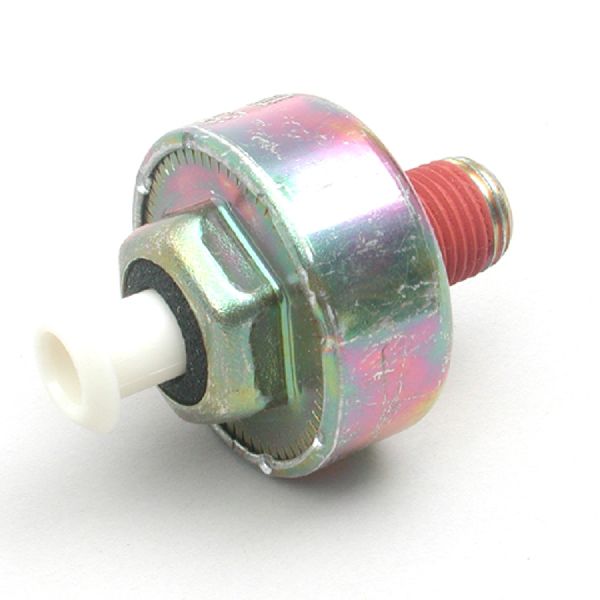
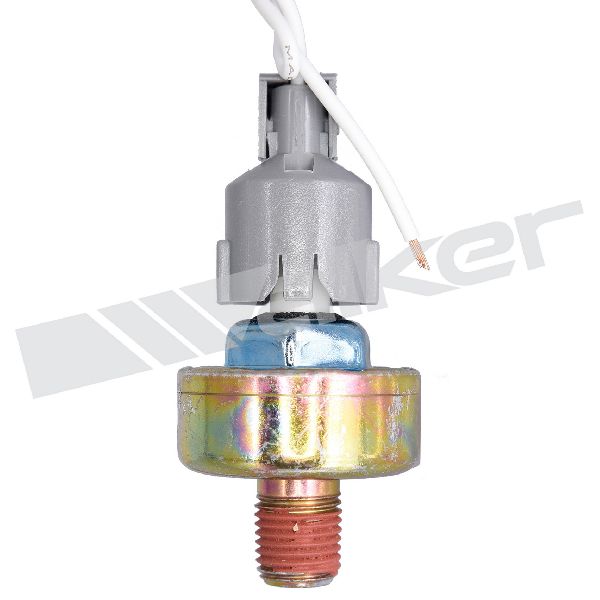
The knock sensor for the 1994-1996 Impala SS (LT1) is a screw-on type with a single male terminal. The 1996 model uses an OBD-II specific sensor. The 1983-1985 models also use a single-wire sensor.
We Have This Part in Stock


The information in this article is provided for general reference and educational purposes only. Vehicle specifications, procedures, and part compatibility can vary by production date, trim level, and region. Always consult your vehicle's factory service manual and verify part numbers before purchasing or performing repairs. Safety-critical components such as airbags, seat belts, and braking systems should be installed by a qualified professional.
- Chevrolet Impala:
- 🎬 Helpful Videos
- 🛍️ Shop This Part
- Is Your Impala's Knock Sensor Failing?
- Symptoms of a Bad Knock Sensor
- A Note on Wiring
- Choosing the Right Aftermarket Knock Sensor
- Tier 1: OEM & Premium Aftermarket
- Tier 2: Reputable Aftermarket
- Tier 3: Economy Brands
- Torque Specification is Critical
- Cost of Replacing an Impala Knock Sensor
- Frequently Asked Questions
- 🎟️ Get 5% Off