

Chevrolet Impala 1983-1997 Starter Motor: A Guide to Replacement
Don't get stranded; learn how to spot a failing starter and pick the best new part for your Impala.
- Always test the battery and check cable connections first; these are common failure points that mimic a bad starter.
- For 1994-1996 Impala SS models with the LT1 engine, starter 'heat soak' is a common issue. A heat shield or a high-torque starter can be a permanent solution.
- If your old starter used shims for alignment, be sure to transfer them to the new starter to prevent gear damage.
- For a balance of reliability and value, an ACDelco Professional or Gold series starter is a strong choice for daily drivers.
Is Your Impala's Starter Failing?
A failing starter rarely dies without warning. Recognizing the early symptoms can save you from being stranded. If your 1983-1997 Impala is showing signs of a weak start, it's time to pay attention. The most common issues are often simple and easy to spot once you know what to look for.
Common Failure Symptoms:
- Slow Engine Crank: When you turn the key, the engine turns over sluggishly, like the battery is weak.
- Single Loud Click: You hear a single, sharp "click" when you turn the key, but the engine doesn't crank. This often points to a bad starter solenoid or motor.
- Rapid Clicking Noise: A fast clicking sound usually indicates a weak battery that doesn't have enough power to engage the starter, but it can sometimes be a starter issue.
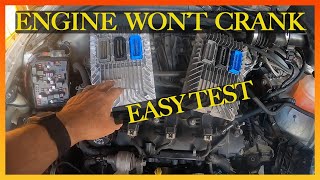
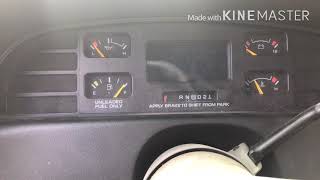
- No Sound at All: Complete silence when turning the key could be a dead battery, a bad ignition switch, or a completely failed starter. 🎬 Watch: Troubleshooting a no-start condition on your Impala
- Grinding Noise: A grinding sound during or after the engine starts can mean the starter gear is damaged or not disengaging from the flywheel correctly.
- Intermittent Starting: The car starts fine one day but fails to crank the next. This is a classic sign of a starter on its way out.
A Common Problem: Starter Heat Soak
A well-known issue on these GM vehicles, especially those with V8 engines like the LT1 in the 1994-1996 Impala SS, is "heat soak." This happens when the starter gets too hot from the nearby exhaust manifold. The heat increases electrical resistance, preventing the starter from working when the engine is hot. After cooling down for 15-30 minutes, the car will often start normally. If you experience this, consider an aftermarket heat shield or a high-torque gear-reduction starter, which can often overcome the issue.
🎬 See how to fix common LT1 starter heat soakChoosing the Right Aftermarket Starter
When it's time to replace your starter, you have several options. For the 1983-1997 Impala, the aftermarket offers everything from standard replacements to performance upgrades.
Brand Tiers for Your Impala:
- OEM-Equivalent (ACDelco): ACDelco is GM's parts brand and is considered the benchmark for quality and fit. Their Professional or Gold series parts offer reliability that is as good as or better than the original part that came on your car. For a daily driver or a restoration project, ACDelco is a safe and dependable choice.
- Performance (Powermaster, Proform): Brands like Powermaster and Proform specialize in high-performance starters. These are often "mini starters" that are smaller, lighter, and provide more cranking torque than the bulky original units. They are an excellent upgrade for high-compression engines or for solving heat soak problems, as their gear-reduction design requires less power to turn the engine over.
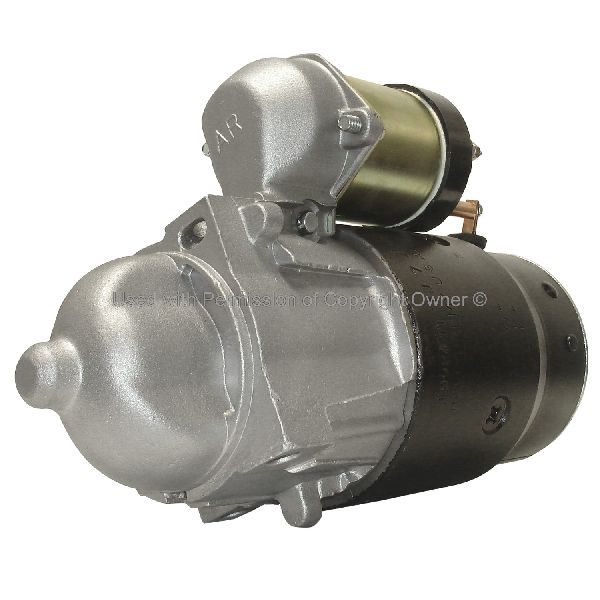
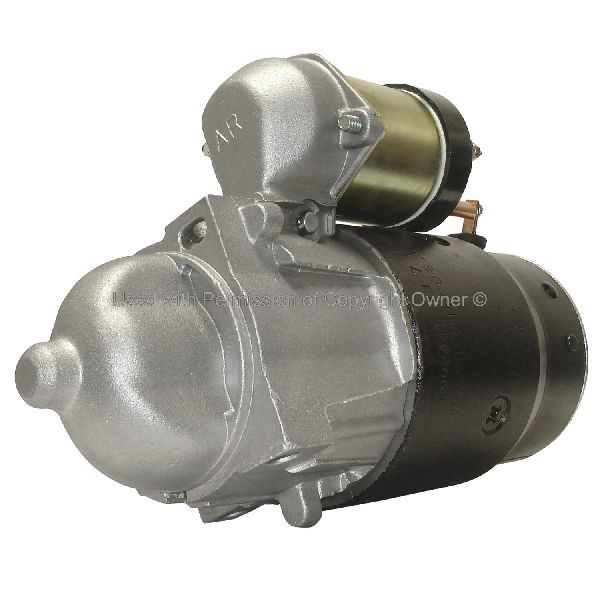
- Standard Aftermarket (MPA): Brands like MPA (Motor Parts of America) provide a cost-effective solution. These starters meet original equipment specifications and are a good option for budget-conscious repairs, though long-term durability may vary compared to premium or performance brands.
Starter Replacement Cost
The cost to replace a starter motor in a 1983-1997 Impala can vary. The parts themselves are relatively affordable, but labor can add to the total cost if you have a mechanic do the work.
| Item | Estimated Cost |
|---|---|
| New Aftermarket Starter | $72 - $385 |
| Shop Labor | $140 - $205 |
| Total Professional Replacement | $212 - $590 |
Note: Prices are estimates and can vary based on your location, vehicle condition, and the specific brand of part chosen. The cost for a 1994-1996 Impala starter replacement is estimated between $386 and $837 including parts and labor.
Frequently Asked Questions
Can I replace the starter myself?
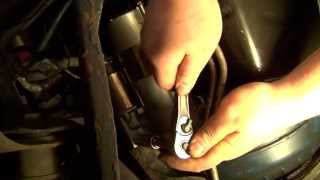
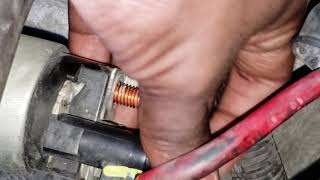
Yes, for most DIY mechanics, this is a manageable job. The starter on a 1983-1997 Impala is typically held on by two bolts and is accessible from under the vehicle. The process involves disconnecting the battery, safely raising the vehicle, removing the electrical connections and mounting bolts, and swapping the starter. It usually takes 1-2 hours.
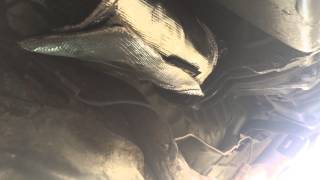
🎬 Watch this step-by-step Impala SS starter replacement guideDo I need a special high-torque starter?
For a stock engine, a standard replacement starter is usually sufficient. However, if you have a modified high-compression engine or experience hot-start (heat soak) issues, a high-torque mini-starter from a brand like Powermaster is a worthwhile upgrade.
What's the difference between a new and a remanufactured starter?
A new starter is made from all-new components. A remanufactured starter has been disassembled, cleaned, and rebuilt with worn or failed components replaced with new ones. Quality remanufactured starters (like those from ACDelco) can be a reliable, cost-effective option, but some owners prefer the peace of mind of a brand-new unit.
Do I need to use shims when installing the new starter?
Sometimes. GM starters of this era occasionally used thin metal shims to achieve the correct distance between the starter gear and the flywheel. If your old starter had shims, you should start by installing the new one with the same shims. If you hear a grinding noise, you may need to add or remove shims to get the proper clearance.
Helpful Videos
Technical Specifications
OEM Part Numbers: 19135433 88877115
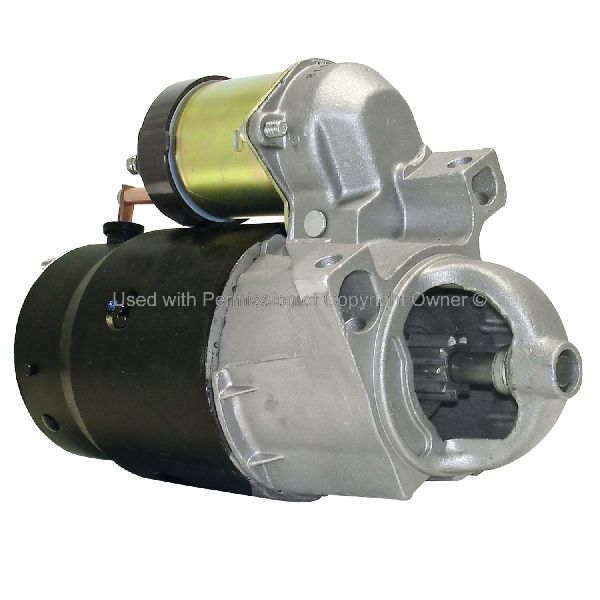
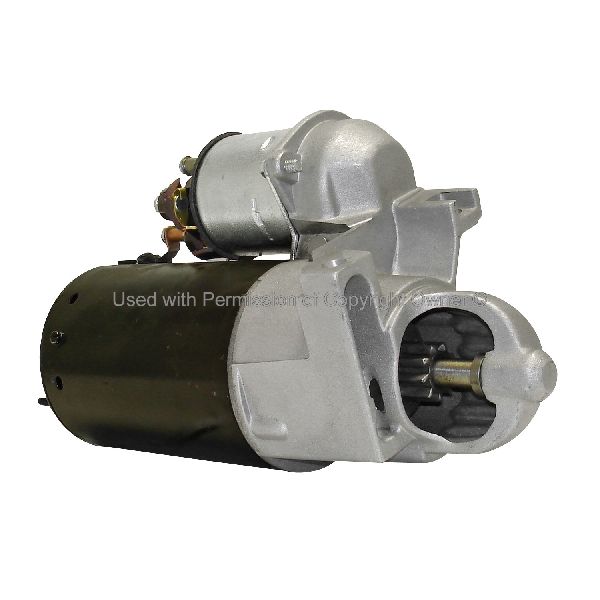
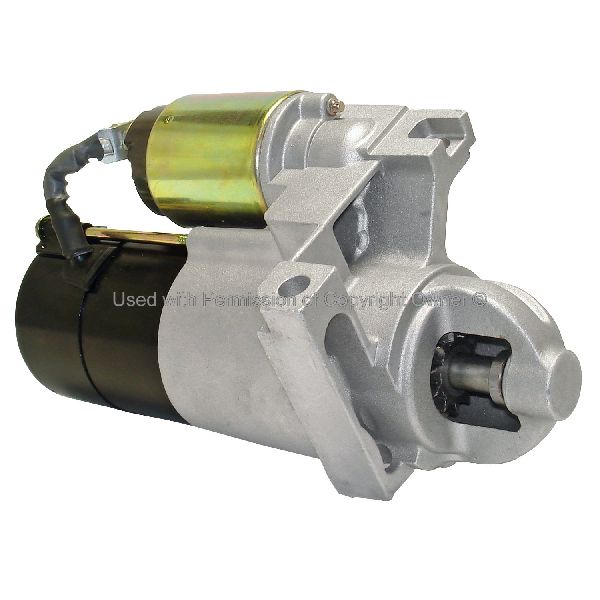
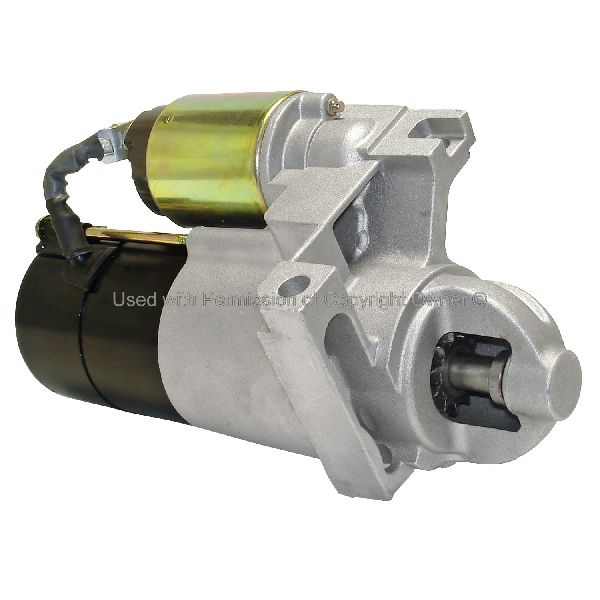
Most 1983-1997 Impalas use a direct-drive starter with a 9-tooth pinion gear. V8 models, particularly the 1994-1996 LT1, use a starter with staggered bolts. V6 models may use a straight-across bolt pattern. High-torque, gear-reduction mini-starters are a popular upgrade. Always verify the bolt pattern and flywheel tooth count (typically 153 or 168 teeth for small block Chevy engines) before purchasing.
We Have This Part in Stock

The information in this article is provided for general reference and educational purposes only. Vehicle specifications, procedures, and part compatibility can vary by production date, trim level, and region. Always consult your vehicle's factory service manual and verify part numbers before purchasing or performing repairs. Safety-critical components such as airbags, seat belts, and braking systems should be installed by a qualified professional.
- Chevrolet Impala: