

A Ford Ranger Owner's Guide to Replacing 1983-1997 Rear Brake Drums
Stop the guesswork and choose the right rear brake drums for your first-generation Ford Ranger.
- You MUST confirm if your Ranger has 9-inch or 10-inch rear drums before ordering parts.
- Always replace brake drums, shoes, and hardware in pairs to ensure safe, balanced braking.
- Mid-tier aftermarket brands like Raybestos, Centric, and Bendix offer a great combination of quality and value for this truck.
- Always clean the protective oil coating from new drums with brake cleaner before installation.
Signs of a Worn Brake Drum


Brake drums wear out over time. The inside surface gets worn down by the brake shoes. When they get too thin, they can't handle the heat and might not stop you safely. Look for these common symptoms:
- Pulsing Brake Pedal: If you feel a pulsing or vibration from the rear when you brake, the drum might be warped or "out-of-round." This is a very common issue, especially with cheaper drums.
- Scraping or Grinding Noises: A loud metal-on-metal grinding sound means your brake shoes are completely worn out and are digging into the drum surface, ruining it.
- Poor Parking Brake: If your parking brake doesn't hold the truck firmly, it could be a sign that the drums are worn out and the shoes have to travel too far to make contact.
- Reduced Stopping Power: If your truck takes longer to stop or the pedal feels soft, worn drums could be part of the problem.
The Biggest Mistake: Ordering the Wrong Size
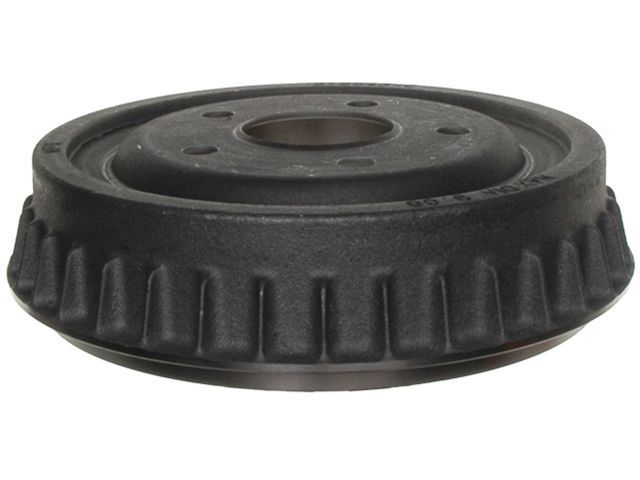
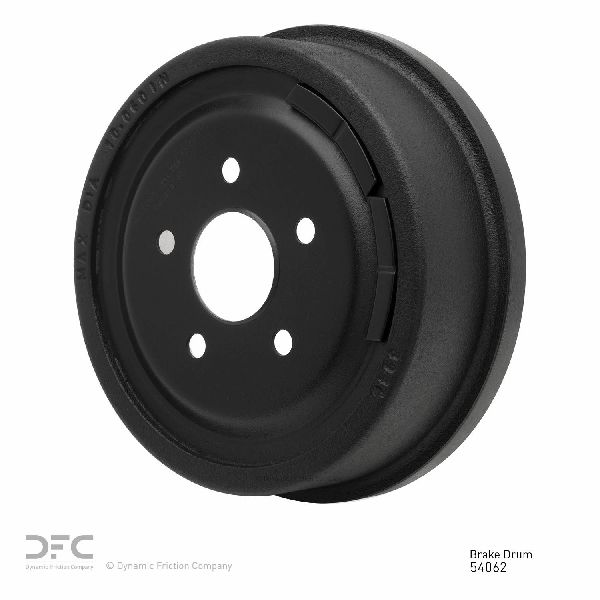
The most important thing to know is that 1983-1997 Rangers came with two different drum sizes: 9-inch and 10-inch. Ordering the wrong one is the most common mistake. Generally, trucks with 4.0L engines, 4x4, or a higher Gross Vehicle Weight Rating (GVWR) used the larger 10-inch drums. However, the only way to be 100% sure is to take off the old drum and measure the inside diameter. Some drums may have the size stamped on the outside.
Choosing the Right Aftermarket Brake Drum

You don't need to buy original Ford parts for your Ranger. Aftermarket brands offer good quality, often for less money. Here’s how the common brands stack up based on owner experiences and general reputation.
Brand Quality Tiers
- Premium Brands (Bendix, Raybestos, Centric): These brands are well-respected and a solid choice for a balance of quality and price. Raybestos and Centric are frequently recommended by Ranger owners and mechanics for good fit and performance. Bendix is a long-standing brand known for quality parts. These are a great option if you want peace of mind without paying for a dealer part.
- Standard Brands (ACDelco, Dynamic Friction): These are reliable, OE-quality replacement parts. ACDelco is GM's parts division, but they make quality components for many vehicles. They often have different quality levels, so be aware if you are buying an economy line like ACDelco Silver. These brands are perfect for a daily driver.
- Economy Brands (Pronto): Economy brands meet basic requirements and are the most affordable. However, some owners report issues with cheaper drums being unbalanced or out-of-round from the factory, which can cause vibrations. If you are on a tight budget, they will work, but inspect them carefully before installation.
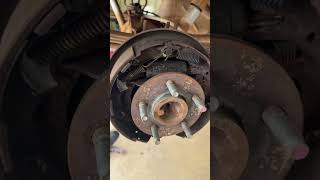
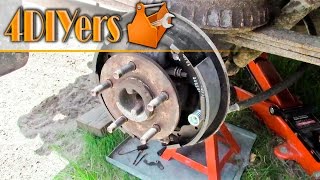
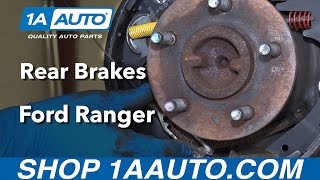
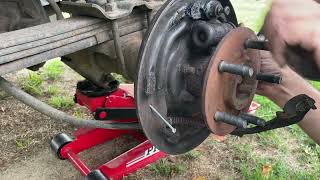
Pro Tip: No matter which brand you buy, always clean the inside surface of the new drums 🎬 See a DIY guide for replacing your Ranger's drum brakes. with brake cleaner before you install them. They come with a thin oil coating to prevent rust during shipping, and this coating will ruin your new brake shoes if not removed.
Cost to Replace Ford Ranger Brake Drums

| Part Type | Estimated Cost (Pair) |
|---|---|
| New Aftermarket Drums | $59 - $108 |
| New OEM (Motorcraft) Drums | $140 - $320 |
| Brake Shoes & Hardware Kit | $40 - $90 |
| Shop Labor (Drums & Shoes) | $150 - $300 |
| Total Professional Job | $250 - $500 |
Frequently Asked Questions

Do I have to replace brake drums in pairs?
Yes. Always replace brake drums and brake shoes in pairs (both rear wheels at the same time). This ensures your braking is even and balanced. Replacing only one side can cause the truck to pull to one side when you brake.
Can I just replace the brake shoes and not the drums?
You can, but only if the old drums are in good condition and within the maximum diameter specification (stamped on the drum). If the drum surface is grooved, has hard spots, or is warped, you must replace it. Given the low cost of new drums, it's usually best to replace the drums and shoes together 🎬 Watch this complete rear drum brake job walkthrough. for a complete and reliable repair.
What are the 9-inch and 10-inch drum differences?
The 9-inch drum was the standard size for most light-duty Rangers. 🎬 Watch a demonstration of the 9-inch drum brake service. The 10-inch drum was used for heavy-duty applications, often found on 4x4 models, trucks with the 4.0L V6, or those with a limited-slip differential. The 10-inch system provides more braking surface for better performance under heavier loads. You cannot swap between the two sizes without changing other brake components.
Were there any recalls on 1983-1997 Ranger brake drums?
No. Searches of the National Highway Traffic Safety Administration (NHTSA) database and other sources did not find any recalls or technical service bulletins (TSBs) specifically for brake drums on the 1983-1997 Ford Ranger. Recalls you may see online are for newer models with different brake systems.
Helpful Videos
Technical Specifications
OEM Part Numbers: MB3C-1126-BA
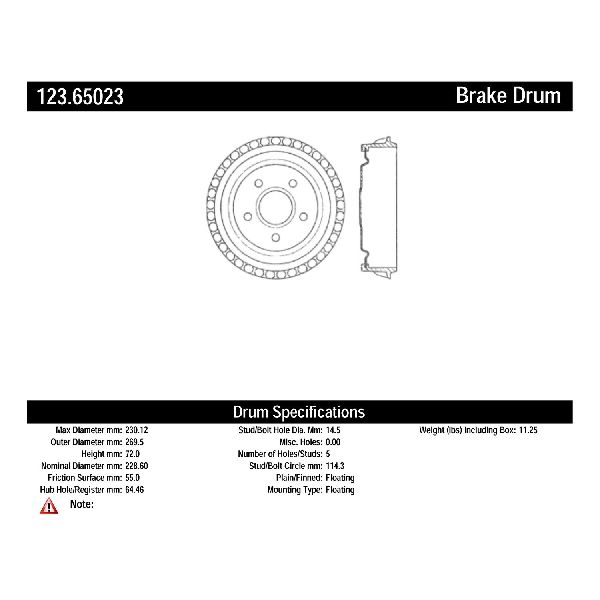
Available Sizes: 9-inch or 10-inch internal diameter. Bolt Pattern: 5 lug, 4.50 inch (114.3mm) bolt circle.
We Have This Part in Stock

The information in this article is provided for general reference and educational purposes only. Vehicle specifications, procedures, and part compatibility can vary by production date, trim level, and region. Always consult your vehicle's factory service manual and verify part numbers before purchasing or performing repairs. Safety-critical components such as airbags, seat belts, and braking systems should be installed by a qualified professional.
- Ford Ranger: