

Ford Ranger Radius Arm Bushing Guide (1983-1997)
Everything you need to know about replacing your Ranger's radius arm bushings.
- A clunking noise from the front end is the most common symptom of a bad radius arm bushing.
- Choose rubber bushings for a quiet, comfortable ride or polyurethane for durability and performance.
- An alignment is necessary after replacing the bushings to prevent tire wear and handling issues.
- Rusted bolts and factory rivets on the mounting brackets are the biggest challenges during replacement.
Signs of a Bad Radius Arm Bushing

When radius arm bushings wear out, they can cause a number of noticeable problems. The original rubber bushings can crack, rot, or get squashed over time, leading to excessive movement in the suspension. Here’s what to look and listen for:
Common Failure Symptoms
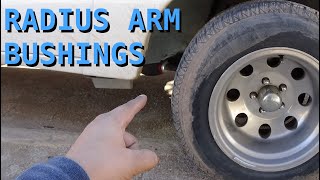
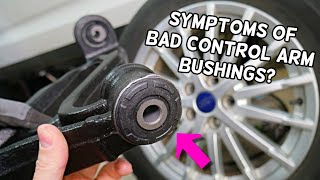
- Clunking or Popping Noises: You might hear a distinct "clunk" or pop from the front end when going over bumps, turning at low speeds, or shifting from drive to reverse. This is often the most obvious sign. 🎬 Watch: See and hear these common failure symptoms in action.
- Steering Wander: The truck may feel like it's wandering on the road, requiring constant steering corrections to stay straight. This happens because the worn bushings allow the wheel alignment (specifically caster and toe) to change as you drive.
- Uneven Tire Wear: Badly worn bushings can lead to cupping or other unusual wear patterns on your front tires.
- Braking Instability: You might feel a clunk or a shudder when you apply the brakes, as the worn bushings allow the axle to shift.
Choosing the Right Aftermarket Bushing

You have two main choices for aftermarket radius arm bushings: standard rubber or performance polyurethane. Neither is strictly better; they just offer different trade-offs.
Material Types: Rubber vs. Polyurethane
Standard Rubber (OEM Style):
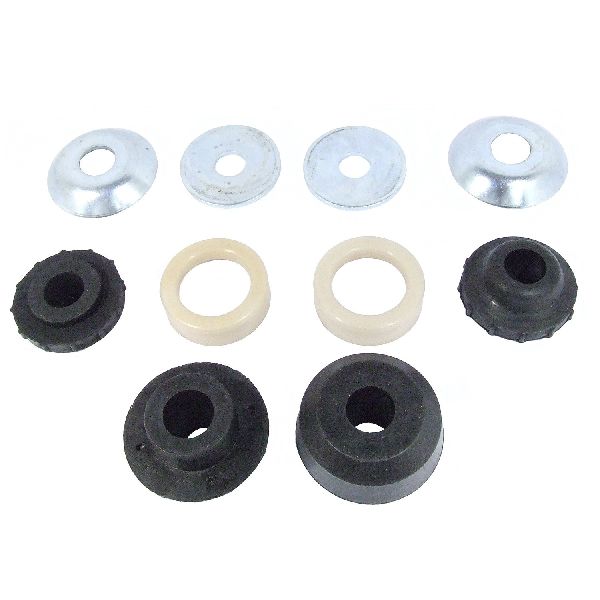
- Pros: Provides a smoother, quieter ride, similar to the original factory feel. They are better at absorbing vibrations and road noise. Brands like Dorman and Delphi offer reliable OEM-style rubber replacements.
- Cons: Rubber is softer and will wear out faster than polyurethane. It's susceptible to rot, heat, and chemicals.
Polyurethane:
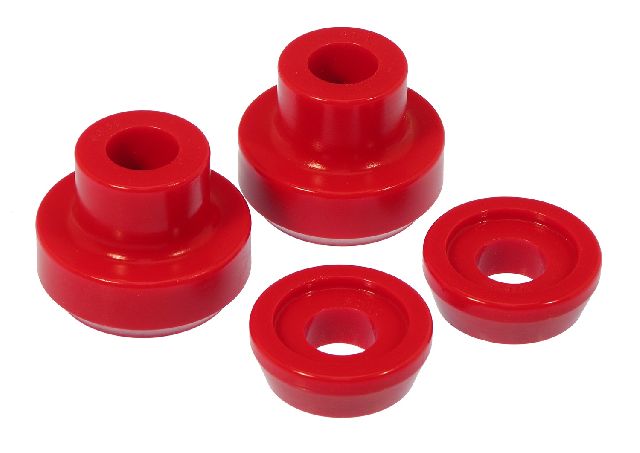
- Pros: Much more durable and longer-lasting than rubber. The stiffer material improves steering response and helps maintain proper alignment under stress, which is great for performance or off-road use. Popular brands include Energy Suspension and Prothane.
- Cons: The ride is noticeably firmer and you may feel more road vibrations. If not installed correctly with the supplied grease, they can squeak.
Pro Tip: For a daily driven truck where comfort is a priority, stick with high-quality rubber bushings. For a work truck, off-road build, or if you want sharper handling and longevity, polyurethane is an excellent upgrade.
Aftermarket Brand Tiers

| Tier | Brands | Material | Best For |
|---|---|---|---|
| Economy / Standard Replacement | Replacement, Dorman | Rubber | Budget-friendly, stock-like ride. |
| Premium / OEM Quality | Delphi, Skyjacker (often included in lift kits) | Rubber | A comfortable, quiet ride with good durability. |
| Performance / Heavy Duty | Energy Suspension, Prothane | Polyurethane | Maximum durability, improved handling, and off-road use. |
Frequently Asked Questions (FAQ)

Do I need an alignment after replacing radius arm bushings?
Yes. Replacing the radius arm bushings will affect your front-end alignment, specifically the caster and toe. It is highly recommended to get a professional alignment after the job is done to ensure proper handling and prevent tire wear.
What is harder: replacing rubber or polyurethane bushings?
The removal of the old bushings is the hardest part of the job for both types. Installation is similar, but polyurethane bushings often require special attention to greasing to prevent future squeaks. The biggest challenge for either is often dealing with large, rusted nuts and bolts.
Should I get red or black polyurethane bushings?
For brands like Prothane and Energy Suspension, the color typically does not indicate a difference in performance or material stiffness. Some black polyurethane bushings contain graphite, which is said to help prevent squeaking, but proper lubrication during installation is the most important factor.
Do I have to remove the whole radius arm to change the bushings?
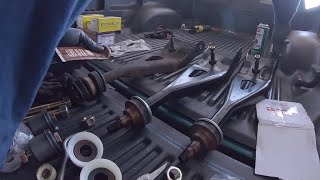
Not always. On many Rangers, you can unbolt the radius arm bracket from the frame to get enough access to change the bushings. Some brackets are riveted from the factory and must be cut or drilled out and replaced with bolts. 🎬 See this walkthrough on replacing bushings by unbolting the bracket. Alternatively, you can disconnect the arm at the axle, but this is often more work.
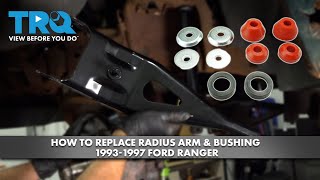
🎬 Watch: A complete DIY guide to replacing radius arms and bushings.Helpful Videos
Technical Specifications
OEM Part Numbers: C5TZ3B203C C5TZ3B203B D5TZ3B203C
Fits 1983-1997 Ford Ranger 2WD and 4WD models with Twin I-Beam or Twin Traction Beam front suspension.
We Have This Part in Stock

The information in this article is provided for general reference and educational purposes only. Vehicle specifications, procedures, and part compatibility can vary by production date, trim level, and region. Always consult your vehicle's factory service manual and verify part numbers before purchasing or performing repairs. Safety-critical components such as airbags, seat belts, and braking systems should be installed by a qualified professional.
- Ford Ranger: