

GMC K1500 Oxygen Sensor Guide for 1983-1999 Models
Restore your truck's fuel economy and performance by choosing the right oxygen sensor.
- First, confirm your truck's year: 1983-1995 models usually have one sensor, while 1996-1999 models have up to four.
- Stick to trusted brands like ACDelco, Denso, or NGK/NTK for reliability and to avoid replacing the part twice.
- Always apply a small amount of the included anti-seize compound to the new sensor's threads to make future replacement easier.
- Replacing a bad O2 sensor is a cost-effective way to restore fuel economy and prevent expensive damage to your catalytic converter.
Is Your K1500 an OBD-I or OBD-II Truck?
The most important factor when buying an oxygen sensor for your K1500 is the model year. The system changed significantly in 1996.
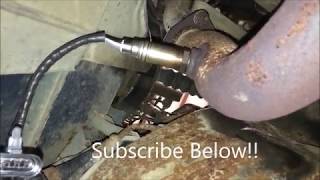
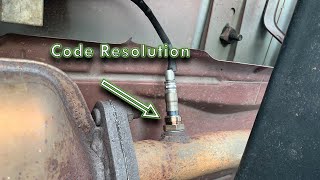
- 1983-1995 (OBD-I): These trucks have a simpler system and typically use only one oxygen sensor. It is located "upstream" before the catalytic converter, often in the exhaust pipe where the two sides merge into one. Early models may use a simple 1-wire unheated sensor, while later years (around 1993-1995) often use a 3-wire heated sensor for quicker and more accurate readings. You must match the number of wires on your original sensor. 🎬 See this guide on what each sensor wire is for.
- 1996-1999 (OBD-II): These trucks have a more complex, modern system. V8 models usually have four oxygen sensors. There are two "upstream" sensors (Bank 1 Sensor 1 and Bank 2 Sensor 1) located in the exhaust manifolds before the catalytic converters; these are critical for controlling the engine's air-fuel mixture. There are also two "downstream" sensors (Bank 1 Sensor 2 and Bank 2 Sensor 2) located after the catalytic converters; their job is to monitor the converters' efficiency for emissions control.
Symptoms of a Failing Oxygen Sensor
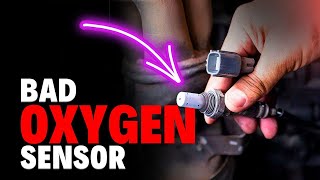
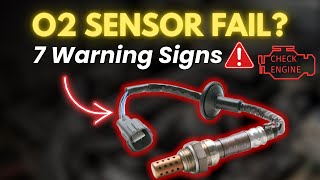
A bad O2 sensor can make your truck run poorly. The most obvious sign is a Check Engine Light on your dashboard. Other common symptoms include:
- Noticeably worse gas mileage.
- A rough or unsteady idle.
- Sluggish acceleration or general loss of power.
- Engine hesitation or misfiring.
- A "rotten egg" smell from the exhaust or black smoke.
- Failing a state emissions test.
Don't Ignore a Bad Sensor
Driving for too long with a faulty oxygen sensor can cause unburned fuel to enter the exhaust, which can overheat and permanently damage your catalytic converter—a much more expensive repair.
Choosing the Right Aftermarket Oxygen Sensor
For a vehicle of this age, aftermarket parts offer excellent value. However, quality varies significantly between brands. Based on owner feedback in truck forums, not all sensors are created equal.
Tier 1: OEM Quality & Highly Recommended
These brands are either the original equipment manufacturer or have a strong reputation for reliability in GMT400 trucks. Spending a little more here can prevent you from having to do the job twice.
- ACDelco: This is the original GM parts brand. Choosing ACDelco ensures you are getting a part designed specifically for your truck.
- Denso: A well-respected Japanese parts manufacturer, often an OEM supplier for many car brands, including GM. Owners report excellent results and reliability with Denso sensors.
- NGK / NTK: NGK (under the NTK brand for sensors) is another top-tier OEM supplier. They are known for quality and are a trusted choice for these trucks.
Tier 2: Reliable Aftermarket Options
These brands are established aftermarket manufacturers that provide a good balance of quality and price.
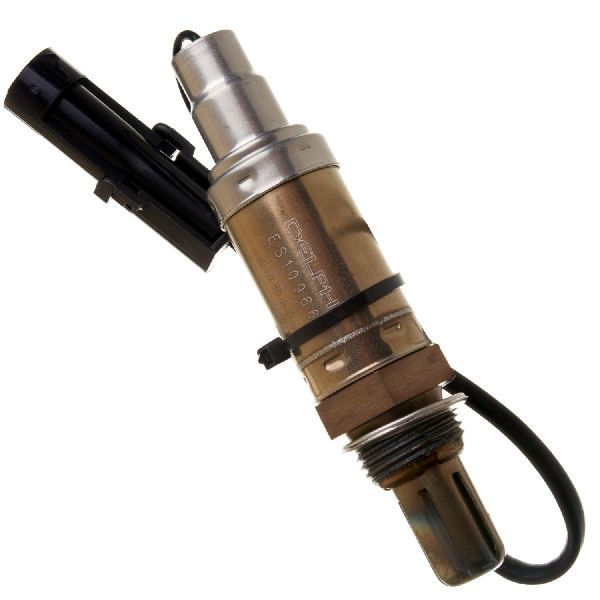
- Delphi: Formerly a part of GM, Delphi has a long history of making quality electronic parts.
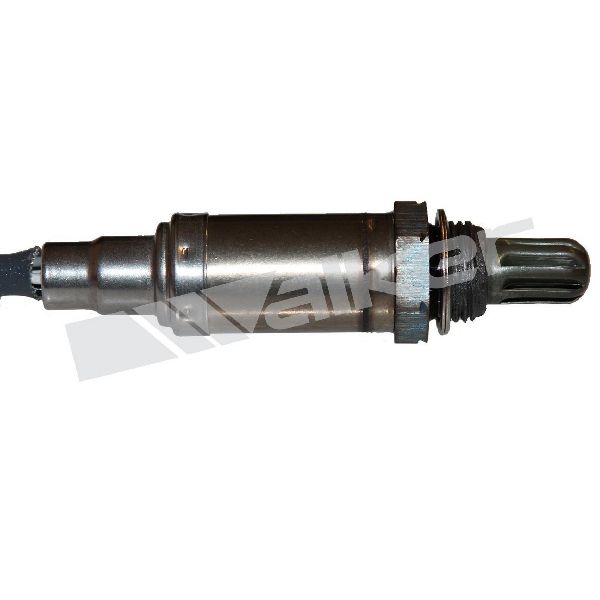
- Walker Products: A well-known name in exhaust components, offering direct-fit sensors.
Tier 3: Budget Options (Use with Caution)
While the price is tempting, some brands have mixed reviews from K1500 owners.
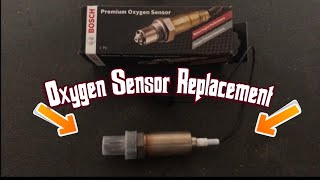
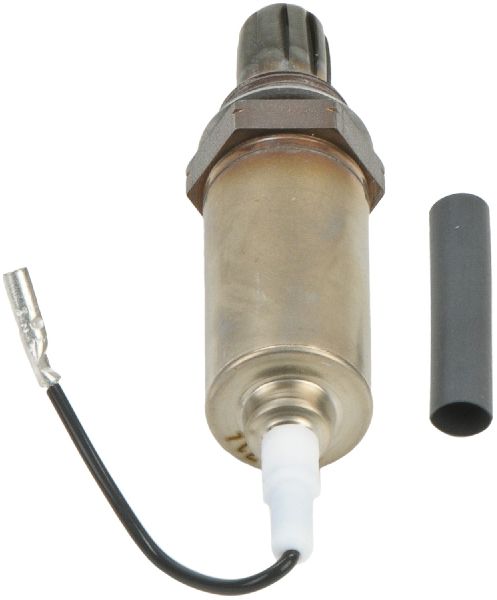
- Bosch: While a major parts supplier, many GM truck owners have reported issues with Bosch narrowband O2 sensors, including premature failure and persistent check engine lights.
- Store Brands / Economy Lines: Very cheap, unbranded sensors are known to have a high failure rate. It's often best to avoid them.
Check Your Connectors!
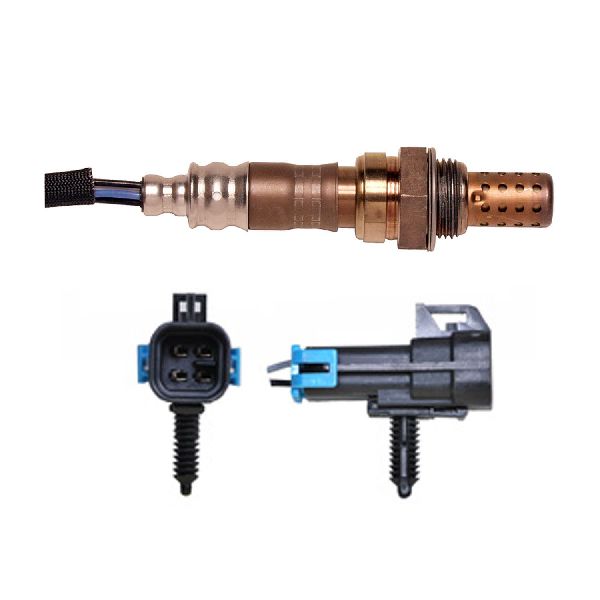
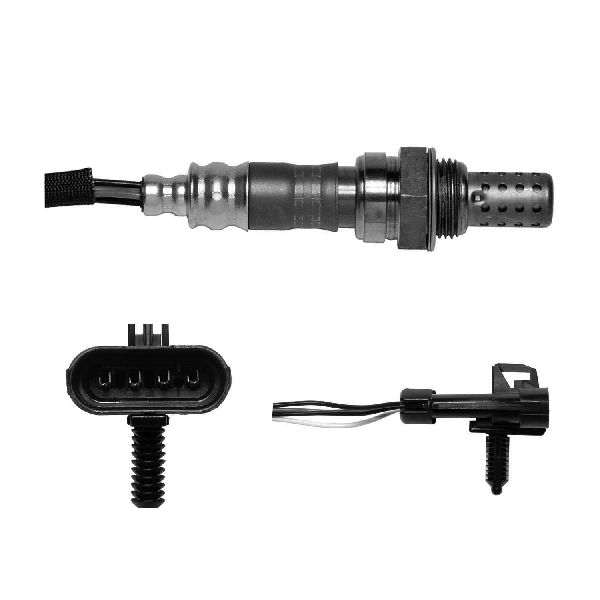
Always compare the electrical connector on the new sensor to your old one before installation. While most are direct-fit, you want to be sure you have the right part before you're under the truck.
Aftermarket Oxygen Sensor Cost for 1983-1999 GMC K1500
| Part Tier | Price Range (Per Sensor) |
|---|---|
| Tier 1 (ACDelco, Denso, NGK) | $50 - $113 |
| Tier 2 (Delphi, Walker) | $40 - $75 |
| Tier 3 (Bosch, Budget) | $28 - $55 |
Frequently Asked Questions (FAQ)
How many oxygen sensors does my K1500 have?
If your truck is a 1983-1995 model, it most likely has only one sensor. If it is a 1996-1999 model with a V8, it likely has four sensors (two upstream and two downstream).
What is the difference between an upstream and a downstream sensor?
On 1996+ trucks, the upstream (or Sensor 1) is before the catalytic converter and is the primary sensor for adjusting the air-fuel ratio. The downstream (or Sensor 2) is after the converter and mainly checks if the converter is working correctly for emissions. If you have performance issues, the upstream sensor is usually the culprit.
Do I need a special tool to replace an oxygen sensor?
A special oxygen sensor socket is highly recommended. It's a deep socket with a slot cut out for the wire, which allows you to get more leverage than a standard wrench. Many auto parts stores offer these as a free loaner tool. You can also use a 7/8" (22mm) wrench.
Can I clean my old oxygen sensor?
No, cleaning an O2 sensor is not a reliable fix. The sensor fails because its internal chemical-reading elements wear out over time, and this cannot be fixed by cleaning the outside. Replacement is the only correct solution.
Helpful Videos

![Bad O2 Sensor Symptoms Downstream & Upstream [Oxygen Sensor Failure and Causes] How to fix & Replace](https://img.youtube.com/vi/b-xxdBlikSA/mqdefault.jpg)
Technical Specifications
The number of sensors and wire count varies by year. Pre-1996 models use one sensor (1-wire or 3-wire). 1996-1999 models use up to four sensors (typically 4-wire heated). The thread size is generally M18-1.50.
We Have This Part in Stock


The information in this article is provided for general reference and educational purposes only. Vehicle specifications, procedures, and part compatibility can vary by production date, trim level, and region. Always consult your vehicle's factory service manual and verify part numbers before purchasing or performing repairs. Safety-critical components such as airbags, seat belts, and braking systems should be installed by a qualified professional.
- GMC K1500:
- 🎬 Helpful Videos
- 🛍️ Shop This Part
- Is Your K1500 an OBD-I or OBD-II Truck?
- Symptoms of a Failing Oxygen Sensor
- Don't Ignore a Bad Sensor
- Choosing the Right Aftermarket Oxygen Sensor
- Tier 1: OEM Quality & Highly Recommended
- Tier 2: Reliable Aftermarket Options
- Tier 3: Budget Options (Use with Caution)
- Check Your Connectors!
- Aftermarket Oxygen Sensor Cost for 1983-1999 GMC K1500
- Frequently Asked Questions (FAQ)
- 🎟️ Get 5% Off