

Ford Ranger A/C System O-Ring and Gasket Kit Guide (1983-2002)
Losing cold air in your Ranger? Your A/C system's o-rings are the most likely cause of refrigerant leaks.
- A gradual loss of A/C cooling is almost always caused by a refrigerant leak from old, hardened o-rings.
- You must have the A/C system professionally evacuated before starting work and recharged after.
- Always replace the accumulator/drier anytime the system is opened to the atmosphere.
- Lubricate new o-rings with the correct PAG oil before installation to ensure a proper seal and prevent damage.
Is Your Ranger's A/C Blowing Warm?
If your truck's air conditioning isn't as cold as it used to be, or doesn't work at all, the number one cause is a refrigerant leak. On the 1983-2002 Ford Ranger, the small rubber o-rings at the A/C line connections are the most common failure points. Before you assume a major component like the compressor has failed, a thorough check for leaks is the first step.
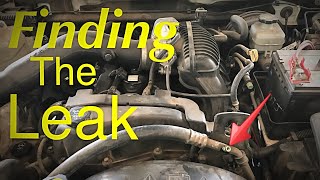
🎬 Watch: How to find A/C leaks fast and simple.Symptoms of Failing A/C O-Rings
- A/C blows cool but not cold, or completely warm: This is the most obvious sign that your system is low on refrigerant due to a leak.
- Compressor clutch cycles on and off rapidly: The system has safety switches that prevent the compressor from running if the refrigerant pressure is too low. You might hear a clicking sound from the engine bay every few seconds as it tries to engage.
- Oily residue at A/C line fittings: Refrigerant contains a special oil (PAG oil) that lubricates the compressor. When refrigerant leaks, it carries this oil with it, leaving a tell-tale greasy, wet-looking spot on hoses or around connection points.
Vacuum Leaks vs. Refrigerant Leaks
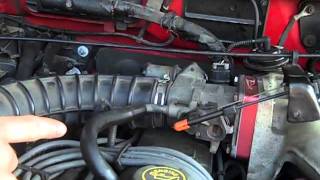
Some Rangers develop vacuum line leaks under the hood. These brittle plastic lines control the blend doors inside your dashboard. A common symptom is air only blowing from the defrost vents, regardless of the setting. 🎬 See how to check for Ford Ranger A/C vacuum leaks. This is a separate issue from a refrigerant leak, which causes a loss of cooling.
Choosing the Right Aftermarket O-Ring Kit
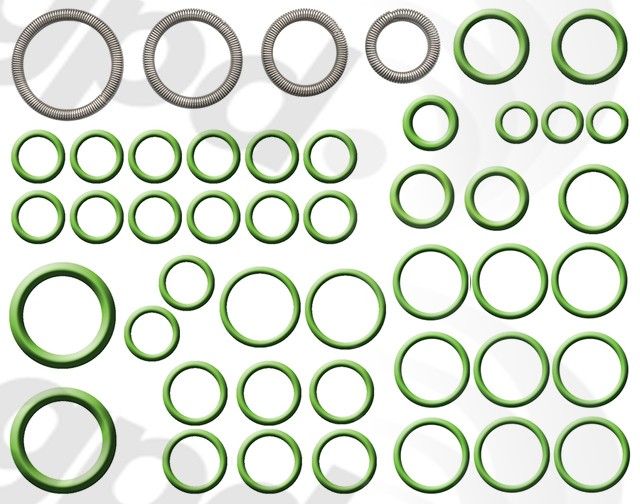
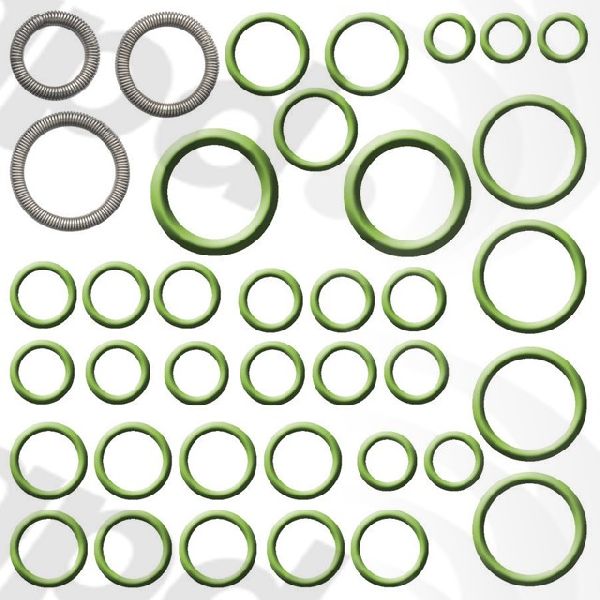
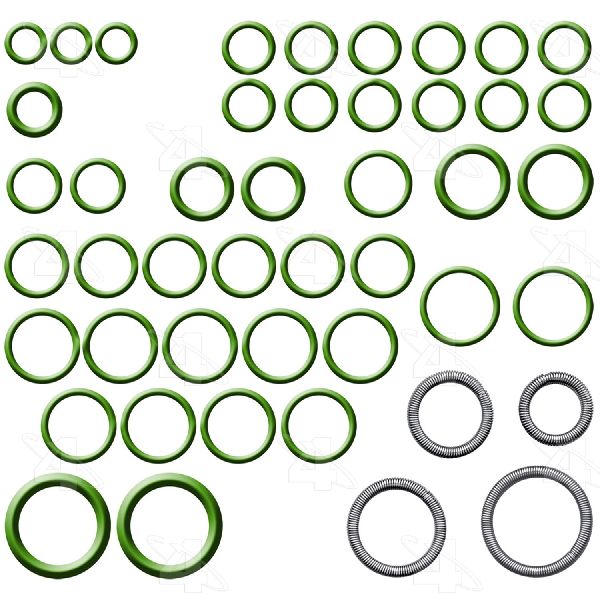
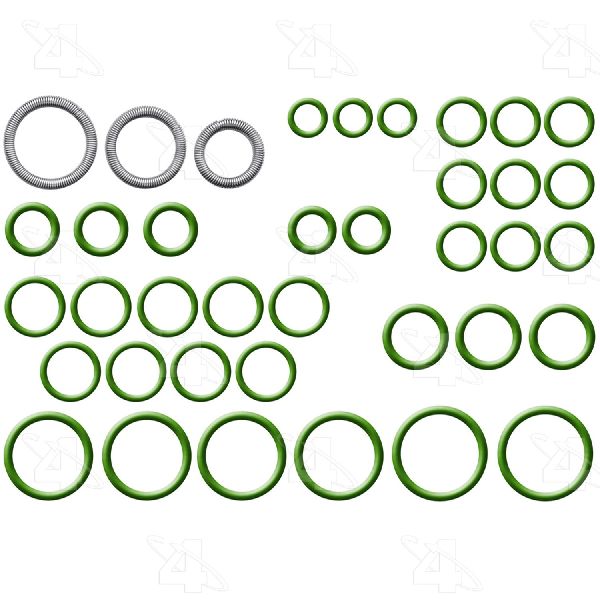
For a part like an o-ring kit, you don't need to spend a lot of money on dealership parts. Aftermarket kits from brands like Four Seasons and Global Parts (GPD) offer good quality and value for this repair. The most important factor is that the o-rings are made from the correct material, which is typically HNBR (Hydrogenated Nitrile Butadiene Rubber) for systems using R134a refrigerant. These kits are application-specific and will include a variety of seals needed for a complete system reseal.
- OEM vs. Aftermarket: Some owners have noted that original factory o-rings can be square-cut, while aftermarket kits usually provide standard round o-rings. However, forum discussions confirm that the round o-rings seal just as effectively when installed correctly. For the price, an aftermarket kit is the most practical choice.
- Brand Quality: Four Seasons is a well-known aftermarket brand. While opinions on their complex components like compressors can be mixed, their seal kits are widely used and considered reliable for this type of job. There is less specific feedback on Global Parts o-ring kits, but they are another common aftermarket supplier. For a simple seal kit, either brand is a cost-effective option.
Pro Tip: Always Use New O-Rings
Never reuse old o-rings. They are single-use seals that compress and deform to fit a specific connection. Once disturbed, they will not seal properly again. Always lubricate new o-rings with the correct type of A/C oil (PAG oil for R134a systems) before installation to prevent tearing and ensure a good seal.
A/C O-Ring Kit Replacement Cost
The cost of the parts is very low, but the labor to properly recharge the system is where the expense lies. The A/C system must be legally and safely evacuated by a professional before you can open it to replace the seals.
| Part/Service | Estimated Cost |
|---|---|
| New Aftermarket Kit (Four Seasons, Global Parts) | $16 - $18 |
| Shop Labor (Evacuate & Recharge) | $100 - $200+ |
| Total Professional Repair | $120 - $220+ |
Frequently Asked Questions
Do I have to replace all the o-rings at once?
It is highly recommended. If one o-ring has failed due to age, the others are likely in similar condition. Since the system must be fully evacuated to replace even one seal, it is best practice to replace all of them at the same time to prevent future leaks. Aftermarket kits are inexpensive and provide all the seals you need.
Can I replace the o-rings myself?
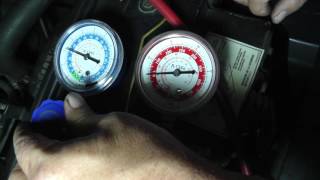
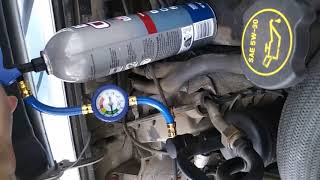
Yes, but with a major catch. The physical act of replacing the o-rings is simple. However, it is illegal to release refrigerant into the atmosphere. You must have the system professionally evacuated at a shop first. After you replace the parts, you must return to the shop to have the system vacuum-tested and recharged. Many auto parts stores offer free loaner programs for A/C manifold gauges and vacuum pumps if you decide to do the final steps yourself.
My kit came with green and black o-rings. What's the difference?
The color often indicates the material. Green o-rings are typically made of HNBR, which is compatible with the R134a refrigerant used in 1994 and newer Rangers. Black o-rings might be older nitrile material for R12 systems. Always use the o-rings specified for your refrigerant type. A quality kit for your specific year range will have the correct seals.
What else should I replace while the system is open?
Anytime the A/C system is opened to the atmosphere, it is critical to replace the accumulator/drier. This component contains a desiccant that absorbs moisture from the system. Once exposed to outside air, this desiccant becomes saturated and useless. Failure to replace it can lead to corrosion and damage to your new compressor.
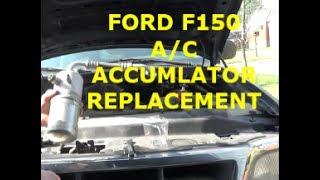
🎬 Watch this walkthrough on replacing your A/C accumulator.Helpful Videos
Technical Specifications
Kit material must be compatible with your vehicle's refrigerant (R12 for pre-1994, R134a for 1994-2002). Most modern kits use green HNBR o-rings compatible with R134a and its corresponding PAG oil.
We Have This Part in Stock

The information in this article is provided for general reference and educational purposes only. Vehicle specifications, procedures, and part compatibility can vary by production date, trim level, and region. Always consult your vehicle's factory service manual and verify part numbers before purchasing or performing repairs. Safety-critical components such as airbags, seat belts, and braking systems should be installed by a qualified professional.
- Ford Ranger: