

1984-1986 Chrysler Laser Horn Replacement and Diagnosis Guide
If your Chrysler Laser's horn has gone silent, this guide will help you diagnose the problem and choose the right replacement part.
- Horn failure on a Chrysler Laser is common due to the age of the vehicle and its electrical system.
- Always check the fuse and relay before assuming the horn unit itself has failed.
- Aftermarket brands like Standard Ignition offer a reliable, quality replacement, while 'Replacement' brands provide a value-focused option.
- Replacing the horn unit is an easy DIY task, but problems inside the steering column are best left to a professional.
Is Your Chrysler Laser Horn Not Working?
A silent horn is a common issue on older vehicles like the 1984-1986 Chrysler Laser. Due to its location at the front of the car, the horn is exposed to water, salt, and road debris, which can cause it to fail over time. Electrical issues, common in vehicles from this era, can also be the culprit. Before you replace the horn itself, it's wise to check a few other simple things first.
Common Failure Symptoms & Causes
Most horn problems are electrical. If your horn isn't working, the issue is likely one of the following:
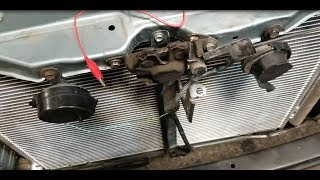
🎬 Watch: How to diagnose common horn electrical problems- Blown Fuse: The horn circuit is protected by a fuse. If it blows, the horn will be completely silent. This is the first and easiest thing to check.
- Bad Horn Relay: The relay is an electrical switch that sends power to the horn. If it fails, you might hear a faint 'click' from the fuse box when you press the horn button, but the horn won't sound.
- Faulty Horn Unit: The horn itself can fail internally from corrosion or wear. It might stop working altogether, or it may sound weak or raspy.
- Wiring or Ground Issues: Corroded wires or a bad ground connection can prevent power from reaching the horn. Vehicles from this era often had unsealed electrical connectors that are prone to corrosion.
- Bad Clockspring or Horn Switch: The 'clockspring' is a component in the steering column that allows the steering wheel to turn while maintaining electrical connections for the horn and airbag. If it fails, the horn (and possibly the airbag warning light) will stop working. This is often a more complex repair.
No Recalls or TSBs Found
As of early 2026, there are no specific recalls or Technical Service Bulletins (TSBs) from the NHTSA or Chrysler related to horn failure for the 1984-1986 Chrysler Laser. Problems are typically due to age-related wear and tear.
Choosing the Right Aftermarket Horn
Since new original equipment (OEM) horns for a Chrysler Laser are no longer produced, you will be choosing from aftermarket brands. These are designed to be direct-fit replacements, making installation simple.
Brand Tiers for Your Laser
- Good: Replacement Brand
This is a budget-friendly option that meets the basic requirements to get your horn working again. These parts are a good value for a daily driver or if you're looking for the most affordable fix. - Better: Standard Ignition (Standard Motor Products)
Standard Ignition is a well-known and respected aftermarket manufacturer with a long history of producing quality parts that often meet or exceed original specifications. Customer reviews for their horns are generally positive, citing good quality and loud sound. This is a reliable choice for owners who want added peace of mind and long-term durability.
Pro Tip: Some Chrysler Lasers were equipped with two horns: a high-tone and a low-tone. When they sound together, they create a fuller, louder sound. If you are replacing only one, make sure to match the tone (high or low) of the one you are replacing. For the best results, consider replacing them as a pair.
Aftermarket Horn Cost for 1984-1986 Chrysler Laser
| Part Type | Price Range |
|---|---|
| New Aftermarket Horn | $36.29 - $57.52 |
| Shop Labor for Horn Replacement | $50 - $100 |
(Pricing as of Q1 2026. Labor costs are estimates and vary by location and shop.)
Frequently Asked Questions (FAQ)
Where is the horn located on a 1984-1986 Chrysler Laser?
The horn or horns are typically located at the front of the vehicle, mounted to the radiator support behind the front grille. This location makes them relatively easy to access for replacement.
Is it hard to replace the horn on my Laser?
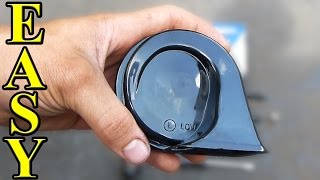
Replacing the horn unit itself is an easy DIY job. It usually involves removing a few clips or screws to access the area behind the grille, unplugging the electrical connector, and unbolting the old horn. 🎬 Watch: A step-by-step walkthrough on how to fix a car horn However, diagnosing a problem in the steering column, like a bad clockspring, is much more difficult and may require special tools and professional help.
My horn sounds weak. Does it need to be replaced?
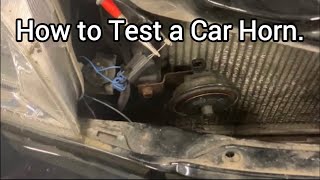
A weak or raspy sound often points to a problem with the horn unit itself or a poor electrical connection. Check for corrosion on the wiring connector and ensure the horn's mounting point 🎬 See this quick guide on how to test a car horn (which often serves as the ground) is clean and free of rust. If the connections are good, the horn unit has likely failed and needs replacement.
Do I need to buy a high-tone or low-tone horn?
Many vehicles use both a high-tone and a low-tone horn to create a distinct sound. If your Laser has two horns and you are only replacing one, you should identify which one has failed and purchase the matching tone. If you are unsure, or if your car only has one horn, replacing them as a matched set is a good option.
Helpful Videos
Technical Specifications
Voltage: 12V. Tone: High or Low Note.
We Have This Part in Stock


The information in this article is provided for general reference and educational purposes only. Vehicle specifications, procedures, and part compatibility can vary by production date, trim level, and region. Always consult your vehicle's factory service manual and verify part numbers before purchasing or performing repairs. Safety-critical components such as airbags, seat belts, and braking systems should be installed by a qualified professional.
- Chrysler Laser: