

Chrysler Laser Universal Joints: What 1984-1986 Owners Need to Know
Seeing universal joints listed for your front-wheel-drive Laser? Here's the real story behind the parts.
- Your FWD Chrysler Laser uses CV axles, not traditional U-joints, in its drivetrain.
- Ignore parts catalog listings for 'Universal Joints'; these are database errors.
- The correct repair for a clicking or vibrating front axle is to replace the entire CV axle assembly.
- When replacing a CV axle, always check if the part is specific to your engine (Turbo or non-turbo).
Why Do Parts Stores List U-Joints for a FWD Chrysler Laser?
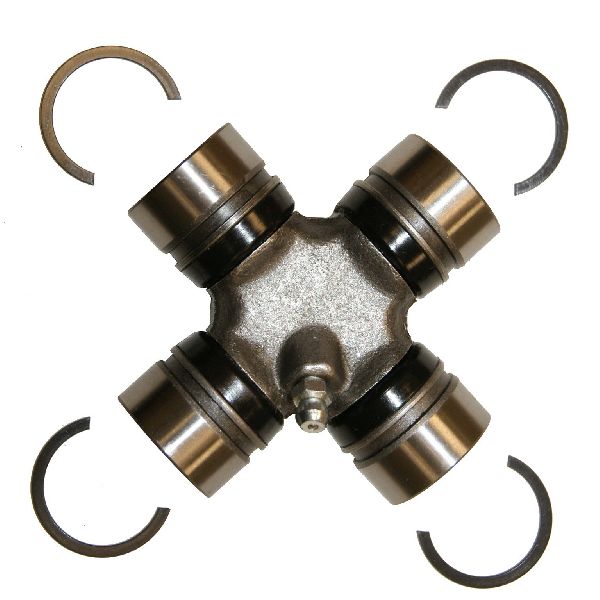
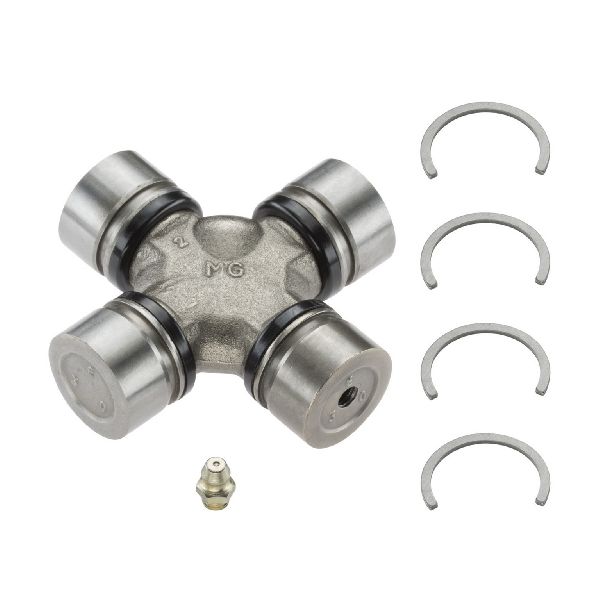
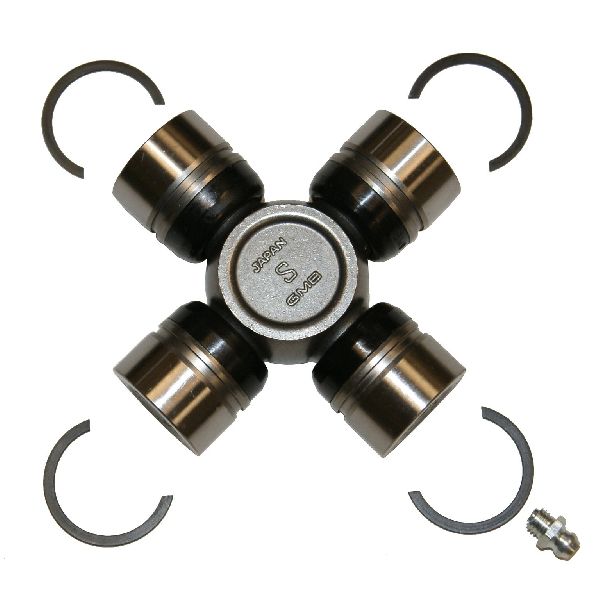
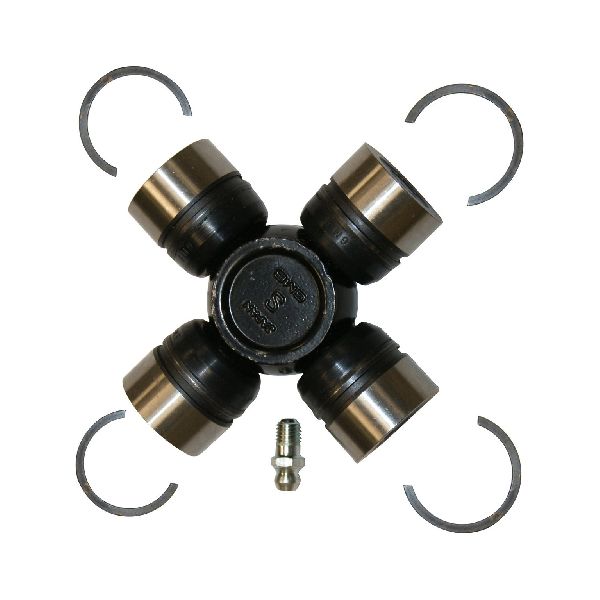
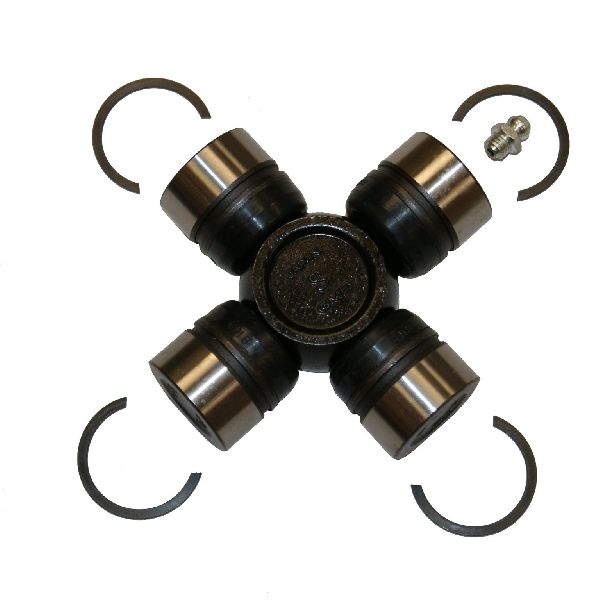
If you're shopping for parts for your 1984-1986 Chrysler Laser, you may have noticed universal joints from brands like Moog and GMB listed for sale. This is a common point of confusion caused by errors in aftermarket parts databases. These listings are often incorrect, sometimes even nonsensically listing a position like "At Rear Axle" for a FWD car. Your Laser does not use traditional U-joints in its drivetrain.
The correct component for transferring power to your front wheels is the CV Axle, also called a half-shaft. These axles have CV joints at each end, which serve a similar purpose to U-joints but are designed specifically for FWD applications. They allow the wheels to steer and move up and down with the suspension while continuously receiving power.
Symptoms of a Failing CV Axle
Instead of looking for U-joint failure symptoms, you should be aware of the signs of a bad CV axle. Ignoring these can lead to a complete loss of power to the wheels.
- Clicking or Popping When Turning: This is the most classic sign of a worn outer CV joint. The noise will be most prominent during sharp, low-speed turns.
- Vibration During Acceleration: A shudder or vibration that gets worse as you accelerate can point to a failing inner CV joint.
- Grease on the Inside of Your Tire: The CV joints are protected by a rubber boot filled with grease. If this boot tears, grease will be slung out, and dirt will get in, quickly destroying the joint.
- Clunking Noise: A clunking sound when you shift from drive to reverse or accelerate/decelerate can indicate excessive play in the CV joints.
A Note on Steering Shaft U-Joints
While your Laser's drivetrain doesn't use U-joints, there is one place a similar part exists: the steering column. A small universal joint is often used in the intermediate steering shaft to connect the steering wheel to the steering rack. A failure here would cause steering looseness, binding, or noise, not drivetrain vibrations. The parts listed in catalogs are almost certainly not for this application unless specified as a steering part.
Choosing the Right Aftermarket Part
When a CV joint fails, the best and most common repair is to replace the entire CV axle assembly. It is more time- and cost-effective than attempting to replace an individual joint. You will find complete new aftermarket axle assemblies from various brands.
For a vehicle of this age, a new aftermarket axle assembly provides the best value. Brands like GSP, SurTrack, and Cardone offer direct-fit replacements. While Moog and GMB are excellent brands for suspension and driveline parts, the U-joints they list for the Laser are not the correct part for its drivetrain. You should purchase a complete CV axle assembly.
Cost to Replace a Chrysler Laser CV Axle
The prices below are estimates for a single CV axle. Labor costs can vary by shop and location.
| Part Type | Estimated Cost (Part Only) |
|---|---|
| New Aftermarket CV Axle Assembly | $60 - $100 |
| Remanufactured CV Axle Assembly | $50 - $90 (Core charge may apply) |
| Shop Labor | $125 - $250 |
Frequently Asked Questions
Can I just replace the CV boot?
If you catch a torn boot very early before noise or vibration starts, you can replace just the boot. However, it is a messy and labor-intensive job. If the joint has been clicking or grinding, it's already damaged, and the entire axle should be replaced.
Should I replace the axles in pairs?
It's not strictly necessary to replace both left and right CV axles at the same time. However, they are wearing parts that have been subjected to the same conditions. If one has failed, the other may not be far behind. If your budget allows, replacing them in pairs can save you a future trip to the shop.
Is a Turbo model axle different from a non-turbo one?
Yes, parts catalogs often list different part numbers for turbocharged and naturally aspirated models. The turbo engine produces more torque, and the axles may be built stronger to handle it. Always verify the correct part for your specific engine and transmission combination before purchasing.
So the U-joints I see for sale for $17-$35 are useless?
For your car's drivetrain, yes. Those listings are based on incorrect catalog data. Do not buy a standalone U-joint to fix a drivetrain problem on your 1984-1986 Laser. You need a complete CV axle assembly.
Technical Specifications
The key component is the complete CV Axle Assembly (Half-Shaft), not a universal joint. Specifications vary between turbo and non-turbo models. Ensure you purchase the correct assembly for your vehicle's specific configuration.
We Have This Part in Stock

The information in this article is provided for general reference and educational purposes only. Vehicle specifications, procedures, and part compatibility can vary by production date, trim level, and region. Always consult your vehicle's factory service manual and verify part numbers before purchasing or performing repairs. Safety-critical components such as airbags, seat belts, and braking systems should be installed by a qualified professional.
- Chrysler Laser: