

A Guide to Replacing the Catalytic Converter on Your 1984-1987 BMW 325e
Keep your classic E30 running clean and passing emissions with the right new aftermarket catalytic converter.
- A clogged converter will cause serious power loss in your 325e; this is the most common symptom.
- You must find and fix the root cause of failure (like a bad O2 sensor) before replacing the converter.
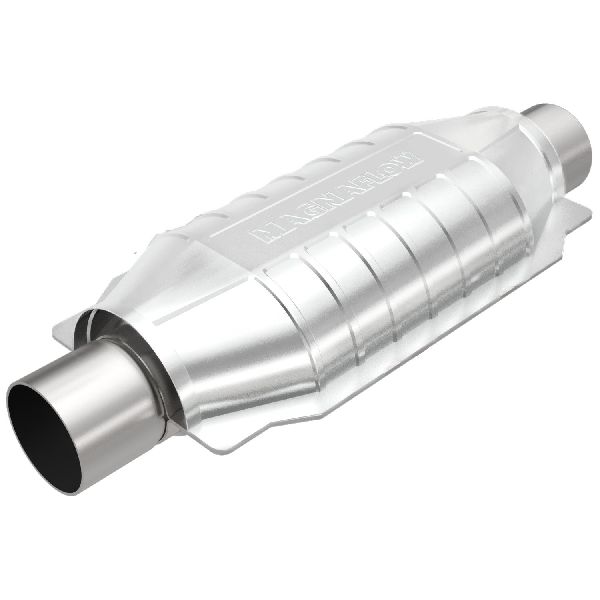
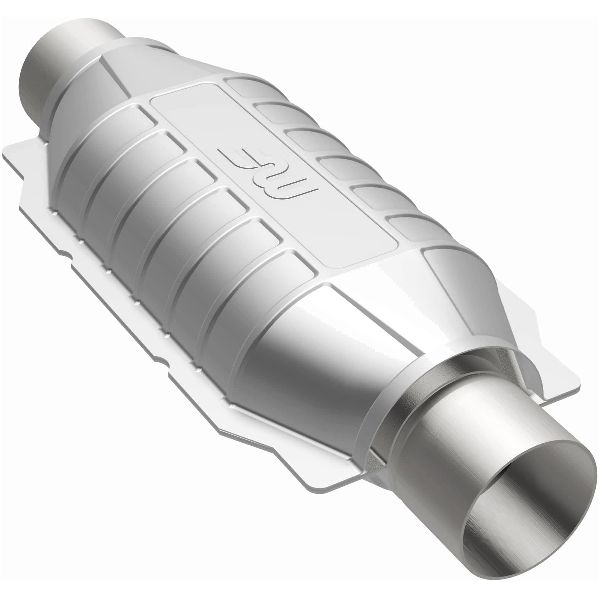
- Direct-fit aftermarket brands like MagnaFlow are a good balance of cost and quality for this car.
- Check if your state requires a CARB-compliant converter to avoid failing emissions tests.
Understanding Catalytic Converter Failure on Your E30
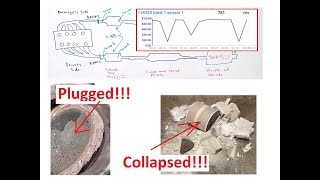
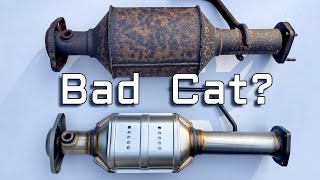
If you own a 1984-1987 BMW 325e, you know that keeping it running well is a labor of love. The catalytic converter is one part that can fail over time. Unlike modern cars, your E30 does not have advanced OBD-II diagnostics, so you won't get a specific "P0420" code. Instead, you must rely on physical symptoms to know 🎬 Watch: Pro methods for diagnosing a failing catalytic converter. when it's time for a replacement.
Don't Forget the Root Cause
Catalytic converters usually don't fail on their own. The most common reason for failure on an M20 engine is a problem that causes the engine to run rich (too much fuel). This could be a bad oxygen (O2) sensor, leaking fuel injectors, or other ignition issues. 🎬 See how to fix rough idle and engine running issues. A rich condition overheats and melts the inside of the converter. Always diagnose and fix the underlying problem before installing a new converter, or the new one will fail quickly.
Choosing the Right Aftermarket Converter
For a classic car like the 325e, you have a few options. A Genuine BMW part offers the highest quality and perfect fit, but it can cost 3 to 5 times more than an aftermarket one. Given the age of the vehicle, a new aftermarket converter is a popular and practical choice.
Brand Tiers for Your BMW 325e
- Direct-Fit (MagnaFlow, etc.): Brands like MagnaFlow offer direct-fit converters designed to bolt right into your E30's exhaust system without welding. They are made with stainless steel and designed to meet EPA emissions requirements. While some users have reported occasional fitment issues with aftermarket parts, they are generally a reliable option.
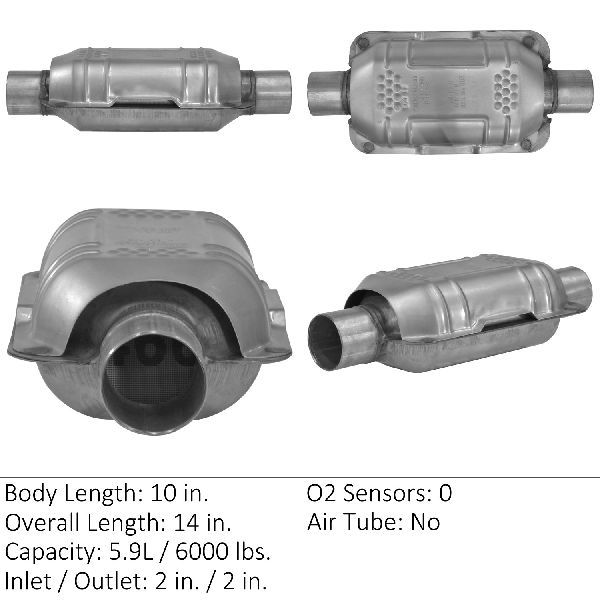
- Standard Replacement (Eastern Catalytic, etc.): Brands like Eastern Catalytic provide affordable, functional replacements. These are solid choices for getting your car back on the road and passing emissions, especially if you are on a budget.
- Universal Converters: These are the most affordable option but are not a direct bolt-on part. They require a professional exhaust shop to cut your existing exhaust pipe and weld the new converter in place. This can sometimes be a cost-effective solution if the rest of your exhaust is in good shape.
A Note on Emissions Laws: Always check your local laws. If you live in California, you MUST use a more expensive CARB-compliant catalytic converter. As of 2023, states like Colorado, New York, and Maine also require CARB-compliant parts for all new sales. For all other states, a Federal/EPA-compliant converter is acceptable, as long as your car was not originally a California-spec vehicle. You can check the emissions label under your hood to be sure.
Cost Comparison for 1984-1987 BMW 325e Catalytic Converter
| Part Type | Estimated Cost (Part Only) |
|---|---|
| New Aftermarket (Universal) | $119.00 - $140.03 |
| New Aftermarket (Direct-Fit) | $500 - $700+ |
| New OEM (Genuine BMW) | $1,800+ |
Frequently Asked Questions (FAQ)
Do I need a direct-fit or universal catalytic converter?
A direct-fit converter is designed to bolt directly to your exhaust manifold and muffler without modification, making for an easier DIY installation. A universal converter is cheaper but requires being welded into place by an exhaust shop. For most DIY mechanics, a direct-fit model is the better choice.
Will a new aftermarket converter affect my car's performance?
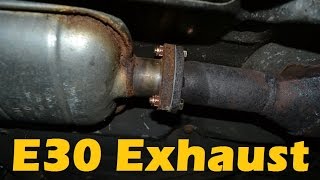
A new, functioning catalytic converter will restore performance that was lost due to a clogged old one. Aftermarket brands like MagnaFlow are known for good exhaust flow. 🎬 Hear how a MagnaFlow converter sounds on an E30. You should not notice a negative impact on performance; in fact, if your old one was clogged, the car will feel much more powerful.
Are there any recalls for the 325e catalytic converter?
No, there are no specific recalls or technical service bulletins (TSBs) from the NHTSA for the catalytic converter on the 1984-1987 BMW 325e.
Why does my car smell like rotten eggs?
A rotten egg or sulfur smell from the exhaust is a classic sign that the catalytic converter is not working correctly. It indicates that unburned fuel is getting into the converter and it is not able to process the exhaust gases properly. This is often a symptom of a rich-running engine condition that needs to be fixed.
Helpful Videos
Technical Specifications
OEM Part Numbers: 18301723887
Direct-fit, two-bolt flange inlet, two-bolt flange outlet. Differentiates between manual and automatic transmissions for some model years.
We Have This Part in Stock

The information in this article is provided for general reference and educational purposes only. Vehicle specifications, procedures, and part compatibility can vary by production date, trim level, and region. Always consult your vehicle's factory service manual and verify part numbers before purchasing or performing repairs. Safety-critical components such as airbags, seat belts, and braking systems should be installed by a qualified professional.
- BMW 325e: