

Engine Coolant Temperature Sensor Guide for the 1984-1987 BMW 325e
Learn to identify a failing coolant temp sensor and choose the right replacement for your classic E30.
- Your 325e has two sensors: a blue-top for the engine computer (DME) and a brown-top for the dash gauge.
- Performance problems like poor MPG and rough idle are caused by the blue DME sensor.
- A dead or erratic dash gauge is caused by the brown sensor.
- Replacement is a simple DIY task, but be prepared for minor coolant spillage if you don't drain the system.
Understanding the E30 325e's Dual-Sensor Setup

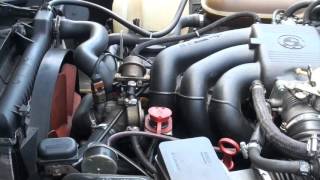
The M20 engine in your 1984-1987 BMW 325e uses a specific two-sensor system for monitoring coolant temperature. They are both located on the thermostat housing at the front of the engine. It's important to know which one does what.
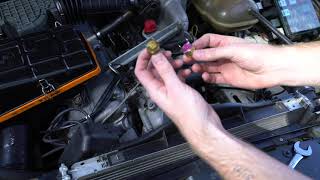
- Gauge Sensor (Brown Top): This single-wire sensor's only job is to operate the temperature gauge on your dashboard. If it fails, your gauge will read incorrectly or not at all, but engine performance won't be affected. The OEM part number is often cited as 12621710512.
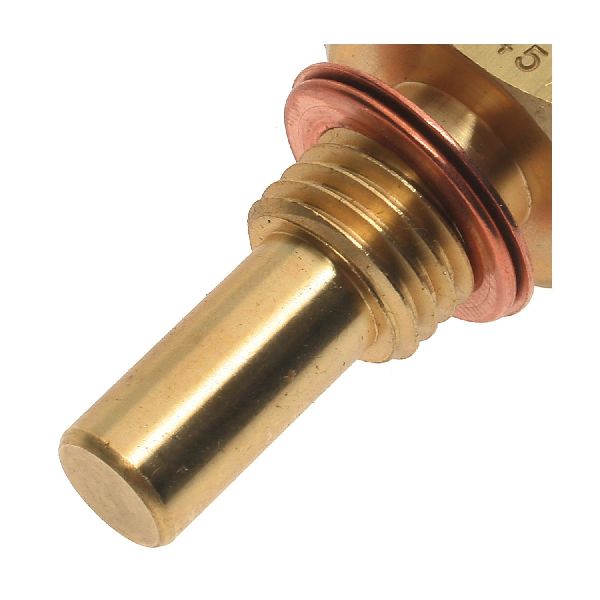
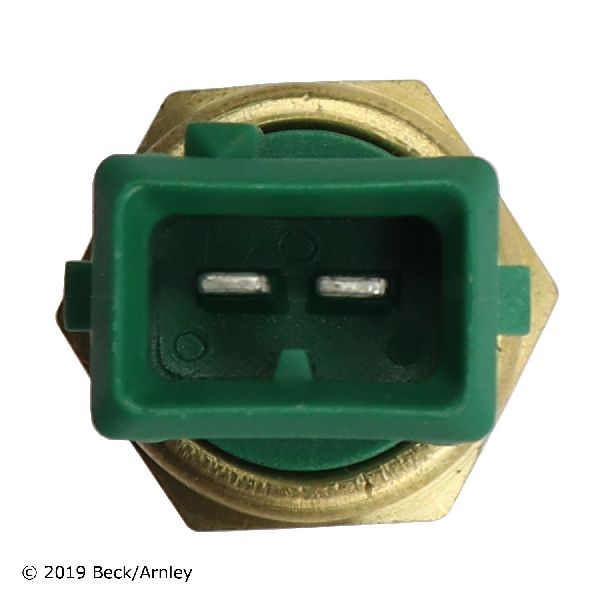
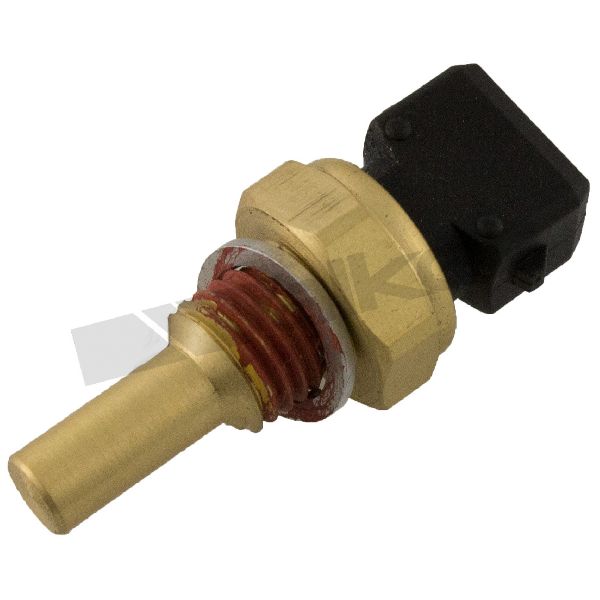
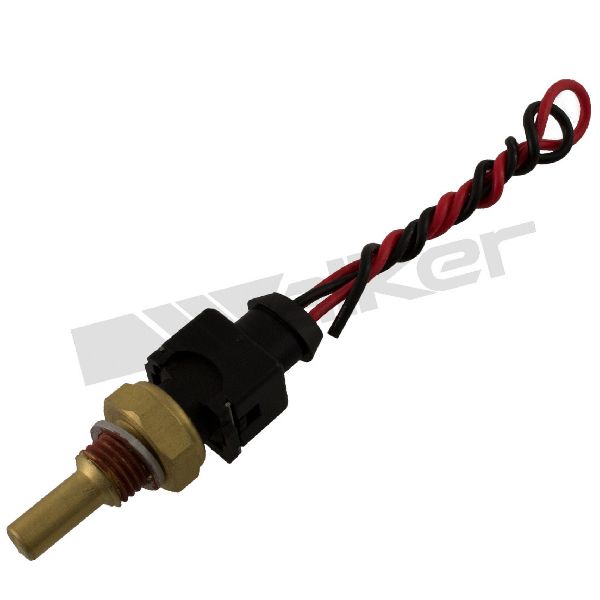
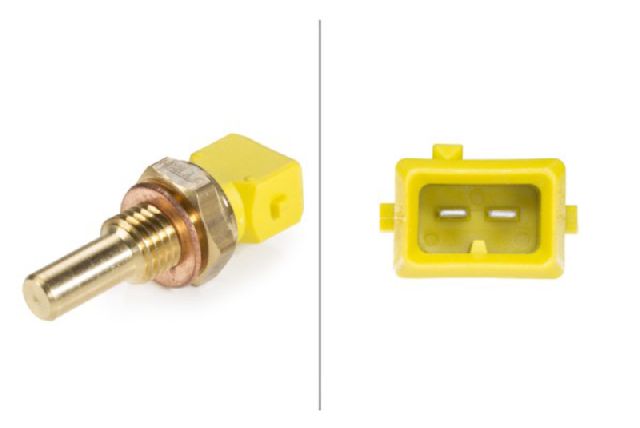
- DME/ECU Sensor (Blue Top): This two-wire sensor is vital for engine operation. It tells the main computer (DME) how hot the engine is. The computer then adjusts the air-fuel ratio and idle speed. When the engine is cold, it provides a richer mixture, and when warm, it leans it out. A failure here directly impacts how your car runs.
Symptoms of a Failing Coolant Temperature Sensor

Symptoms usually point to which of the two sensors has failed. If you experience performance issues, the DME (blue) sensor is the likely culprit. If only your gauge is acting up, look at the gauge (brown) sensor.
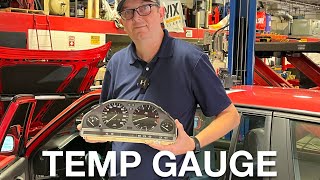
🎬 Watch this full diagnostic guide for E30 temperature gauge repairs.Critical Failure Warning
Ignoring a bad DME temperature sensor can lead to poor fuel economy, failed emissions tests, and potential long-term engine issues from running consistently too rich or too lean.
Choosing the Right Aftermarket Sensor

For a critical component like the DME sensor, quality matters. While even premium aftermarket parts are affordable, choosing the cheapest option can lead to incorrect readings and premature failure, bringing you right back to square one.
- Tier 1 - OE/Premium Brands (Hella, Beck Arnley): Hella is a known original equipment manufacturer for many German cars. Beck Arnley often sources parts from the original manufacturers and re-packages them, providing OE quality. These are trusted choices for reliability.
- Tier 2 - Quality Aftermarket (Standard Ignition, Walker Products): Brands like Standard Motor Products (SMP) and Walker have a long-standing reputation for producing reliable aftermarket components that meet or exceed OEM specifications.
- Tier 3 - Economy Brands (URO Parts, True Tech, Global Parts): These brands offer the lowest price point. While they can be a budget-friendly option, they may have a higher rate of defects or a shorter lifespan compared to premium brands. Forum discussions sometimes show mixed reviews for URO Parts on electronic components.
| Part Type | Estimated Cost |
|---|---|
| New Aftermarket | $7.83 - $39.75 |
| New OEM (Genuine BMW) | $45 - $85 |
| Shop Labor | $75 - $150 |
Pro Tip: Replace in Pairs
Since you'll be working in the same area and the parts are inexpensive, it's wise to replace both the DME and gauge sensors at the same time. This resets the clock on both components and can save you from having to do the job again in the near future.
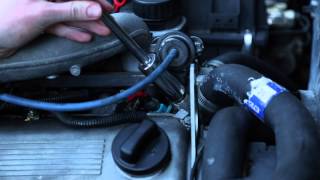
🎬 See this step-by-step walkthrough for replacing M20 coolant sensors.Frequently Asked Questions (FAQ)

Why are there two different coolant temperature sensors?
On this generation of BMW, one sensor is dedicated to providing a signal to the engine computer (DME) for performance calculations, while the other is solely for the driver's instrument cluster gauge. This separation was common before more integrated electronics became standard.
Do I need to drain the coolant to replace the sensors?
While the official procedure is to drain the coolant, you can replace the sensors without a full drain if you work quickly. Have the new sensor ready to screw in as soon as you remove the old one to minimize coolant loss. Some coolant will spill, so have a catch pan and rags ready. The engine must be completely cold before you begin.
🎬 Learn how to test your coolant temperature sensors for accuracy.What happens if I ignore a bad temperature sensor?
Ignoring a bad gauge sensor means you won't know if your engine is overheating. Ignoring a bad DME sensor will cause poor fuel economy, rough running, hard starting, and can lead to black smoke from the exhaust from an overly rich fuel mixture.
Is a genuine BMW sensor worth the extra cost?
For a simple sensor, a high-quality aftermarket part from a brand like Hella or Bosch (an OEM supplier) offers virtually identical performance to a genuine BMW part for a lower price. The key is to avoid the cheapest, no-name options which can be unreliable.
Helpful Videos

Technical Specifications
OEM Part Numbers: 12621710512 12621710511 13621709966
Location: Thermostat Housing. Thread Size: M12x1.5. The DME sensor has a 2-prong connector, while the gauge sensor has a single pole connector.
We Have This Part in Stock


The information in this article is provided for general reference and educational purposes only. Vehicle specifications, procedures, and part compatibility can vary by production date, trim level, and region. Always consult your vehicle's factory service manual and verify part numbers before purchasing or performing repairs. Safety-critical components such as airbags, seat belts, and braking systems should be installed by a qualified professional.
- BMW 325e: