

BMW 325e Horn Replacement Guide for the 1984-1987 E30
Is your E30's horn silent? Here’s how to diagnose the problem and choose the right replacement horn.
- Before replacing the horn, check the K2 relay, fuse #7, and the steering column's carbon contact pin, as these are common failure points on the E30.
- The 1984-1987 BMW 325e uses two horns (high-tone and low-tone) located behind the front bumper area.
- Aftermarket horns are a good value but may require you to cut the factory wiring plug and crimp on new spade connectors.
- A non-functional horn is a safety hazard and can cause your vehicle to fail a safety inspection.
Is It Really a Bad Horn?
On the E30 chassis, including your 325e, a horn that doesn't work is often caused by a problem somewhere else in the electrical circuit, not the horn unit itself. Due to their age, these cars have several common failure points that you should check before buying a new horn.
Troubleshoot First, Buy Second
Before spending money on a new horn, investigate these common E30 horn problems:
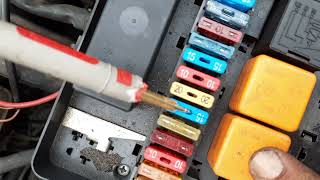
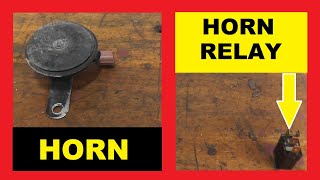
- Horn Relay: The K2 relay in the fuse box can fail. You can test this by listening for a 'click' from the fuse box when the horn button is pressed.
- Fuse: Check fuse #7 (usually a 15A fuse) in the main fuse box located in the engine bay. 🎬 Watch: How to locate and check the E30 horn relay.
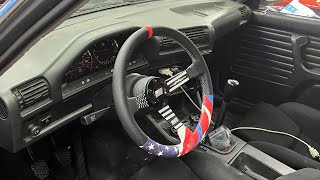
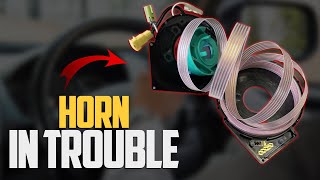
- Steering Column Contact: A small, spring-loaded carbon pin (or brush) behind the steering wheel 🎬 See this detailed walkthrough for steering wheel and horn installation. makes contact to complete the circuit. This pin wears down over time and is a very common reason for the horn to stop working.
- Grounding Issues: The steering column itself needs to be properly grounded. A bad ground at the steering column knuckle in the engine bay can prevent the horn from working.
- Wiring: The horns are located behind the front bumper, where they are exposed to water and road salt. The wiring and connectors can corrode and fail.
Symptoms of a Failing Horn System
Diagnosing a horn issue is usually straightforward. If you experience any of these symptoms, it's time to investigate the horn circuit.
- No Sound: The most obvious symptom. Pressing the horn button produces no sound at all. This often points to an electrical issue like a fuse, relay, or contact pin.
- Weak or Faint Sound: If the horn sounds quiet, muffled, or "sick," it could mean one of the two horns (high or low tone) has failed. It can also be caused by a poor electrical connection or corrosion on the horn itself.
- Intermittent Operation: If the horn only works sometimes, it usually indicates a loose connection, a failing relay, or a worn steering wheel contact pin that isn't always making a good connection.
Choosing the Right Aftermarket Horn (1984-1987)
If you've tested the circuit and confirmed the horn unit itself is dead, replacing it with an aftermarket part is a cost-effective solution. OEM horns were often made by Hella.
Brand Quality Tiers
- Standard Ignition: This is a well-known aftermarket brand that produces reliable replacement parts. A horn from Standard Ignition is a solid choice that should meet or exceed the performance of the original factory part.
- Replacement: This is a budget-friendly, private-label brand. While it will get the job done and restore function, it may not have the same longevity or precise tone as a higher-tier brand or an OEM unit. It's a good option if cost is your primary concern.
A Note on Connectors
Many aftermarket horns use universal spade connectors. The original BMW E30 horns often use a unique plastic "puzzle-piece" connector. You may need to cut the old connector off your car's wiring harness and crimp on new female spade connectors to fit the new horn. This is a simple task, but something to be prepared for.
Cost of Replacing a BMW 325e Horn
The cost to replace a horn on a 1984-1987 325e is low, especially if you do the work yourself. The parts are affordable and labor is minimal.
| Part Type | Price Range (Per Horn) |
|---|---|
| New OEM | $45 - $90 |
| New Aftermarket | $36.29 - $77.37 |
| Used OEM | $20 - $50 |
| Shop Labor | $60 - $120 |
Frequently Asked Questions
How do I test if the horn unit is the problem?
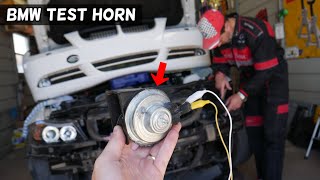
The easiest way is to bypass the car's wiring. Disconnect the horn and use jumper wires to connect it directly to a 12V car battery. 🎬 Watch: A quick guide on how to test the horn unit. If the horn sounds, the problem is elsewhere in your car's circuit (relay, fuse, wiring). If it remains silent, the horn unit is dead.
Does my 1985 325e have one horn or two?
As a six-cylinder model, your 325e should have two horns: one high-tone and one low-tone. They are typically located on either side of the car behind the front bumper valence, near the brake cooling ducts.
Is replacing the horn on an E30 difficult?
No, it is considered an easy DIY job. You will need to safely jack up the front of the car to get access. The horn is usually held on by a single 13mm nut. The hardest part is often just reaching it behind the bumper or splash shields.
Do I need to replace both horns at the same time?
You don't have to, but it is often recommended. If one has failed due to age or exposure, the other may not be far behind. Replacing them in pairs ensures a correct, strong tone and saves you from having to do the job again in the near future.
Helpful Videos
Technical Specifications
OEM Part Numbers: 61331376189 61331367312 61331367359 61331371914
System typically uses one high-tone (e.g., 500Hz) and one low-tone (e.g., 400Hz) horn.
We Have This Part in Stock


The information in this article is provided for general reference and educational purposes only. Vehicle specifications, procedures, and part compatibility can vary by production date, trim level, and region. Always consult your vehicle's factory service manual and verify part numbers before purchasing or performing repairs. Safety-critical components such as airbags, seat belts, and braking systems should be installed by a qualified professional.
- BMW 325e: