

Dodge Caravan Oxygen Sensor Guide: 1984-1988 Models
Keep your first-generation Caravan running smoothly by understanding its oxygen sensor.
- A bad oxygen sensor will cause poor gas mileage, rough running, and failed emissions tests.
- For this vehicle, always choose a 'direct-fit' sensor to avoid cutting and splicing wires.
- Denso and NGK/NTK are highly recommended brands for reliability in older Dodge vehicles.
- Replacing the sensor is a manageable DIY job, but the old one might be rusted in place.
Is a Bad Oxygen Sensor a Big Deal?
Yes, it can be. A failing oxygen sensor can't send the right signals to your Caravan's engine computer. This can cause the engine to run too rich (too much fuel) or too lean (not enough fuel). Over time, this can lead to poor gas mileage, a rough idle, failed emissions tests, and even damage to other expensive parts like the catalytic converter. Since these vans are older, keeping the engine running efficiently is key to its longevity.
Choosing the Right Aftermarket Oxygen Sensor
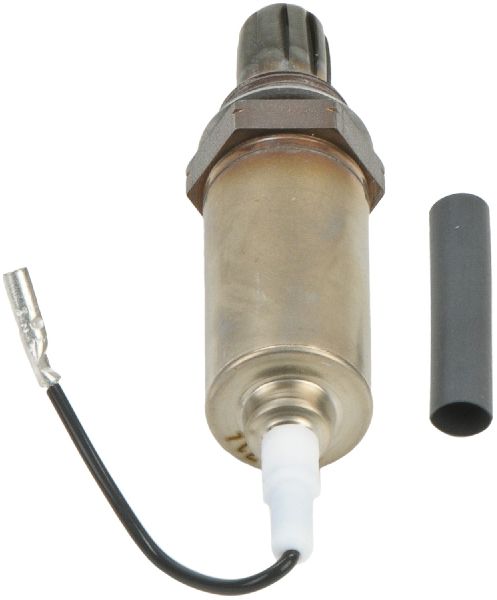
For a vehicle from the 1980s, finding original Mopar parts can be difficult or impossible. Aftermarket parts are your most reliable option. The good news is that aftermarket sensor technology is excellent, and many brands produce high-quality replacements that meet or exceed the original specifications. The key is to choose a direct-fit sensor with the correct plug to avoid cutting and splicing wires. Your 1984-1988 Caravan likely uses a simple one, two, or three-wire non-heated or heated sensor, depending on the engine (2.2L, 2.6L, or 3.0L V6 introduced in 1987).
A Note on Universal Sensors
While universal oxygen sensors are available and often cheaper, they require you to cut your old sensor's plug and splice it onto the new sensor's wires. This creates a potential point of failure. For a reliable, long-lasting repair, a direct-fit sensor is always the better choice.
Brand Quality Tiers
Not all brands are created equal. Based on owner feedback and mechanic consensus for older Chrysler/Dodge vehicles, here is a general breakdown of the available brands:
- Premium (OEM Quality): Denso and NGK/NTK are often the original equipment manufacturers for many Japanese and domestic vehicles and are widely regarded as the top choice for reliability and accuracy. Many owners report the best results with these brands.
- OEM-Equivalent: Delphi is a major OE supplier with a strong reputation for quality parts that fit and function correctly.
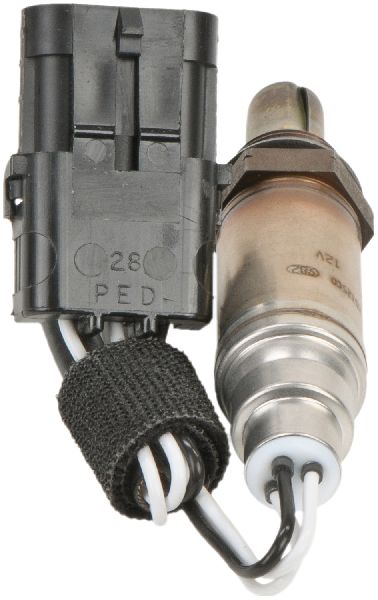
- Reputable Aftermarket: Bosch invented the modern oxygen sensor and is a huge name in the industry. However, some forums mention that for certain vehicles, particularly older Chrysler products, Bosch sensors can sometimes have compatibility or performance issues compared to Denso or NTK.
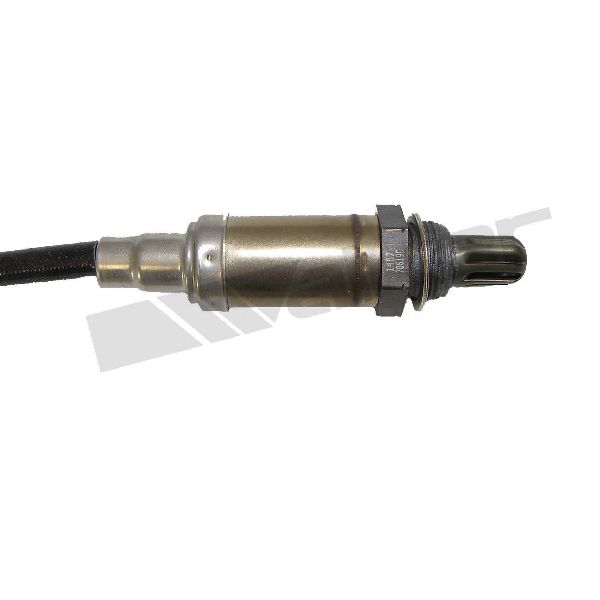
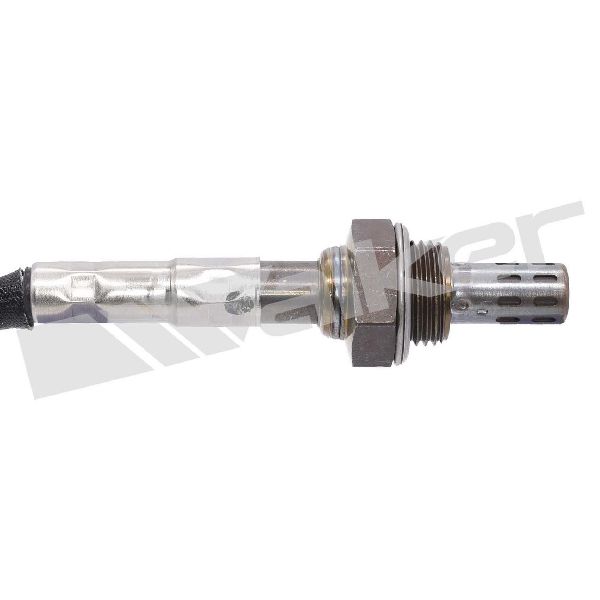
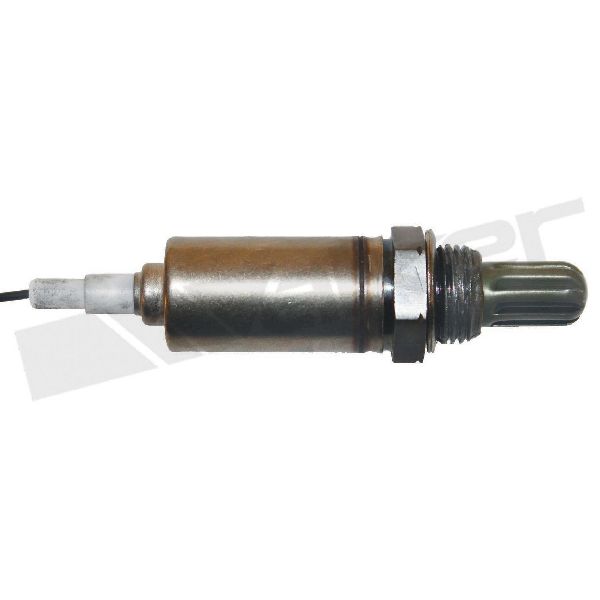
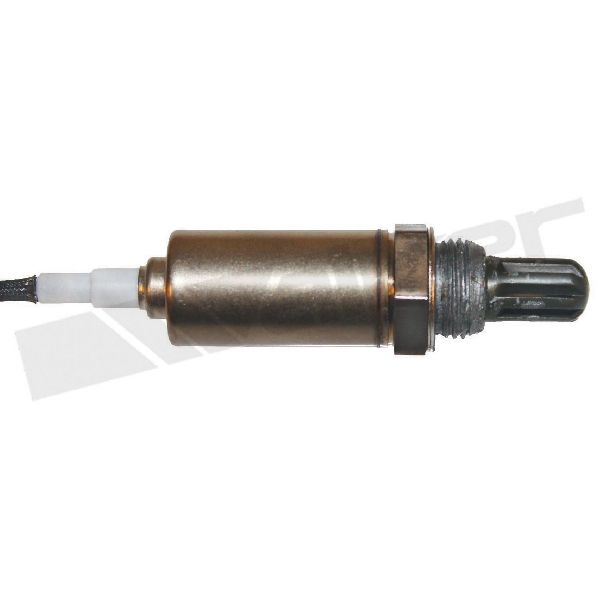
- Economy: Walker Products offers a budget-friendly option. While some users have good experiences, others report a shorter lifespan compared to premium brands. They can be a good choice if budget is the primary concern.
Pro Tip: Use Anti-Seize
New, high-quality oxygen sensors usually come with a special anti-seize compound already applied to the threads. This is crucial for preventing the sensor from getting stuck (seizing) in the hot exhaust manifold, which will make it much easier to replace in the future. If your new sensor doesn't have it, be sure to apply a small amount of high-temperature, sensor-safe anti-seize to the threads before installation, being careful not to get any on the sensor tip.
Known Issues, Recalls, or TSBs
A search of the National Highway Traffic Safety Administration (NHTSA) database and other records for the 1984-1988 Dodge Caravan did not reveal any specific recalls or Technical Service Bulletins (TSBs) directly related to the oxygen sensor itself. Most issues with this part are due to normal wear and tear over decades of use, contamination from oil or coolant, or the use of leaded fuel in the past.
Frequently Asked Questions (FAQ)
How do I know if my Caravan has a bad oxygen sensor?
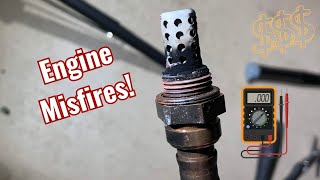
Common symptoms include a lit 'Check Engine' light, noticeably worse gas mileage, a rough or unstable idle, hesitation when you accelerate, and a rotten egg smell from the exhaust. On these older models, you can often retrieve trouble codes by turning the ignition key on-off-on-off-on and watching the Check Engine light flash. 🎬 Watch how to diagnose and replace a faulty oxygen sensor. A code 21 often points to a bad oxygen sensor.
Where is the oxygen sensor located on my 1984-1988 Caravan?
Your van has one primary (upstream) oxygen sensor. You will find it screwed into the cast iron exhaust manifold, which is located on the front or back of the engine, depending on your engine type. It will have a wire and electrical connector attached to it.
Can I replace the oxygen sensor myself?
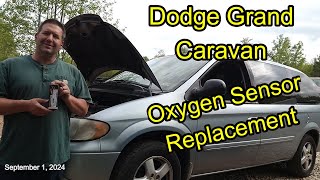
Yes, this is a DIY-friendly job for someone with basic tools. The main challenge is that the old sensor can be rusted and seized in the exhaust manifold. You will need a special oxygen sensor socket (which has a slot for the wire) or a 22mm (7/8") wrench, penetrating oil to loosen the old sensor, and possibly some patience. Always let the exhaust cool down completely 🎬 See a step-by-step guide for replacing your Caravan's oxygen sensor. before starting.
How much should a new oxygen sensor cost?
For this generation of Dodge Caravan, aftermarket oxygen sensors are quite affordable. Expect to pay between $39 and $79 for a new, direct-fit part. Professional installation labor can add $60 to $100 or more, depending on shop rates.
What is the most common mistake when ordering this part?
The most common mistake is buying a universal sensor instead of a direct-fit model. While cheaper, the need to splice wires adds complexity and a potential failure point. Also, double-check that the sensor you are buying is correct for your Caravan's specific engine (2.2L, 2.6L, or 3.0L), as the wire length and connector might differ.
Helpful Videos
Technical Specifications
Your Caravan uses a single upstream oxygen sensor located in the exhaust manifold. Depending on the engine (2.2L, 2.6L, 3.0L), it will be a 1, 2, or 3-wire narrow-band sensor.
We Have This Part in Stock

The information in this article is provided for general reference and educational purposes only. Vehicle specifications, procedures, and part compatibility can vary by production date, trim level, and region. Always consult your vehicle's factory service manual and verify part numbers before purchasing or performing repairs. Safety-critical components such as airbags, seat belts, and braking systems should be installed by a qualified professional.
- Dodge Caravan: