

Dodge Lancer Accessory Drive Belts: A Guide for 1984-1989 Models
Understand the unique multi-belt system on your classic Lancer to keep your accessories running reliably.
- Your 1984-1989 Lancer has multiple accessory belts, not a single serpentine belt. Identify which belt you need before ordering.
- Inspect belts regularly for cracks and listen for squealing noises, which are clear signs that replacement is needed.
- For a daily driver, choose a top-tier brand like Gates, Continental, or Bando for the best reliability.
- Since labor is involved in loosening accessories, consider replacing all accessory belts at once for preventative maintenance.
Understanding Your Lancer's Accessory Belts
When you open the hood of your 1984-1989 Dodge Lancer, you won't find one single, long belt snaking around all the pulleys. Instead, you'll see a setup with two or three separate belts. This is important to know when you're shopping for replacements. You need to identify which specific belt has failed or is worn out. The most common belts drive the alternator/water pump, the power steering pump, and the A/C compressor. The exact number and type of belts depend on your Lancer's engine (2.2L or 2.5L) and whether it has air conditioning.
Symptoms of a Failing Accessory Belt
A worn or failing belt will almost always give you a warning sign before it breaks. Ignoring these signs can leave you stranded.
- Squealing or Chirping Noises: This is the most common symptom. The noise may be constant or happen only during startup, acceleration, or when turning the steering wheel. A squeal that gets louder when you spray it with water often points to a belt tension problem, while a noise that goes away with water may indicate a pulley misalignment issue.
- Visible Wear and Tear: A visual inspection is the best way to check a belt's health. Look for cracks, glazing (a shiny, smooth surface on the belt's ribs), fraying edges, or missing chunks of rubber. Any of these signs mean the belt needs to be replaced soon.
- Accessory Malfunctions: If a belt breaks, the part it powers will stop working. A broken alternator belt will cause the battery light to come on and the engine to eventually die. A snapped power steering belt will make steering extremely difficult.
No Recalls for This Model
While there have been recalls on newer Mitsubishi Lancers for drive belt tensioner issues, no such recalls or widespread issues have been documented for the 1984-1989 Dodge Lancer models, which use a simpler, manually tensioned system.
Choosing the Right Aftermarket Belt
For a vehicle of this age, OEM belts are generally discontinued. The good news is that aftermarket brands offer excellent quality, often meeting or exceeding original specifications. Here’s a breakdown of available brands.
Tier 1: OEM-Quality Brands
These brands are known for their durability and are often used as original equipment by car manufacturers. For peace of mind and longevity, they are a top choice.
- Gates: A highly respected name in the industry, known for making durable, quiet, and reliable belts.
- Continental: Another top-tier manufacturer with a reputation for quality that rivals OEM parts.
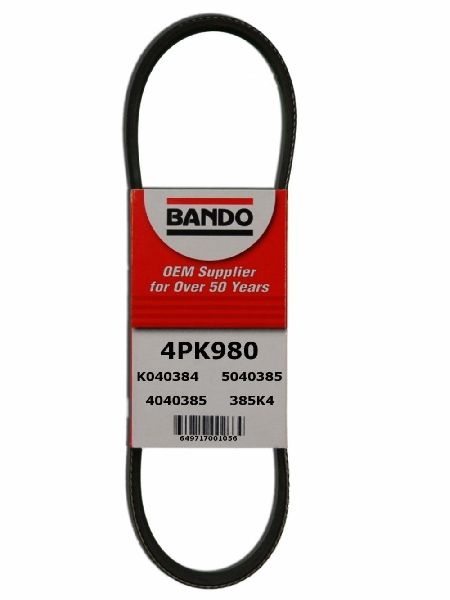
- Bando: A major OEM supplier for many car brands, especially Japanese manufacturers. Their aftermarket belts are known for high quality and a perfect fit.
Tier 2: Reliable Aftermarket Brands
These brands offer a great balance of price and performance and are a solid choice for most owners.
- Dayco: A well-known aftermarket brand that produces reliable belts. While most users have good experiences, some have occasionally reported noise issues. They are generally a dependable and cost-effective option.
Tier 3: Specialty & Economy Brands
This brand is a viable option, especially given its focus on Chrysler-family vehicles.
- Crown Automotive: Primarily known for making replacement parts for Jeeps, Crown offers parts for other Chrysler vehicles like your Lancer. They are generally considered a step up from generic, no-name parts and offer decent quality for the price.
Pro Tip: Replace in Sets
If one belt is old enough to fail, the others are likely not far behind. Since replacing them requires accessing the same area of the engine and loosening accessories, it's often cost-effective to replace all the accessory belts at the same time.
Aftermarket Accessory Belt Cost for 1984-1989 Dodge Lancer
| Part Type | Price Range |
|---|---|
| New Aftermarket Belt (per belt) | $7.35 - $33.85 |
| Shop Labor (per belt) | $50 - $120 |
Frequently Asked Questions (FAQ)
How many accessory belts does my Lancer have?
Your Lancer will have two or three belts, depending on the options. There will be one for the alternator and water pump, and separate belts if you have power steering and/or air conditioning. Always verify the configuration for your specific vehicle.
What's the difference between a V-belt and a multi-ribbed belt?
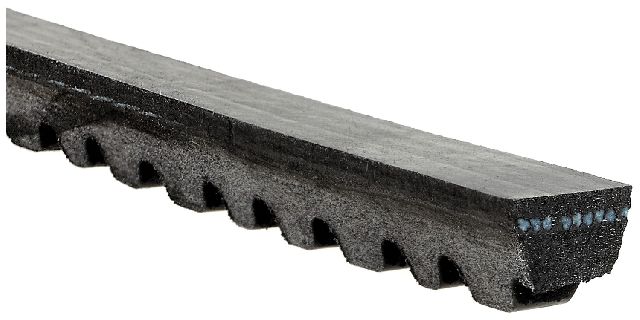
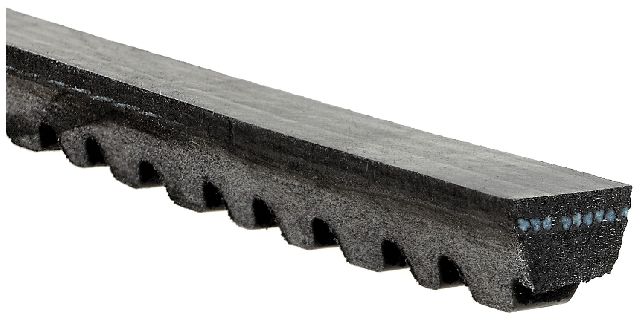
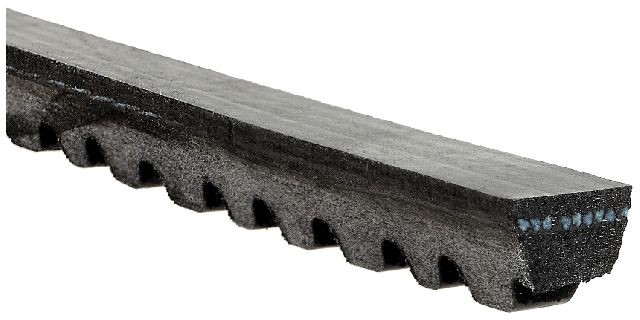
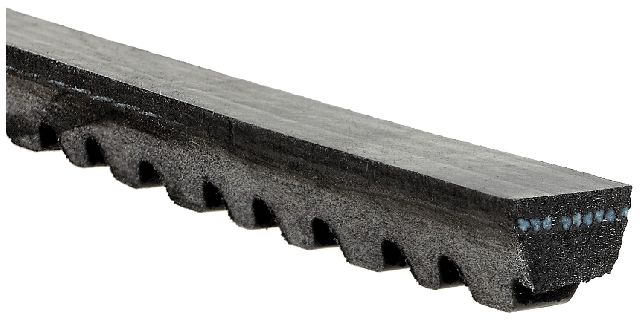
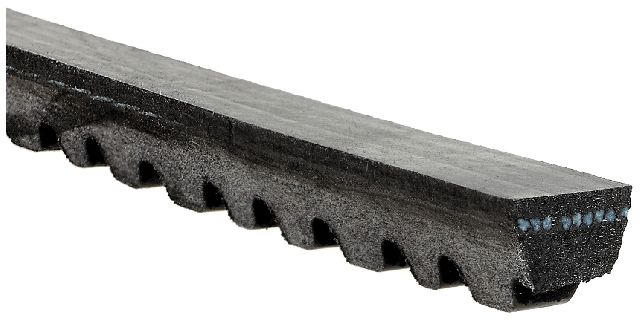
A V-belt has a classic V-shape and sits deep inside a pulley. A multi-ribbed (or serpentine) belt is flat and wide with multiple small V-grooves on one side. Your Lancer may have a combination of both types, so it's important to order the correct one for each accessory.
Can I drive with a squealing belt?
You can, but it's not recommended for long. A squealing belt is a warning that it's worn, loose, or that a pulley bearing is failing. If the belt breaks, you will lose power to a critical component and could be stranded.
How often should I replace my accessory belts?
There is no strict interval for a car of this age. A good rule of thumb is to inspect them at every oil change. As a preventative measure, replacing them every 4 to 5 years or 40,000 to 50,000 miles is a wise investment, regardless of appearance.
Technical Specifications
System Type: Multiple Belts (V-Belts and/or Multi-Ribbed Belts). The exact length, width, and type of belt are specific to the engine (2.2L, 2.5L, Turbo) and accessory package (with or without A/C, Power Steering). Always verify the correct part number for your vehicle's specific configuration.
We Have This Part in Stock

The information in this article is provided for general reference and educational purposes only. Vehicle specifications, procedures, and part compatibility can vary by production date, trim level, and region. Always consult your vehicle's factory service manual and verify part numbers before purchasing or performing repairs. Safety-critical components such as airbags, seat belts, and braking systems should be installed by a qualified professional.
- Dodge Lancer:
- 🛍️ Shop This Part
- Understanding Your Lancer's Accessory Belts
- Symptoms of a Failing Accessory Belt
- No Recalls for This Model
- Choosing the Right Aftermarket Belt
- Tier 1: OEM-Quality Brands
- Tier 2: Reliable Aftermarket Brands
- Tier 3: Specialty & Economy Brands
- Pro Tip: Replace in Sets
- Aftermarket Accessory Belt Cost for 1984-1989 Dodge Lancer
- Frequently Asked Questions (FAQ)
- 🎟️ Get 5% Off