

Ignition Coil Guide for the 1984-1989 Dodge W100
Solve no-start conditions, misfires, and poor performance in your classic Dodge truck with the right ignition coil.
- A primary symptom of coil failure on these trucks is the engine stalling when hot and refusing to restart until it cools down.
- Replacement is a simple DIY task that takes less than 30 minutes with basic tools.
- For reliability, choose a quality aftermarket brand like NGK or Standard Ignition; for a performance upgrade, consider MSD.
- Always consider replacing the inexpensive ballast resistor at the same time as the ignition coil, as its failure causes identical symptoms.
Signs of a Failing Ignition Coil on Your W100
The ignition system on these classic Dodge trucks is relatively simple, but a failing coil can still leave you stranded. Because it's a single coil providing spark for all cylinders, failure affects the entire engine. Watch for these common symptoms:
- Engine Cranks But Won't Start: This is a primary symptom. You'll hear the engine turning over, but it never fires up because there's no spark being created. This can happen suddenly or after the engine has been running and warmed up.
- Engine Misfires and Runs Rough: The truck may shake, sputter, or jerk while driving or idling. This happens when the coil provides a weak or inconsistent spark.
- Stalling, Especially When Hot: A very common issue discussed by owners is the engine dying after it warms up, then refusing to restart until it has cooled down for a period. This points to the coil's internal windings failing under heat.
- Sudden Loss of Power: While driving, you may experience a noticeable drop in acceleration and power as the coil fails to provide enough voltage to the spark plugs.
- Backfiring: Loud popping sounds from the exhaust can occur when unburned fuel, resulting from a lack of spark, ignites in the hot exhaust system.
Choosing the Right Aftermarket Ignition Coil
For a vehicle from this era, you don't need to hunt down an expensive original Mopar part. Quality aftermarket brands offer excellent performance and reliability. The key is to choose a trusted brand, as a cheap, poorly made coil can fail quickly and leave you with the same problems. The brands available are generally grouped into three tiers.
Aftermarket Brand Tiers
| Tier | Brands | Notes |
|---|---|---|
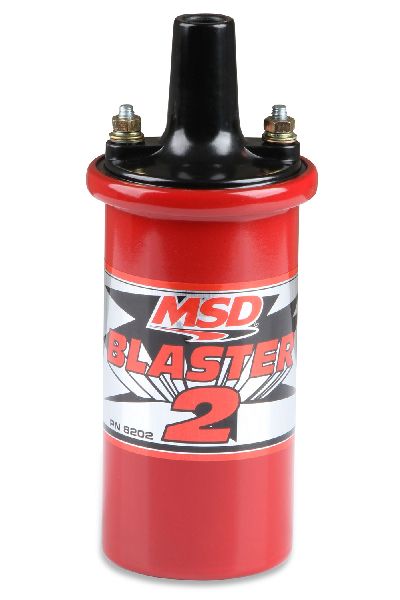
| High-Performance | MSD | MSD is a well-known performance brand that offers coils like the Blaster 2, designed to provide a hotter, more reliable spark than stock. This is a great upgrade for owners looking for maximum reliability and performance, especially if other ignition components have been upgraded. |
| OEM-Quality Replacement | NGK, Standard Ignition (SMP) | Brands like NGK and Standard Ignition are highly regarded for producing reliable parts that meet or exceed original factory specifications. For most W100 owners, a coil from one of these brands is a dependable and cost-effective choice for daily driving and general use. |
| Economy | Spectra, Global Parts | These brands provide a functional replacement at a lower price point. While they will get your truck running, they may not have the same long-term durability or internal component quality as the higher-tiered brands. |
Pro Tip: Check the Ballast Resistor
Your W100's ignition system uses a ballast resistor, which is a small ceramic block that regulates voltage to the coil. These resistors can fail, producing symptoms identical to a bad coil (like stalling when hot). They are inexpensive and easy to replace. If you are replacing your coil, it is a good practice to replace the ballast resistor at the same time.
Frequently Asked Questions (FAQ)
Is it hard to replace the ignition coil on a 1984-1989 W100?
No, it is a very simple job suitable for a beginner. The coil is typically a canister mounted to the firewall or engine with a bracket. The process involves disconnecting the negative battery terminal, unplugging the two small primary wires and the large high-tension wire, unbolting the coil and bracket, and then installing the new coil in reverse order. The entire job usually takes less than 30 minutes with basic hand tools.
Are there any recalls on the ignition coil for this truck?
No, searches of the NHTSA database and other sources show no specific recalls or Technical Service Bulletins (TSBs) for the ignition coil on the 1984-1989 Dodge W100. Recalls for ignition switches on much newer Dodge vehicles do not apply to this truck's ignition system.
Should I replace my spark plugs with the ignition coil?
Yes, it is highly recommended. A failing coil can cause spark plugs to foul with fuel or carbon. Installing a new set of spark plugs with your new coil ensures the entire ignition system is working at peak efficiency and helps guarantee a strong, consistent spark. Consider also inspecting the distributor cap and rotor for wear, as these are also key tune-up items.
What's the difference between a bad coil and a bad ignition control module?
The symptoms can be nearly identical, including a no-start or stalling condition. A common diagnostic step is to check for spark from the coil's main wire. If there is no spark coming out of the coil, the coil itself, the ballast resistor, or the ignition control module that tells the coil when to fire could be the culprit. If you're not comfortable diagnosing it, a mechanic can perform specific tests to isolate the failed part.
Technical Specifications
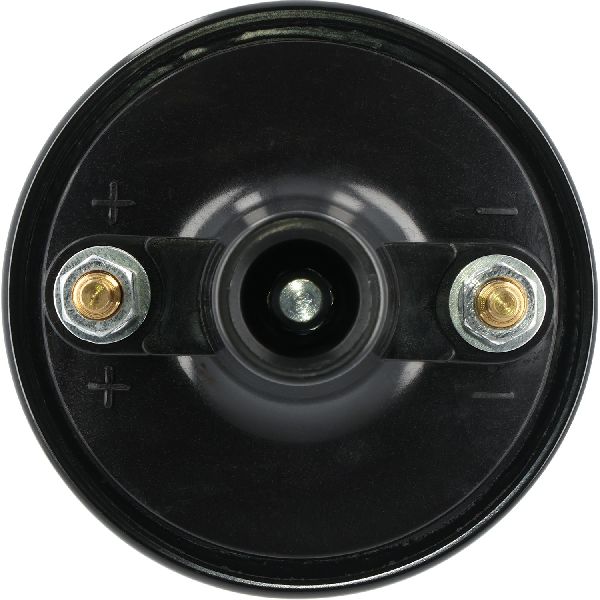
Coil Type: Canister, Oil Filled Ignition Type: Electronic Voltage: 12V Terminal Type: 2-Pin Connector
We Have This Part in Stock


The information in this article is provided for general reference and educational purposes only. Vehicle specifications, procedures, and part compatibility can vary by production date, trim level, and region. Always consult your vehicle's factory service manual and verify part numbers before purchasing or performing repairs. Safety-critical components such as airbags, seat belts, and braking systems should be installed by a qualified professional.
- Dodge W100: