

Ford Thunderbird Throttle Position Sensor (1984-1989): A Deep Dive for Owners
Solving hesitation, stalling, and rough idle in your 1984-1989 Thunderbird starts with understanding this critical sensor.
- A bad TPS is a very common cause of hesitation, rough idle, and stalling on 1984-1989 Thunderbirds.
- Replacement is easy, but the new sensor MUST be adjusted with a multimeter to about 0.9-1.0 volts at idle.
- Choosing a quality aftermarket brand like Delphi or Standard Ignition is a wise investment over cheap, unproven brands.
- Symptoms of a bad TPS can mimic other issues, but testing the sensor's voltage sweep is a definitive diagnostic step.
Is Your Thunderbird Running Rough? It Could Be the TPS.
If you own a 1984-1989 Ford Thunderbird, you know it's a special car. But when it starts acting up, it can be frustrating. A faulty Throttle Position Sensor (TPS) is a common culprit for many engine problems on these models, including the 5.0L V8 and the 2.3L Turbo Coupe. Because this sensor is so critical for engine management, a bad signal can make the car difficult or unpleasant to drive.
Symptoms of a Failing Throttle Position Sensor
A bad TPS sends incorrect information to the engine computer, leading to a variety of symptoms. You might experience one or more of the following:
- Hesitation or Stumbling: The car may hesitate or bog down when you try to accelerate.
- Rough or Unstable Idle: The engine might idle too high, too low, or surge up and down on its own.
- Engine Stalling: The engine may stall unexpectedly, especially when you come to a stop.
- Poor Acceleration: You might feel a significant lack of power, even with the pedal pressed down.
- Automatic Transmission Problems: On cars with an automatic, a bad TPS can cause harsh, late, or incorrect gear shifts.
- Check Engine Light: Your "Check Engine" light may illuminate, storing fault codes related to the TPS. For these EEC-IV systems, codes like 22, 23, or 24 may be present.
Aftermarket Brand Quality Tiers
| Tier | Brands | Our Take |
|---|---|---|
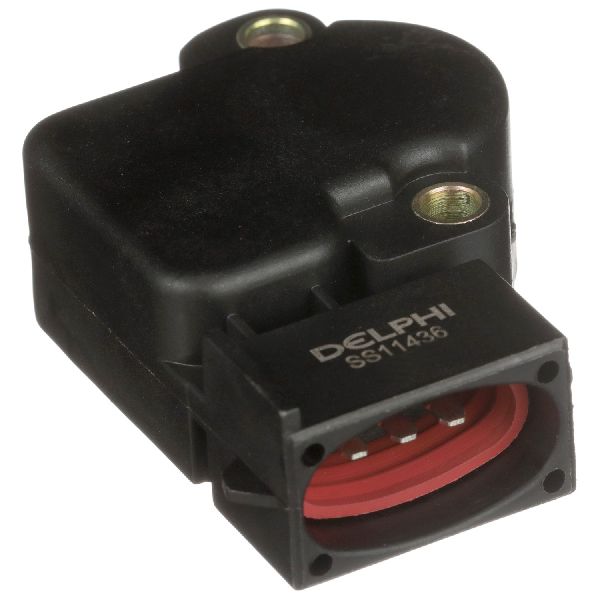
| Premium Aftermarket | Delphi, Standard Ignition (SMP), NGK | These brands are known for producing parts that meet or exceed original equipment (OE) quality. Delphi and Standard are established OE suppliers, making them a reliable choice for a critical sensor. You can expect a precise fit and long service life. |
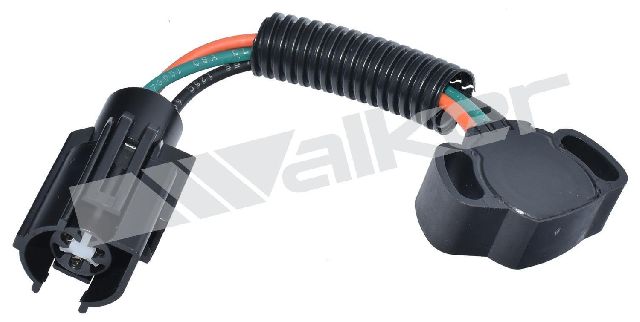
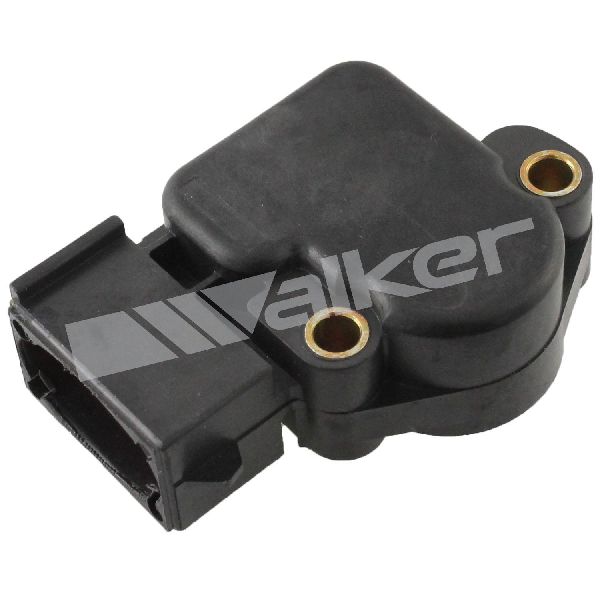
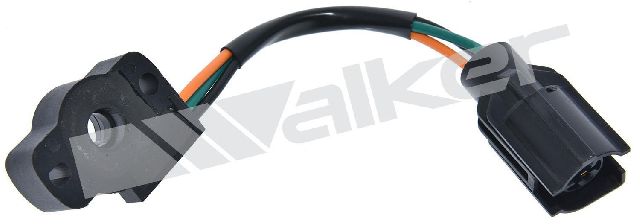
| Mid-Grade Aftermarket | Walker Products | Walker is an ISO-certified company that presents itself as a quality-focused manufacturer. They are a solid choice for owners looking for a good balance between price and reliability. User feedback is generally positive for this type of part. |
| Economy Aftermarket | URO Parts, Global Parts, Replacement | Buyer Beware: While the low price is tempting, economy brands have a mixed reputation. Forum discussions frequently mention quality control issues with brands like URO Parts on critical electronic components. A cheap sensor that fails quickly or provides an unstable signal will cost you more in time and frustration. Use for a critical sensor like the TPS is not recommended. |
How to Choose the Right Aftermarket TPS
For a vehicle from this era, a high-quality aftermarket part is often the best and most practical choice. Original Motorcraft parts are scarce and can be expensive. When choosing a replacement, focus on the brand's reputation for electronic sensors. A premium or solid mid-grade brand is a smart investment to ensure your Thunderbird runs as it should. The small price difference between an economy part and a quality part is worth the peace of mind.
Installation and Adjustment are Key
Replacing the TPS is not just a simple bolt-on job for these cars. It must be adjusted correctly using a multimeter. The sensor is installed loosely, the key is turned to the 'On' position (engine off), and the sensor is physically rotated until the signal wire reads a specific voltage—typically between 0.90V and 1.0V at closed throttle. Once the voltage is set, the screws are tightened. Failure to perform this adjustment will result in continued performance problems, even with a brand new part.
Frequently Asked Questions (FAQ)
Can I replace the TPS myself?
Yes, this is a very DIY-friendly job if you have basic tools and a digital multimeter. The part is held on by two screws and is easy to access after removing the air intake tube. The most important part of the job is the voltage adjustment, which is straightforward with a multimeter.
What happens if I don't adjust the new sensor?
If you just bolt on the new sensor without setting the voltage, the engine computer will receive an incorrect signal for the idle position. This will lead to the same problems you were trying to fix: high or low idle, stalling, hesitation, and poor performance. Adjustment is not optional on these vehicles.
Are there any recalls for the Thunderbird's TPS?
No, there are no specific NHTSA recalls or widespread service campaigns for the throttle position sensor on the 1984-1989 Ford Thunderbird. However, it is a widely acknowledged common failure point among owners and mechanics who work on these cars.
Why do some aftermarket sensors have slotted mounting holes?
Some aftermarket sensors may have slightly different internal clocking. Slotted holes, or the need to slightly enlarge the holes with a drill bit, allow for a wider range of physical adjustment to ensure you can achieve the precise 0.9V-1.0V setting required at idle. This is a common practice when fitting some aftermarket sensors to these cars.
Technical Specifications
OEM Part Numbers: E6AZ-9B989-C CX-1133
Adjustable 3-pin rotary potentiometer sensor. Requires setting to approximately 0.9V-1.0V at closed throttle.
We Have This Part in Stock


The information in this article is provided for general reference and educational purposes only. Vehicle specifications, procedures, and part compatibility can vary by production date, trim level, and region. Always consult your vehicle's factory service manual and verify part numbers before purchasing or performing repairs. Safety-critical components such as airbags, seat belts, and braking systems should be installed by a qualified professional.
- Ford Thunderbird: