

A/C Receiver Drier Guide for the 1984-1989 Mazda 626
Keep your classic Mazda's A/C blowing cold by understanding this critical, must-replace component.
- The A/C receiver drier must be replaced any time the A/C system is opened for repairs.
- Your 1984-1989 Mazda 626 originally used R-12 refrigerant, but may have been converted to R-134a. Verify before servicing.
- Replacement requires special tools to evacuate and recharge the system; this job is best left to a professional shop.
- Symptoms of failure include poor cooling, rattling sounds, and musty smells from the vents.
Is Your 626 A/C Not Cooling Like It Used To?
When the air conditioning in your 1984-1989 Mazda 626 starts to weaken, the receiver drier might be the cause. Because it's designed to absorb moisture, it has a limited lifespan. Once the internal desiccant is saturated, it can no longer protect the system. A failing drier can also become clogged with debris from other components, restricting the flow of refrigerant.
A Mandatory Replacement Rule
The A/C receiver drier must be replaced any time the A/C system is opened for service. This includes jobs like replacing the compressor, condenser, or a leaking hose. Once exposed to outside air, the desiccant material inside is immediately contaminated and can no longer do its job. Failing to replace the drier will void the warranty on most new A/C compressors and will likely lead to the premature failure of your new parts.
Choosing the Right Aftermarket Drier
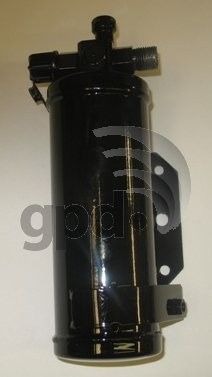
For a vehicle as old as the 1984-1989 Mazda 626, new original equipment manufacturer (OEM) parts are typically no longer available. The market consists almost entirely of new aftermarket parts. Brands like Global Parts Distributors (GPD) produce direct-fit replacement driers for this specific vehicle. While some owners may worry about aftermarket quality, for a part like a receiver drier, the most important factors are a clean, new desiccant and proper fitment. Given the low cost of the part, it is a small but essential investment during any A/C repair. The quality of the installation, especially the evacuation and recharge procedure, is more critical to system performance than the brand of the drier itself.
| Part/Service | Estimated Cost |
|---|---|
| New Aftermarket A/C Receiver Drier | $19.18 - $35.00 |
| Shop Labor (including system evacuation and recharge) | $150 - $250 |
Frequently Asked Questions for 626 Owners
Do I have to replace the drier if I'm just recharging my A/C?
If your system is just low on refrigerant and has no leaks, you do not need to replace the drier for a simple top-off. However, if the system was opened to fix a leak, you absolutely must replace the drier.
What type of refrigerant does my 1984-1989 Mazda 626 use?
From the factory, your Mazda 626 was equipped with R-12 (Freon) refrigerant. R-12 is no longer produced and is difficult to obtain. Many older vehicles have been converted to use the modern R-134a refrigerant. Before servicing, check for a sticker under the hood indicating a conversion. The service ports for R-12 and R-134a are different sizes, which can also help you identify what is in your system.
Can I replace the A/C receiver drier myself?
While removing the part itself may be straightforward, the complete job is not recommended for most DIY mechanics. Replacing the drier requires the A/C system to be professionally evacuated before opening it and then properly vacuumed and recharged with the correct amount of refrigerant and oil afterward. This requires specialized and expensive equipment. Failure to do this correctly will result in poor performance and potential damage.
Are there any recalls on the A/C system for my Mazda 626?
No, there are no recalls or technical service bulletins (TSBs) from Mazda or the NHTSA specifically related to the A/C receiver drier for the 1984-1989 Mazda 626.
Technical Specifications
System uses an expansion valve. Original refrigerant type is R-12. Check for R-134a conversion.
We Have This Part in Stock

The information in this article is provided for general reference and educational purposes only. Vehicle specifications, procedures, and part compatibility can vary by production date, trim level, and region. Always consult your vehicle's factory service manual and verify part numbers before purchasing or performing repairs. Safety-critical components such as airbags, seat belts, and braking systems should be installed by a qualified professional.
- Mazda 626: