

A Guide to the Throttle Position Sensor for the 1984-1989 Mercury Cougar
If your Cougar hesitates, idles poorly, or stalls, the throttle position sensor is a likely culprit.
- Symptoms like hesitation, erratic idle, and stalling are classic signs of a failing TPS in a 1984-1989 Cougar.
- Replacement requires removing the entire throttle body because the sensor is on the bottom.
- You MUST calibrate the new sensor with a multimeter to a voltage between 0.90V and 0.99V at idle for it to work correctly.
- Choose a reputable aftermarket brand like Delphi, NGK, or Standard Ignition, as budget electronic parts are known to fail prematurely.
Is Your Cougar's Throttle Position Sensor Failing?
A bad TPS can cause a range of frustrating engine problems. Because the computer receives incorrect information about what your foot is doing, the engine can't respond properly. Watch for these common signs of failure:
- Hesitation or Stumbling: The car may lag or jerk when you press the gas pedal.
- Poor or Erratic Idle: The engine might idle too high, too low, or surge up and down on its own.
- Engine Stalling: The engine may stall unexpectedly, especially when coming to a stop or at idle.
- Lack of Power: The car may feel sluggish and struggle to accelerate.
- Automatic Transmission Problems: You might experience hard, delayed, or erratic gear shifts.
- Check Engine Light: A failing TPS will often trigger the check engine light on your dashboard.
A Note on Engine Codes
Your 1984-1989 Cougar uses an older diagnostic system called OBD-I. While modern scanners may show codes like P0121, P0122, or P0123, the original Ford codes for a TPS issue are often 23 or 53. These codes point to the sensor's signal being out of range or incorrect.
Choosing the Right Aftermarket TPS Brand
For a vehicle of this age, original Motorcraft parts are generally discontinued. The aftermarket is your main source for a new TPS. However, quality varies greatly between brands, and for an important electronic sensor, choosing a reliable part is key to avoiding future headaches.
Tier 1: High-Quality & OE-Reputation Brands
These brands are known for making reliable electronic components that meet or exceed original specifications. They are a solid choice for a long-lasting repair.
- Delphi: A well-respected manufacturer with a history as an Original Equipment (OE) supplier for many carmakers.
- NGK: Famous for spark plugs, NGK also produces a line of high-quality engine sensors that are well-regarded.
- Standard Ignition (SMP): A long-standing and trusted name in the aftermarket for quality electronic and engine management parts.
Tier 2: Standard Replacement Brands
This brand offers a balance of value and quality, often marketing itself as an OE-equivalent replacement.
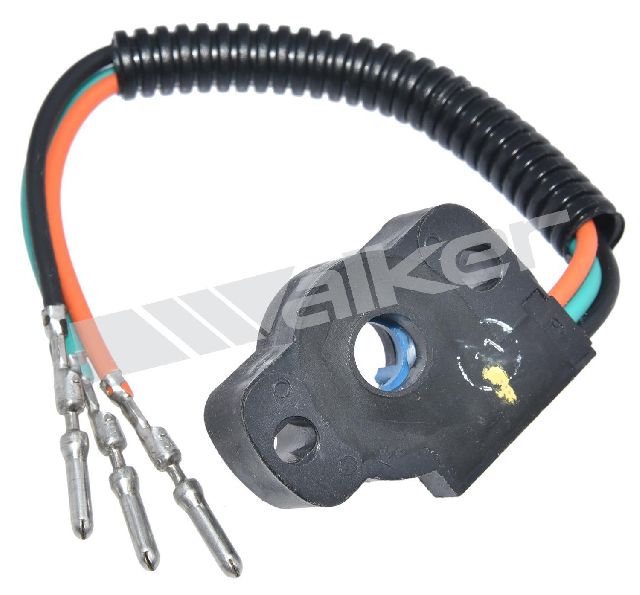
- Walker Products: An established aftermarket company that states its sensors are 100% tested and engineered to meet OE fit and function. Generally seen as a reliable standard replacement option.
Tier 3: Budget Brands
These brands compete on price, but forum discussions often highlight a higher risk of defects, poor fitment, or a short lifespan. For a critical sensor like the TPS, a cheap part can cause the same drivability problems you're trying to fix.
- URO Parts: Frequently mentioned in online forums as a budget-focused brand. Some users report success with simple mechanical parts, but many advise against using their electronic components due to fitment and reliability concerns.
- Global Parts: A lesser-known brand in the sensor space, placing it in the budget category due to a lack of widespread reputation for electronic parts.
Installation Tips for the 1984-1989 Cougar
Replacing the TPS on this generation of Cougar is a straightforward job for a DIYer, but it has one complication: the sensor is on the bottom of the throttle body. This means you'll need to remove the entire throttle body assembly to get to it.
- Disconnect the negative battery terminal.
- Remove the air intake ducting from the throttle body.
- Carefully disconnect the throttle cable, cruise control cable (if equipped), and electrical connectors for the TPS and Idle Air Control (IAC) valve.
- Be prepared for some coolant spillage. You'll need to disconnect the two small coolant lines that run through the throttle body to warm it. Pinching them off can minimize the mess.
- Unbolt the throttle body from the intake manifold and remove it.
- With the throttle body on a workbench, you can now easily access and replace the two screws holding the TPS.
Calibration is Required!
You cannot just bolt on the new sensor. These older Ford systems require you to set the TPS voltage. With the key on (engine off), use a multimeter to measure the voltage between the signal and ground wires. Rotate the sensor within its slotted holes until the closed-throttle voltage is between 0.90V and 0.99V. Some aftermarket sensors may require you to slightly enlarge the mounting holes with a drill to achieve this range.
| Part Type | Price Range |
|---|---|
| New Aftermarket TPS | $44.83 - $82.43 |
| Shop Labor | $100 - $200 |
| New OEM (Motorcraft) | Discontinued |
| Used OEM (Junkyard) | $20 - $40 (Not Recommended) |
Frequently Asked Questions
Where is the TPS located on my 1984-1989 Cougar?
It is bolted to the underside of the engine's throttle body, which is at the front of the engine where the large air intake hose connects.
Can I just clean my old throttle position sensor?
No. The TPS fails because the internal electronic contacts wear out, not because it's dirty. Cleaning will not fix a worn-out sensor; it must be replaced.
Do I have to disconnect the battery to change the TPS?
Yes. It is a critical safety step to prevent electrical shorts and to help the engine computer reset and relearn the new sensor's values once the job is done.
What happens if I don't set the voltage on the new TPS?
If the voltage is set incorrectly, the engine computer will get the wrong information about the throttle position. This can lead to the exact same problems as a failed sensor, such as poor idle, hesitation, and bad shifting, even with a brand new part.
Technical Specifications
OEM Part Numbers: E7SZ-9B989-A E5ZF-9B989-AA E6ZZ-9B989-A Motorcraft CX1228
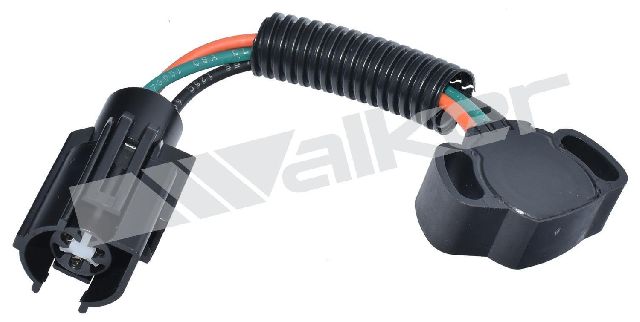
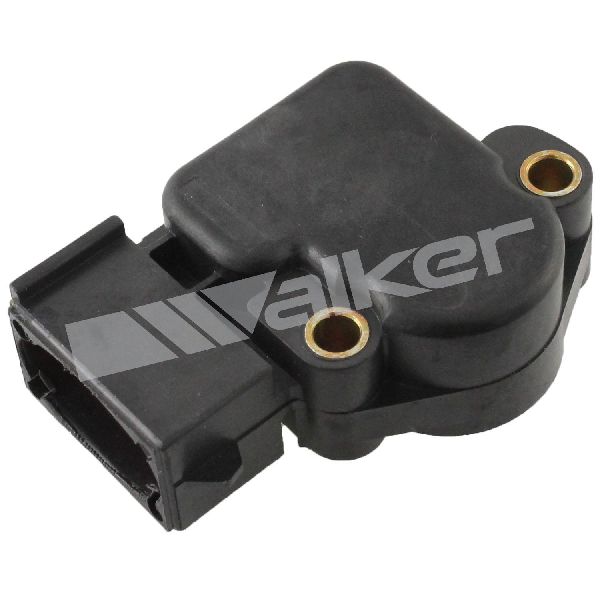
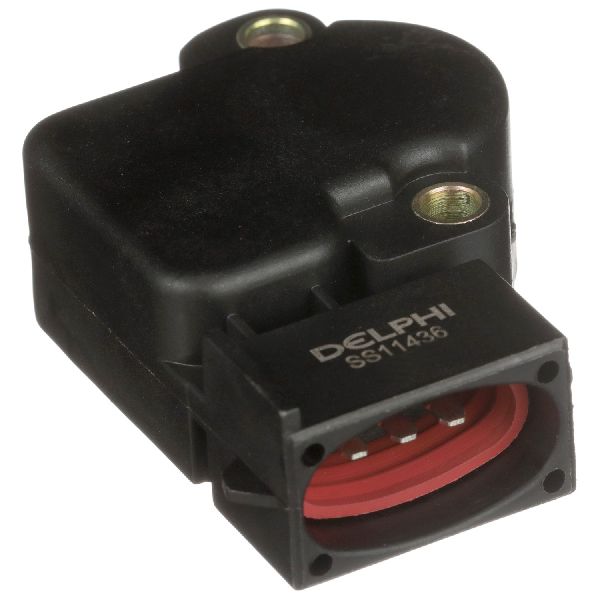
3-pin variable resistor sensor, requires voltage adjustment upon installation.
We Have This Part in Stock


The information in this article is provided for general reference and educational purposes only. Vehicle specifications, procedures, and part compatibility can vary by production date, trim level, and region. Always consult your vehicle's factory service manual and verify part numbers before purchasing or performing repairs. Safety-critical components such as airbags, seat belts, and braking systems should be installed by a qualified professional.
- Mercury Cougar:
- 🛍️ Shop This Part
- Is Your Cougar's Throttle Position Sensor Failing?
- A Note on Engine Codes
- Choosing the Right Aftermarket TPS Brand
- Tier 1: High-Quality & OE-Reputation Brands
- Tier 2: Standard Replacement Brands
- Tier 3: Budget Brands
- Installation Tips for the 1984-1989 Cougar
- Calibration is Required!
- Frequently Asked Questions
- 🎟️ Get 5% Off