

Toyota 4Runner Oxygen Sensor Guide for 1984-1989 Models
Restore your 22R-E's fuel economy and smooth idle by understanding and replacing your oxygen sensor.
- For best results and to avoid issues, use a Denso or NGK/NTK brand oxygen sensor, as they are the OEM suppliers for Toyota.
- A new oxygen sensor is a common fix for poor gas mileage, rough idling, and failed emissions tests on the 22R-E engine.
- Replacement is a simple DIY job with basic tools, as long as the two mounting nuts are not seized with rust.
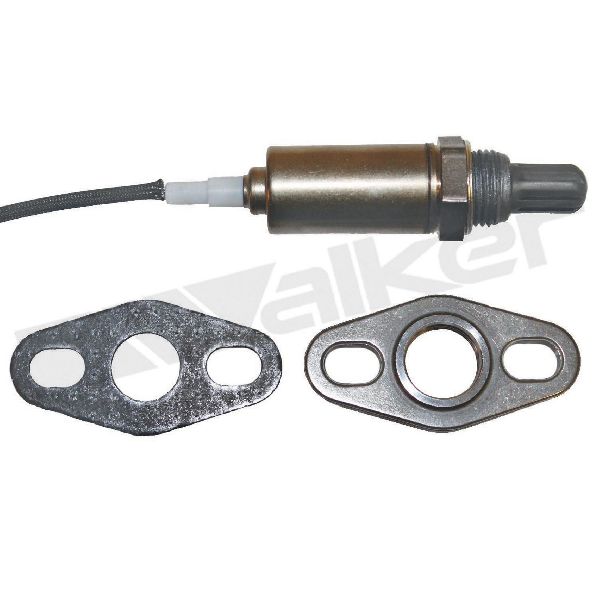
- Verify if your truck needs a 1-wire (84-87) or multi-wire (88-89) sensor before purchasing.
Is a Bad Oxygen Sensor Hurting Your 4Runner's Performance?
For a first-generation Toyota 4Runner with the 22R-E engine, the oxygen sensor is a key component for engine efficiency. When it starts to fail, the engine's computer receives incorrect information, leading to a poor air-fuel mixture. This can cause a range of noticeable problems, from bad gas mileage to a rough idle. Because these sensors wear out over time from constant exposure to hot exhaust gases, replacement is a common maintenance item.
Symptoms of a Failing Oxygen Sensor
A bad O2 sensor won't usually leave you stranded, but it will make your truck run poorly. Common signs include:
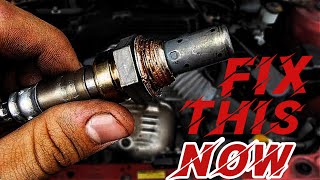
🎬 See a visual guide on common bad oxygen sensor symptoms.- Poor Fuel Economy: This is the most common symptom. The engine computer may default to a rich fuel mixture, causing you to use significantly more gas.
- Rough Idle or Stalling: An incorrect air-fuel mix can make your engine idle unevenly or even stall at stops.
- Check Engine Light: On these early models, a failing O2 sensor can trigger a diagnostic code. For early 22R-E engines, this is often Code 5. For later models in this range, it may be Code 21.
- Failed Emissions Test: An O2 sensor is crucial for controlling emissions. A bad sensor is a common reason for failing a smog test.
- Gasoline Smell: A strong smell of fuel from the exhaust can indicate a rich condition caused by a faulty sensor.
Choosing the Right Aftermarket Oxygen Sensor
When it comes to electronics on these Toyotas, not all brands are created equal. Sticking to brands known for their quality and compatibility with Toyota systems is the best way to avoid future headaches. Forum discussions among longtime owners consistently show a strong preference for specific brands.
Pro Tip: Direct Fit vs. Universal
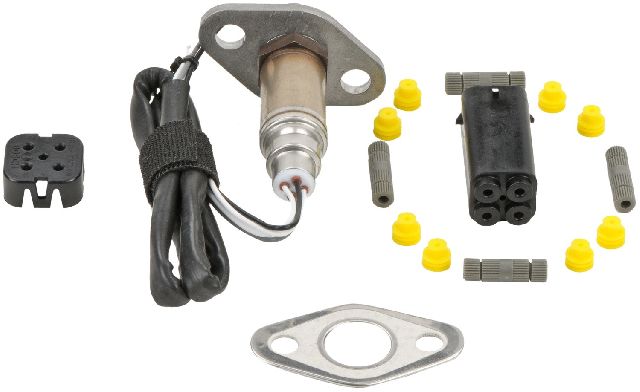
Sensors come in two types: "Direct Fit" and "Universal." A direct fit sensor has the correct plug for your vehicle's wiring harness and is the easiest to install. A universal sensor requires you to cut the plug off your old sensor and splice it onto the new one. While cheaper, this adds a potential point of failure if the connections aren't perfect.
Brand Quality Tiers
Tier 1 - OEM & OEM-Equivalent (Recommended):
- Denso: Denso is the original equipment manufacturer (OEM) for most Toyota electronics. Choosing a Denso sensor is the closest you can get to buying the part from a Toyota dealer. It is widely considered the best choice for reliability and performance in a 22R-E engine.
- NGK (NTK): NGK, whose sensor line is branded as NTK, is another top-tier Japanese manufacturer and a common OEM supplier. They are considered an excellent and reliable alternative to Denso.
Tier 2 - Reputable Aftermarket:
- Bosch: Bosch is a well-known German brand that produces quality sensors. While some owners use them without issue, the general consensus in Toyota forums is to stick with Denso or NGK for best results, as some have reported shorter lifespans with Bosch sensors in Japanese vehicles.
- Delphi: Delphi is a major American parts manufacturer with a solid reputation. Their sensors are a viable mid-range option.
Tier 3 - Budget Options:
- Walker Products & Spectra: These brands offer more budget-friendly options. They can be a good choice if cost is the primary concern, but they may not offer the same longevity or precise calibration as the OEM-tier brands.
Cost of Replacing a 1984-1989 4Runner Oxygen Sensor
| Part Type | Estimated Cost |
|---|---|
| New Aftermarket Sensor | $22.88 - $134.65 |
| New OEM (Toyota/Denso) | $90 - $150 |
| Shop Labor | $50 - $120 |
Installation Tips
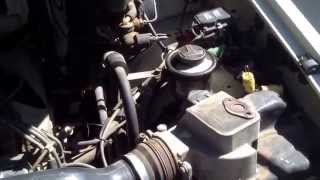
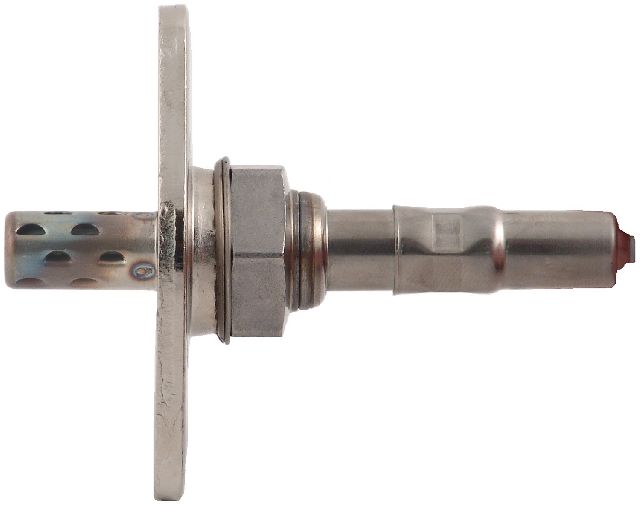
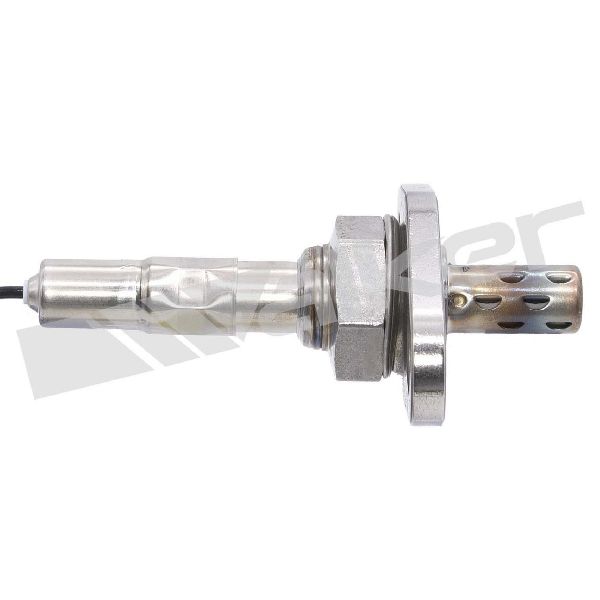
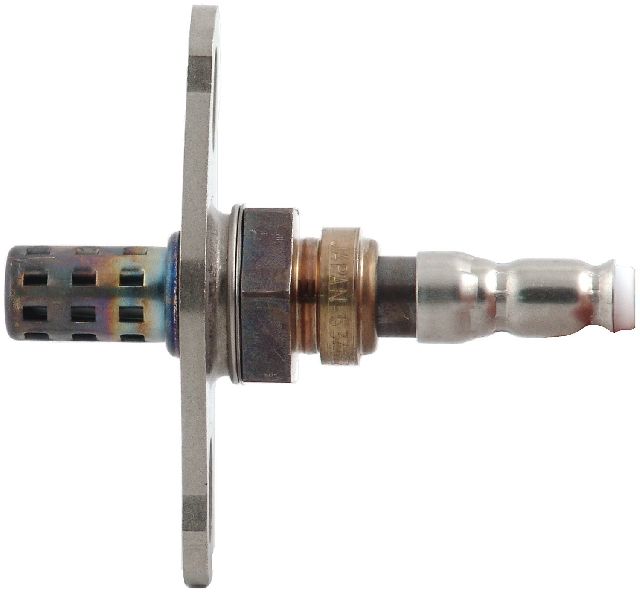
Replacing the O2 sensor is a straightforward job for a DIY mechanic. On the first-generation 4Runner, the sensor is typically located on the exhaust manifold, accessible from the engine bay. It is a flange-mount type held on by two 12mm nuts.
- Let the exhaust cool down completely.
- Locate the sensor on the exhaust manifold. Spray the two nuts with penetrating oil and let them soak to make removal easier.
- Disconnect the electrical plug.
- Remove the two nuts holding the sensor.
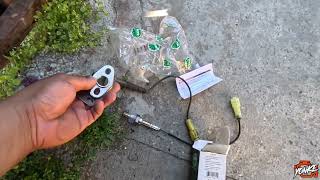
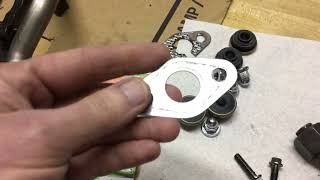
- Clean the mounting surface on the manifold before installing the new gasket and sensor. 🎬 See this walkthrough for installing the sensor and exhaust gaskets.
- Install the new sensor with its gasket and tighten the nuts.
- Apply a small amount of dielectric grease to the electrical connector pins before plugging it in.
Watch Out for Seized Nuts
The biggest challenge is often the two nuts holding the sensor, which can be rusted solid. Be patient with penetrating oil, and use a good 6-point socket to avoid stripping them.
Frequently Asked Questions
How do I know which oxygen sensor to buy for my 4Runner?
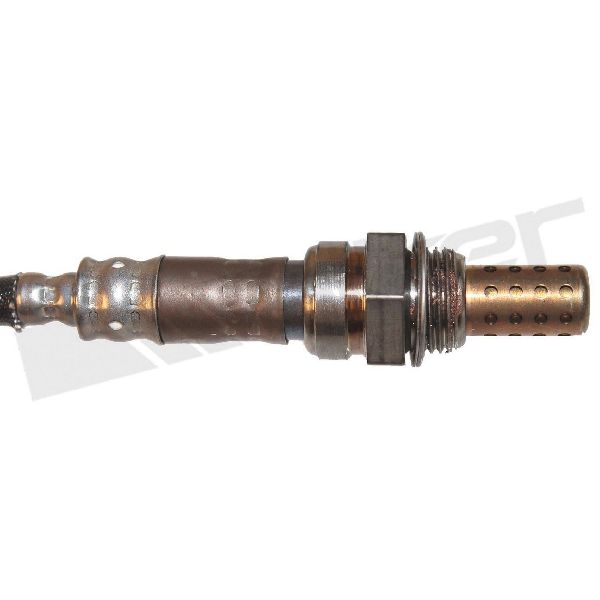
The 1984-1987 models typically use a single-wire, unheated sensor. The 1988-1989 models may use a two-wire or four-wire heated sensor. It is crucial to visually inspect your current sensor and its connector to ensure you purchase the correct replacement. Direct-fit sensors from Denso or NGK are highly recommended to avoid compatibility issues.
Can I clean my old oxygen sensor?
While some people attempt to clean O2 sensors, it is not a reliable or long-term solution. The sensing elements degrade internally over time, and cleaning the exterior will not restore their function. Replacement is the only proper fix.
Do I need a special tool to replace the sensor?
No. Unlike many modern screw-in sensors that require a special slotted socket, the sensor on the 1984-1989 4Runner is a flange-mount style. It can be removed with a standard 12mm socket and ratchet.
What is the difference between a 1-wire and a 4-wire sensor?
A 1-wire sensor is unheated and relies on the exhaust heat to reach operating temperature. A 4-wire sensor has a built-in heater circuit (two of the wires) that brings it to temperature much faster, allowing the engine to enter 'closed-loop' mode sooner for better efficiency and emissions control right after starting. If your truck has a 1-wire sensor, you must replace it with a 1-wire sensor.
Helpful Videos
Technical Specifications
OEM Part Numbers: 89465-35690 89465-60330
Varies by year. 1984-1987 models typically use a single-wire, unheated, flange-mount sensor. 1988-1989 models may use a two-wire or four-wire heated, flange-mount sensor. The mounting uses two studs and a gasket.
We Have This Part in Stock

The information in this article is provided for general reference and educational purposes only. Vehicle specifications, procedures, and part compatibility can vary by production date, trim level, and region. Always consult your vehicle's factory service manual and verify part numbers before purchasing or performing repairs. Safety-critical components such as airbags, seat belts, and braking systems should be installed by a qualified professional.
- Toyota 4Runner:
- 🎬 Helpful Videos
- 🛍️ Shop This Part
- Is a Bad Oxygen Sensor Hurting Your 4Runner's Performance?
- Symptoms of a Failing Oxygen Sensor
- Choosing the Right Aftermarket Oxygen Sensor
- Pro Tip: Direct Fit vs. Universal
- Brand Quality Tiers
- Cost of Replacing a 1984-1989 4Runner Oxygen Sensor
- Installation Tips
- Watch Out for Seized Nuts
- Frequently Asked Questions
- 🎟️ Get 5% Off