

Ford Bronco II Engine Coolant Temperature Sensor Guide (1984-1990)
A bad coolant sensor can cause major engine problems on your Bronco II, but it's an easy and affordable fix.
- Crucially, distinguish between the two-wire ECT sensor for the engine computer and the one-wire sender for the dashboard gauge; they are not interchangeable.
- A bad ECT sensor is a common cause of a rich running condition, leading to black smoke, poor gas mileage, and rough idle.
- For long-term reliability, choosing a Motorcraft (OEM) or a premium aftermarket brand like Delphi or NGK is highly recommended over economy options.
- This is a simple, inexpensive DIY repair that can solve significant engine performance problems and prevent future damage to other components.
Is it a Sensor or a Sender? Don't Replace the Wrong Part!
A very common mistake on 1984-1990 Ford Bronco IIs is confusing the Engine Coolant Temperature (ECT) Sensor with the Coolant Temperature Sender. They look similar but do very different jobs.
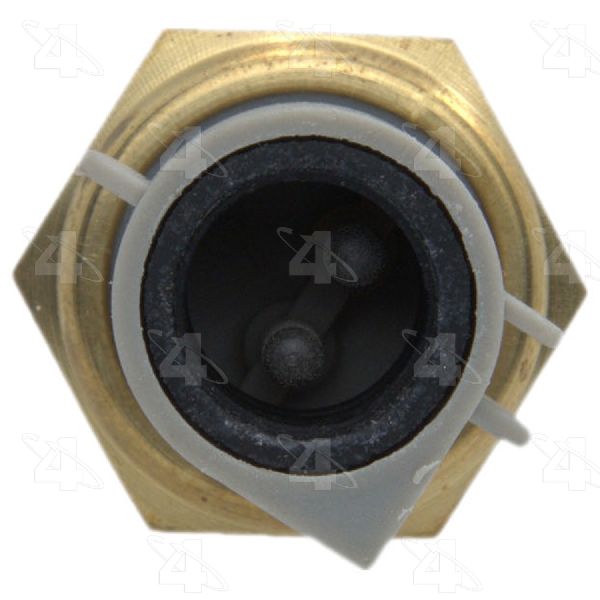
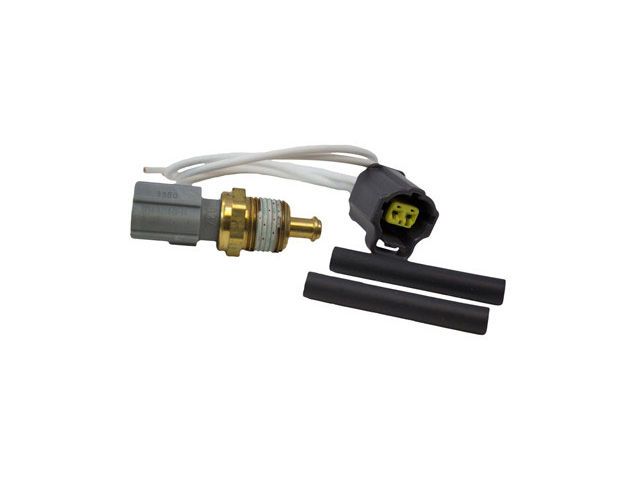
- The ECT Sensor has a two-wire connector and talks to the engine computer. If this part fails, you will have engine performance problems like poor idle and bad gas mileage. This is the part this guide focuses on.
- The Coolant Temperature Sender has a one-wire connector. Its only job is to run the temperature gauge on your dashboard. If this part fails, your gauge will stop working, but your engine will run fine.
Pro Tip: If your temperature gauge is dead but the engine runs great, you need the one-wire sender. If the engine is running poorly, smoking, or getting bad gas mileage, you need the two-wire ECT sensor.
Symptoms of a Failing ECT Sensor
🎬 Watch this video to see common symptoms of a bad sensor.When the ECT sensor fails, it usually sends a false signal to the computer, telling it the engine is always cold. This tricks the computer into dumping too much fuel into the engine, a condition known as "running rich."
- Black Smoke from Exhaust: This is one of the most common signs. It's unburned fuel coming out of your tailpipe.
- Poor Fuel Economy: The engine wastes gas by running a rich mixture all the time.
- Rough Idle or Stalling: The incorrect air-fuel mixture makes it hard for the engine to idle smoothly, especially when it's warm.
- Hard Starting: While less common, if the sensor wrongly tells the computer the engine is hot, it can make cold starts difficult.
- Check Engine Light: On these older models, a Check Engine Light may not always appear, but a failing sensor can store fault codes in the computer. Common codes for a bad ECT sensor on Ford's EEC-IV system include Code 21 or 116/117/118 on later models.
Choosing the Right Aftermarket Sensor: Brand Quality
For a critical sensor like the ECT, quality matters. A cheap, inaccurate sensor can cause the same problems as a broken one. Here’s a breakdown of brand tiers based on owner feedback and mechanic consensus.
| Brand Tier | Brands | Notes |
|---|---|---|
| OEM / Premium | Motorcraft, Delphi, NGK | Motorcraft is the original Ford part and the benchmark for quality and fit. Many owners report that aftermarket sensors can fail prematurely and recommend sticking with Motorcraft for critical electronics. Delphi and NGK are respected OEM suppliers with a reputation for quality electronics that often meet or exceed original specs. |
| Quality Aftermarket | Standard Ignition (SMP), Holstein | Standard Motor Products (SMP) is a long-standing aftermarket brand generally considered a reliable choice. Holstein parts are also a viable option for owners seeking a balance between price and quality. |
| Economy | Four Seasons, Global Parts, True Tech | These brands offer a budget-friendly price point. They can be a suitable choice for a quick repair, but their long-term durability and sensor accuracy may not match the premium brands. For a part this critical and inexpensive, investing in a higher-tier brand is often recommended. |
How Much Does an ECT Sensor Replacement Cost?
This is an inexpensive repair, especially if you do it yourself. The parts are affordable, and the job is straightforward.
| Item | Cost |
|---|---|
| New Aftermarket Part | $12.13 - $56.45 |
| New OEM (Motorcraft) Part | $30 - $60 |
| Shop Labor | $50 - $100 |
| Total Professional Replacement 🎬 Learn more about the costs and symptoms of sensor failure. | $80 - $160 |
Frequently Asked Questions (FAQ)
Where is the ECT sensor located on a 1984-1990 Bronco II?
On the 2.8L and 2.9L V6 engines, the two-wire ECT sensor is typically located on the top, front of the lower intake manifold, near the thermostat housing. It will have a two-wire electrical connector. Do not confuse it with the single-wire sender for the gauge, which is often nearby.
Can I replace the ECT sensor myself?
Yes, this is a great DIY job for beginners. The sensor is usually easy to access. The basic steps are to let the engine cool completely, partially drain a small amount of coolant from the radiator, unplug the old sensor, unscrew it, and then install the new one. Remember to top off your coolant afterward.
Do I need to use sealant on the threads?
Many new sensors come with a sealant already applied to the threads. If yours does not, it is a good idea to apply a small amount of thread sealant to prevent leaks. However, do not put sealant on the first few threads, as a good ground connection might be needed for some designs.
What happens if I ignore a bad ECT sensor?
Continuing to drive with a bad sensor is not recommended. The constant rich fuel mixture can foul your spark plugs, ruin your oxygen sensor, and eventually damage your expensive catalytic converter from being saturated with unburned fuel.
Helpful Videos
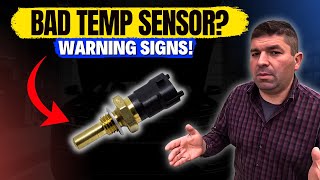
Technical Specifications
OEM Part Numbers: E7RY-12A648-A 9U2Z-12A648-A E1AZ12A648A
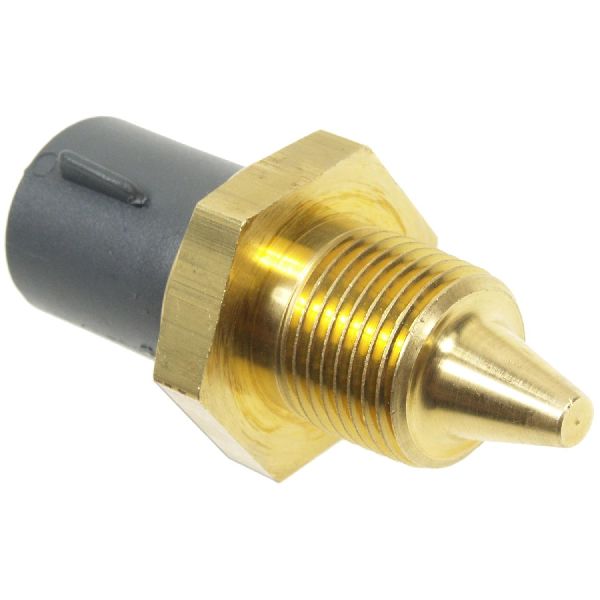
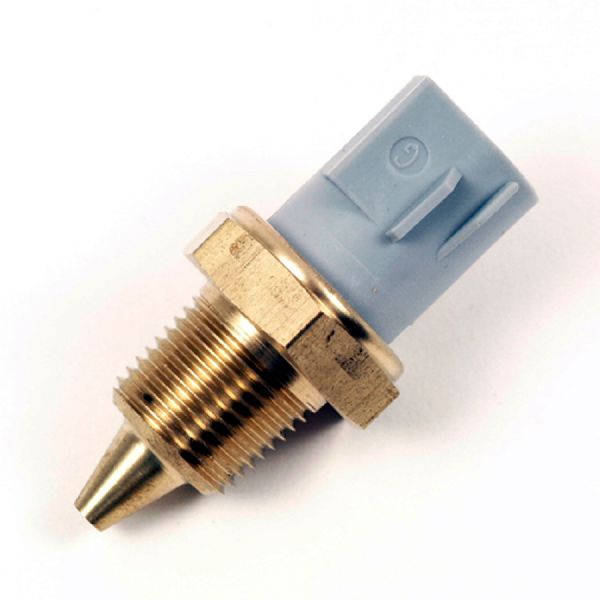
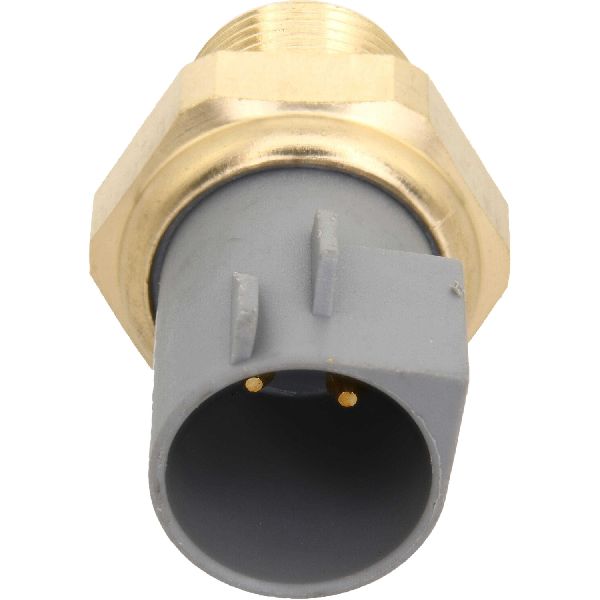
Two-wire connector, threaded brass housing. Located near the thermostat housing on the intake manifold for V6 models.
We Have This Part in Stock


The information in this article is provided for general reference and educational purposes only. Vehicle specifications, procedures, and part compatibility can vary by production date, trim level, and region. Always consult your vehicle's factory service manual and verify part numbers before purchasing or performing repairs. Safety-critical components such as airbags, seat belts, and braking systems should be installed by a qualified professional.
- Ford Bronco II: