

Ford Bronco II (1984-1990) Radius Arm Bushing Replacement Guide
Clunking noises and sloppy steering on your Bronco II could mean it's time for new radius arm bushings.
- Bad radius arm bushings on a 1984-1990 Bronco II cause clunking noises, steering wander, and unstable braking.
- Check if your radius arm brackets are riveted to the frame; if so, they must be drilled or cut off and replaced with Grade 8 bolts.
- Choose between softer, quieter rubber bushings for a stock ride or firmer, more durable polyurethane bushings for improved steering response.
- If your Bronco II is lifted, use 'degreed' bushings or an extended radius arm kit to correct suspension geometry and prevent premature wear.
Is Your Bronco II Making a Clunking Sound?
If you're hearing a 'clunk' or 'pop' from the front end when you go over bumps, hit the brakes, or even just turn into a driveway, there's a good chance your radius arm bushings are worn out. These rubber parts wear down over time, becoming hard, cracked, or mushy. When they fail, they allow for metal-on-metal contact between the radius arm and the frame bracket, causing noise and a number of other symptoms that affect your truck's handling and safety.
Symptoms of Bad Radius Arm Bushings
- Clunking or Popping Noises: The most common symptom is a distinct clunking sound from the front suspension, especially at slower speeds over bumps or when braking.
- Steering Wander: The truck may feel like it's 'wandering' on the road, requiring constant steering corrections to keep it straight.
- Poor Braking Stability: During hard braking, the front wheels can feel like they 'roll under' the vehicle, causing a momentary loss of steering control.
- Uneven Tire Wear: Worn bushings can throw off your alignment, causing 'cupping' or other unusual wear patterns on your front tires.
- Vibrations: You might feel vibrations through the steering wheel as the loose connection allows for excess movement.
A Common Problem: The Frame Brackets
On many Bronco IIs, the radius arm brackets were riveted to the frame at the factory. To replace the bushings, these rivets must be removed by grinding, drilling, or cutting with a torch. They are then replaced with high-strength Grade 8 bolts. This can turn a seemingly simple job into a much more involved process. Before you start, check to see if your brackets are held on with rivets or bolts.
Choosing the Right Aftermarket Bushings: Rubber vs. Polyurethane
Original equipment (OEM) bushings were made of rubber. Aftermarket replacements come in two main types, each with its own pros and cons for a Bronco II owner.
Standard Rubber Bushings
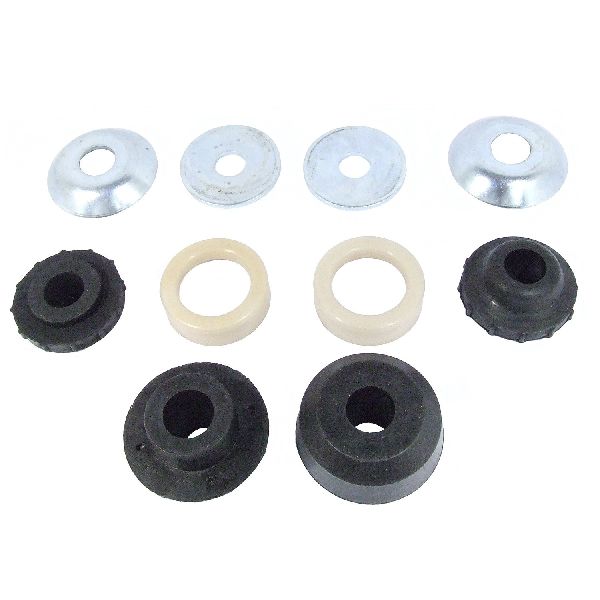
These are your direct, factory-style replacements. Brands like Dorman and other OE-style manufacturers offer kits that restore the original ride quality.
- Pros: Quiet operation, smooth ride, allows for maximum suspension flex for off-roading.
- Cons: Not as durable as polyurethane; can wear out faster, especially on lifted trucks or those used for heavy off-roading.
Polyurethane (Poly) Bushings
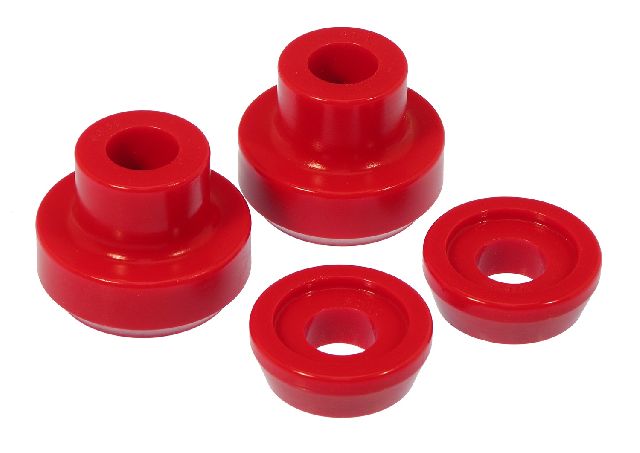
These are a popular performance upgrade. Brands like Energy Suspension and Prothane are well-known in this category.
- Pros: Much more durable than rubber, provides a firmer ride, improves steering response, and reduces suspension slop.
- Cons: Can make the ride noticeably stiffer or harsher. They can also squeak if not installed with the proper grease. Some owners feel they put more stress on other suspension parts because they don't flex as much as rubber.
A Note for Lifted Trucks
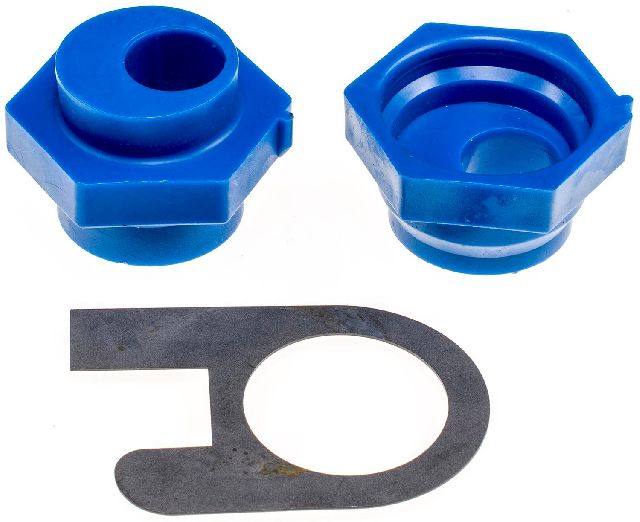
If your Bronco II has a suspension lift, the angle of the radius arm is changed, which puts extra stress on standard bushings and can cause them to fail quickly. Consider using 'degreed' or 'offset' bushings, which are specially designed to work with the new angle. Alternatively, brands like Skyjacker offer extended radius arms for lifted applications that correct the geometry and come with appropriate bushings.
Aftermarket Radius Arm Bushing Cost (1984-1990 Ford Bronco II)
| Brand Tier | Typical Brands | Material | Estimated Price (Per Set) |
|---|---|---|---|
| Standard Replacement | Dorman, Replacement, SKP, Mevotech | Rubber | $15 - $30 |
| Performance / Heavy-Duty | Energy Suspension, Prothane, Moog | Polyurethane / High-Density Rubber | $25 - $50 |
| Lifted / Off-Road System | Skyjacker, James Duff | Polyurethane (often part of a larger kit) | $40 - $60+ (for bushings only) |
Note: Prices are estimates and can vary based on the retailer and specific kit contents.
Frequently Asked Questions
Do I have to replace both sides at the same time?
Yes. If one bushing has failed, the other is likely in similar condition. Replacing both ensures balanced handling and saves you from having to do the job twice.
Will I need an alignment after replacing my radius arm bushings?
It is highly recommended. Worn bushings will have affected your alignment, and installing new ones will change the suspension geometry. An alignment is necessary to prevent tire wear and ensure proper handling.
My bracket is damaged. Can I replace it?
Yes. If a worn bushing was neglected, the radius arm may have damaged the bracket. Aftermarket replacement brackets are available from brands like Moog and Dorman. Remember that these are often riveted to the frame.
Is this a difficult job to do myself?
It can be challenging, especially if you have to deal with rusted bolts or riveted brackets. The process involves safely lifting and supporting the vehicle, and you may need tools like a grinder, a torch, large sockets (1 1/4"), and potentially a come-along or heavy-duty jack to manipulate the axle. It is considered a difficult DIY for a beginner but manageable for an experienced home mechanic.
Technical Specifications
The kit typically includes four bushing halves (two per side) and may include new washers or spacers. The main components are the large forward bushing and the smaller rearward bushing that sandwich the frame bracket.
We Have This Part in Stock

The information in this article is provided for general reference and educational purposes only. Vehicle specifications, procedures, and part compatibility can vary by production date, trim level, and region. Always consult your vehicle's factory service manual and verify part numbers before purchasing or performing repairs. Safety-critical components such as airbags, seat belts, and braking systems should be installed by a qualified professional.
- Ford Bronco II:
- 🛍️ Shop This Part
- Is Your Bronco II Making a Clunking Sound?
- Symptoms of Bad Radius Arm Bushings
- A Common Problem: The Frame Brackets
- Choosing the Right Aftermarket Bushings: Rubber vs. Polyurethane
- Standard Rubber Bushings
- Polyurethane (Poly) Bushings
- A Note for Lifted Trucks
- Aftermarket Radius Arm Bushing Cost (1984-1990 Ford Bronco II)
- Frequently Asked Questions
- 🎟️ Get 5% Off