

Ford Bronco II Speedometer Cable Guide for 1984-1990 Models
Fix your Bronco II's bouncing or dead speedometer needle with the right replacement cable.
- A bouncing needle, whining noise, or dead speedometer are classic signs of a failed speedometer cable in a Bronco II.
- Aftermarket cables from brands like ATP and Pioneer are affordable, reliable, and the most common repair choice.
- Always lubricate the new inner cable with graphite or lithium grease before installation to ensure a long, smooth life.
- Check for sharp bends in the cable routing, as this is a primary cause of premature failure and a bouncing needle.
Is Your Bronco II's Speedometer Acting Up?
A faulty speedometer cable is a very common issue on the 1984-1990 Ford Bronco II. After decades of service, the internal spinning core of the cable can dry out, get kinked, or simply snap from fatigue. This leads to some classic symptoms that are hard to ignore and often point to a simple cable replacement.
Common Symptoms of a Bad Speedometer Cable
- Bouncing or Wavering Needle: This is the most common sign of a failing cable. It's usually caused by the inner cable binding and releasing inside the housing due to lack of lubrication or a kink in the line.
- Grinding or Whining Noise: You might hear a grinding, squealing, or whining sound coming from behind the dashboard or from the cable's path. This is often the sound of the dry inner cable spinning and scraping inside the outer sheath.
- No Speed Reading: If your speedometer needle stays at zero, the inner cable has likely snapped completely or become disconnected from the transmission gear or the back of the gauge cluster.
Choosing the Right Aftermarket Cable
Original Ford (OEM) speedometer cables for the Bronco II are essentially discontinued. Fortunately, the aftermarket provides reliable and affordable options. For a mechanical part like this on an older vehicle, aftermarket quality is generally very good and is the most practical choice.
Aftermarket Brand Tiers
| Brand Tier | Brands | Description |
|---|---|---|
| Standard Replacement | ATP, Pioneer Cable | These brands are the workhorses for direct-fit replacements. They produce affordable, reliable cables designed to match the original's fit and function. For a stock Bronco II needing a functional, no-frills repair, these are an excellent choice. Many ATP kits also include a packet of lubricant. |
| Premium / Custom | Lokar | Lokar offers high-end, "U-Cut-to-Fit" speedometer cables. These kits feature superior materials like braided stainless steel housings and billet aluminum fittings, designed for durability and custom applications. They are a great option for modified trucks or for owners wanting a premium upgrade, but require you to cut the cable to the exact length needed. |
Check Your Cruise Control Setup
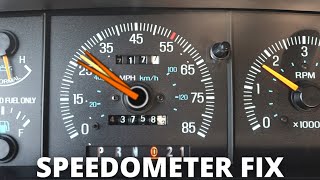
🎬 Watch this guide for Bronco models with cruise control setups.Some Bronco II models equipped with cruise control use a two-piece cable system with a speed sensor in the middle. Before ordering, inspect your current setup to see if you have a single cable running from the transmission to the speedometer, or if you have an upper and lower cable. Most standard replacements are for non-cruise control models.
Cost of a New Aftermarket Speedometer Cable
| Part Type | Estimated Cost |
|---|---|
| New Aftermarket Cable (ATP, Pioneer) | $16.75 - $35.96 |
| Premium Aftermarket Cable (Lokar) | $120 - $140 |
Pro Tip: Lubricate Before You Install
Even if a new cable comes pre-lubricated, it's a good practice to pull the inner core out of the new housing and apply a coat of white lithium grease or a specific speedometer cable graphite lubricant. This extra step takes only a few minutes and ensures the cable operates smoothly and lasts as long as possible.
Frequently Asked Questions (FAQ)
Is it a DIY job to replace the speedometer cable?
Yes, for most owners with basic hand tools, this is a straightforward DIY project. It typically takes about an hour. The process involves disconnecting the old cable from the back of the instrument cluster and from the transmission/transfer case, carefully routing the new cable to avoid kinks, and connecting it. The most difficult part is often reaching the clip on the back of the speedometer.
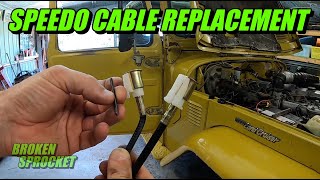
🎬 See this beginner's walkthrough for replacing a car speedometer cable.How do I know if it's the cable or the speedometer gauge itself?
The vast majority of the time, the symptoms described are caused by the cable. A good test is to disconnect the cable from the back of the speedometer. You can then attach a drill to the inner cable's end and spin it (in reverse). If the speedometer needle moves, the gauge is likely fine and the problem is the cable or the drive gear in the transmission.
What about the plastic gear on the end of the cable?
The plastic speedometer drive gear on the transmission end of the cable can also fail. Its teeth can get worn down or break, which will also cause the speedometer to stop working. Always inspect this gear when you replace the cable and replace it if it looks damaged. These gears are specific to your vehicle's axle ratio and tire size.
🎬 Watch how to change the plastic speedometer drive gear.I replaced the cable and it still bounces. What now?
If a new, well-lubricated cable doesn't fix the bounce, check two things. First, ensure the cable routing has large, sweeping curves with no sharp bends or kinks. A sharp bend will cause the inner core to bind. Second, check the plastic drive gear for wear. If both seem fine, there is a small chance the speedometer head (the gauge itself) is binding internally and may need professional service.
Helpful Videos
Technical Specifications
OEM Part Numbers: E3TZ9A820B D3TZ17260H D4TZ17260M
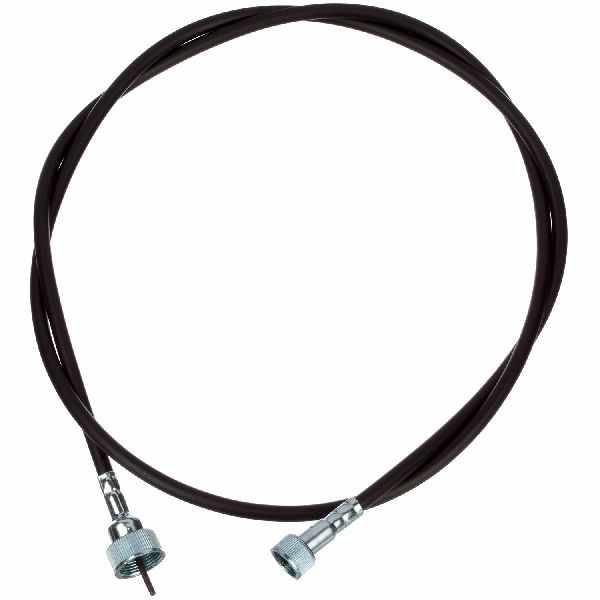
The cable is a flexible shaft with a square metal core inside a protective plastic or vinyl housing. It connects to the instrument cluster with a snap-on female fitting and to the transmission/transfer case with a threaded male fitting or another snap-on style, depending on the specific year and drivetrain. Lengths vary, typically between 76 and 95 inches.
We Have This Part in Stock


The information in this article is provided for general reference and educational purposes only. Vehicle specifications, procedures, and part compatibility can vary by production date, trim level, and region. Always consult your vehicle's factory service manual and verify part numbers before purchasing or performing repairs. Safety-critical components such as airbags, seat belts, and braking systems should be installed by a qualified professional.
- Ford Bronco II:
- 🎬 Helpful Videos
- 🛍️ Shop This Part
- Is Your Bronco II's Speedometer Acting Up?
- Common Symptoms of a Bad Speedometer Cable
- Choosing the Right Aftermarket Cable
- Aftermarket Brand Tiers
- Check Your Cruise Control Setup
- Cost of a New Aftermarket Speedometer Cable
- Pro Tip: Lubricate Before You Install
- Frequently Asked Questions (FAQ)
- 🎟️ Get 5% Off