

Ford Bronco II Voltage Regulator: A Complete Guide for 1984-1990 Models
Here is what every 1984-1990 Ford Bronco II owner needs to know about their external voltage regulator.
- The 1984-1990 Bronco II uses an external voltage regulator that is simple to replace.
- Charging problems are frequently caused by bad grounds; always check and clean ground connections before replacing parts.
- Choose a quality aftermarket brand like Standard Ignition (VR166) or Motorcraft (GR-540-B) for reliability; avoid the cheapest options.
- Always inspect the wiring harness connector for damage or corrosion when replacing the regulator.
Understanding Your Bronco II's Charging System
The 1984-1990 Ford Bronco II uses a simple and rugged charging system, but it's not without its quirks. The system relies on an external voltage regulator, a component separate from the alternator. This regulator reads the battery's voltage and tells the alternator when to charge and when to stop. When this part fails, it can cause a range of electrical problems, from a no-start condition to fried electronics. Many charging issues are often blamed on the alternator or battery when the regulator is the true culprit.
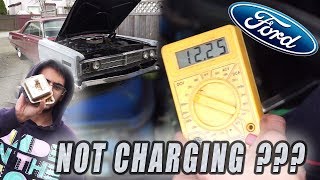
🎬 Watch: How to test if the regulator or alternator is failing.Is Your Voltage Regulator Failing? Common Symptoms
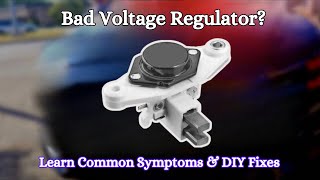
A bad voltage regulator can show itself in several ways. Recognizing these signs can save you from being stranded.
- Dimming or Flickering Lights: If your headlights and dash lights flicker, dim, or pulse, it's a classic sign the voltage is unstable.
- Battery Not Charging: You may find yourself with a dead battery, even after a long drive. When running, the system voltage will be low, around 12 volts or less.
- Overcharging: The opposite problem is too much voltage (15+ volts). This can boil the acid in your battery, causing a rotten egg smell and damaging other electronic components.
- Charging/Battery Light On: The warning light on your dashboard may illuminate if the system detects a charging problem, which can be caused by either undercharging or overcharging.
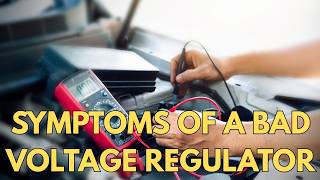
- Battery Drain When Off: A faulty regulator can fail in a way that creates a constant electrical draw, draining your battery overnight 🎬 See this video for the top 6 bad regulator symptoms. or over a few days.
Check Your Grounds First!
Before replacing parts, check your truck's grounds. The Bronco II is known for having electrical issues due to poor or corroded ground connections. A bad ground between the regulator and the chassis, or between the engine and the body, can mimic the symptoms of a failed regulator. Cleaning all contact points for the battery cables, alternator, and regulator with a wire brush is a crucial first step.
Choosing the Right Aftermarket Regulator
Since new OEM Ford parts are no longer available, you'll be choosing from aftermarket brands. For a part this critical, quality matters more than price.
Brand Tiers:
- Premium Aftermarket (Recommended): Brands like Standard Ignition and Motorcraft have a strong reputation in the community for reliability. Forum users often recommend the Standard VR166 (a solid-state electronic unit) or the Motorcraft GR-540-B as dependable choices. These are your best bet for a lasting repair.
- Standard/Economy Aftermarket: This includes brands like Replacement and other generic or store-brand parts. While the price is lower, the quality can be inconsistent. Owners report some of these units failing right out of the box or after a short time. If your budget is tight, they can work, but it's a gamble.
Inspect the Wiring Connector
The plastic connector plug for the regulator can become brittle and corroded over time. When you replace the regulator, inspect this plug and its wires carefully. If it's cracked or the terminals are green with corrosion, you should replace the connector pigtail to ensure a good connection. Also, inspect the alternator wiring harness connector; a Ford TSB for these years warns it can melt from a failing alternator, which will cause future charging problems.
Typical Costs for a New Voltage Regulator
| Part Type | Estimated Cost |
|---|---|
| New Aftermarket (Economy) | $15 - $35 |
| New Aftermarket (Premium) | $39 - $104 |
| Shop Labor | $50 - $100 |
Frequently Asked Questions (FAQ)
Where is the voltage regulator located on a 1984-1990 Bronco II?
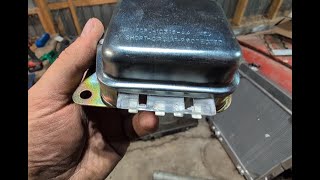
The external voltage regulator is typically mounted in the engine bay on the driver's or passenger's side fender wall or on the radiator support. It's a small metal or plastic box with a wiring harness plugged into it.
Can I replace the voltage regulator myself?
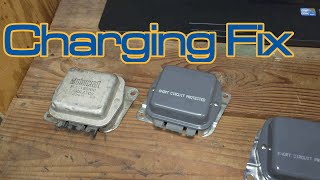
Yes, this is one of the easiest repairs you can do. It usually involves removing two screws, unplugging the old unit, and plugging in the new one. The entire job can be done in under 15 minutes with basic hand tools. 🎬 Watch this walkthrough on how to replace your external regulator. Always disconnect the negative battery terminal before starting.
Should I get a mechanical or solid-state regulator?
Most modern replacements, like the recommended Standard VR166, are solid-state (electronic). They are generally more reliable and provide more stable voltage than the old mechanical-point style regulators. Unless you are doing a 100% historically accurate restoration, a solid-state unit is the better choice.
My new regulator didn't fix the problem. What now?
First, re-check all your grounds. Ensure the regulator has a clean metal-to-metal connection to the chassis. Second, have your alternator and battery tested at an auto parts store. It's possible one of them is the real issue. Finally, inspect the wiring between the alternator, regulator, and battery for damage or corrosion.
Are there any recalls for the Bronco II voltage regulator?
No, there are no specific NHTSA recalls for the voltage regulator on the 1984-1990 Ford Bronco II. Recalls you may find for "Bronco" are typically for much newer models and unrelated systems.
Helpful Videos
Technical Specifications
OEM Part Numbers: C3SZ10316A C3SZ10316B C5AF10316B C5AZ10316C GR-540-B
External mount, 4-blade terminal connector, 12-volt system.
We Have This Part in Stock


The information in this article is provided for general reference and educational purposes only. Vehicle specifications, procedures, and part compatibility can vary by production date, trim level, and region. Always consult your vehicle's factory service manual and verify part numbers before purchasing or performing repairs. Safety-critical components such as airbags, seat belts, and braking systems should be installed by a qualified professional.
- Ford Bronco II:
- 🎬 Helpful Videos
- 🛍️ Shop This Part
- Understanding Your Bronco II's Charging System
- Is Your Voltage Regulator Failing? Common Symptoms
- Check Your Grounds First!
- Choosing the Right Aftermarket Regulator
- Inspect the Wiring Connector
- Typical Costs for a New Voltage Regulator
- Frequently Asked Questions (FAQ)
- 🎟️ Get 5% Off