

Jeep Cherokee 1984-1990 Ignition Coil: A Comprehensive Guide
Everything you need to know to diagnose and replace the ignition coil on your 1984-1990 Jeep Cherokee XJ.
- Verify your engine (2.5L, 2.8L V6, or 4.0L) before ordering, as the coils are different.
- Symptoms like stalling and no-start overlap heavily with a failing Crankshaft Position Sensor (CPS), a very common XJ issue.
- For maximum reliability, choose an OEM-quality brand like NGK or Delphi; for a performance boost, consider Accel.
- Replacement is very DIY-friendly and can be completed in under 30 minutes with basic hand tools.
Understanding the Ignition Coil in Your XJ
The ignition coil is the heart of your Cherokee's ignition system. Whether you have the 2.5L 4-cylinder, the 2.8L V6, or the 4.0L inline-6, the coil's job is the same: generate enough voltage to make a spark. A weak or failing coil can cause a host of engine problems, from annoying stumbles to leaving you stranded. When it fails, replacing it with a quality aftermarket part can restore performance and reliability.
Symptoms of a Failing Ignition Coil
A bad ignition coil can mimic other problems, so it's important to recognize the signs. The symptoms can start small and get worse over time.
- Engine Misfires: The engine may stumble, shake, or hesitate during acceleration because a weak spark isn't properly igniting the fuel.
- Rough Idle: A shaky or vibrating feeling when the Jeep is stopped is a common sign.
- Stalling: The engine may stall unexpectedly, especially when it's warm, and may be difficult to restart.
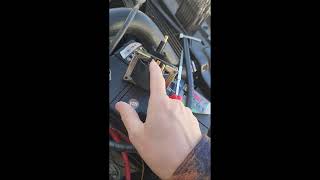
- No-Start Condition: If the coil fails completely, it won't produce any spark, and the engine will crank but not start. 🎬 See how a failed coil causes a no-start condition.
- Poor Fuel Economy: An inefficient spark means wasted fuel, leading to more trips to the gas station.
- Check Engine Light: While pre-1996 models have less specific codes, a persistent misfire can sometimes trigger a light.
Could It Be the Crankshaft Position Sensor (CPS)?
Many symptoms of a bad ignition coil on the 4.0L engine, especially stalling when hot and a no-start condition, are identical to the symptoms of a failing Crankshaft Position Sensor (CPS). The CPS is a notoriously common failure point on these Jeeps. If you are experiencing these issues, it is wise to test both components before buying parts.
🎬 Watch this guide on how to test your CPS sensor.Choosing the Right Aftermarket Ignition Coil
With original Mopar parts for this era being scarce, the aftermarket is your go-to source. Quality varies, so it's best to choose based on your needs and budget. The brands available can be grouped into tiers.
Tier 1: Premium & OEM-Quality Brands
These brands are known for reliability and are often original equipment suppliers for many automakers. They are the safest bet for a long-lasting, trouble-free replacement.
- NGK: Widely considered an OEM supplier for many Jeep electronics, NGK coils are a top choice for stock reliability. Their products are engineered to meet or exceed factory specifications.
- Delphi: Another major OEM supplier, Delphi has a strong reputation for quality ignition components that provide consistent performance and durability.
- Standard Ignition (SMP): A trusted aftermarket name for decades. Their 'Blue Streak' line, in particular, is often cited by owners for being durable and reliable.
Tier 2: Performance Brands
If you're looking for a hotter spark for improved throttle response or to support other engine modifications, these brands are a popular upgrade.
- Accel: Known for their yellow high-performance coils, Accel provides higher voltage output than stock. While many users have good experiences, some forum members have reported occasional failures.
Tier 3: Standard & Value Brands
These brands offer a cost-effective solution for getting your Jeep back on the road. They are a good fit for budget-conscious repairs.
- Crown Automotive: Specializes in Jeep replacement parts. While they are a great source for many components, be cautious with their electronic parts. One user reported that the OEM wiring connector was a loose fit on a Crown coil, requiring a zip tie to secure it.
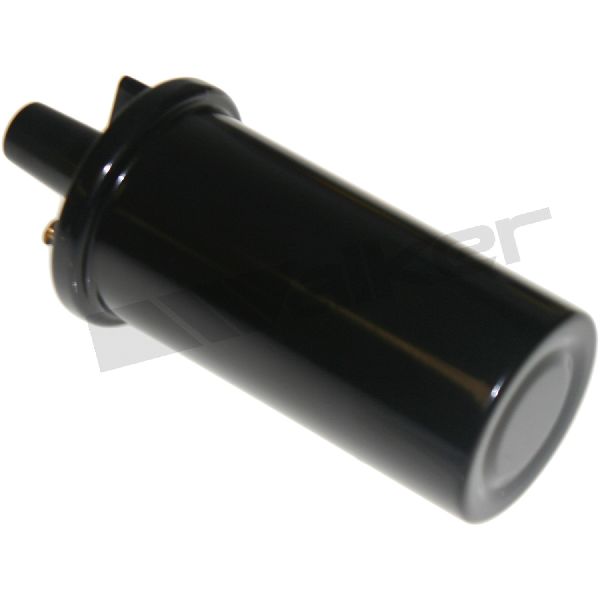
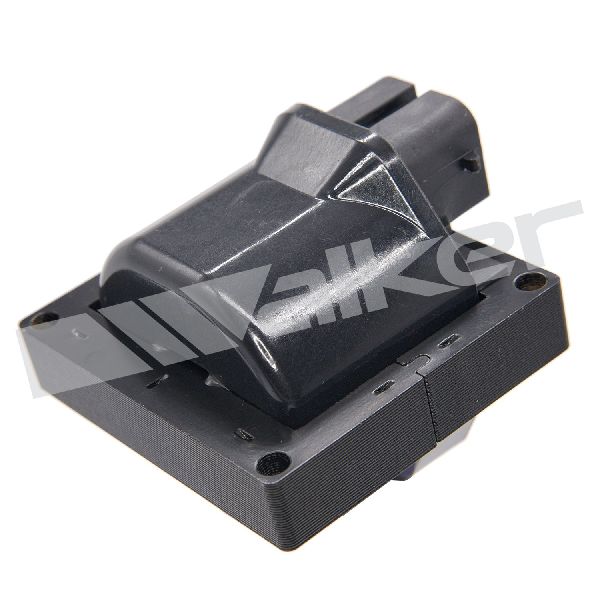
- Spectra, DriveWire, WAI Global, Walker Products: These brands provide functional, standard-replacement coils that meet basic requirements and are typically the most affordable options.
Cost of Replacing a 1984-1990 Jeep Cherokee Ignition Coil
| Part Type | Estimated Cost |
|---|---|
| New Aftermarket Coil | $26 - $58 |
| New OEM/Mopar Coil | $75 - $150+ (if available) |
| Shop Labor | $50 - $100 |
| Total Estimated Cost (DIY) | $26 - $58 |
| Total Estimated Cost (Shop) | $76 - $250+ |
Common Ordering Mistake
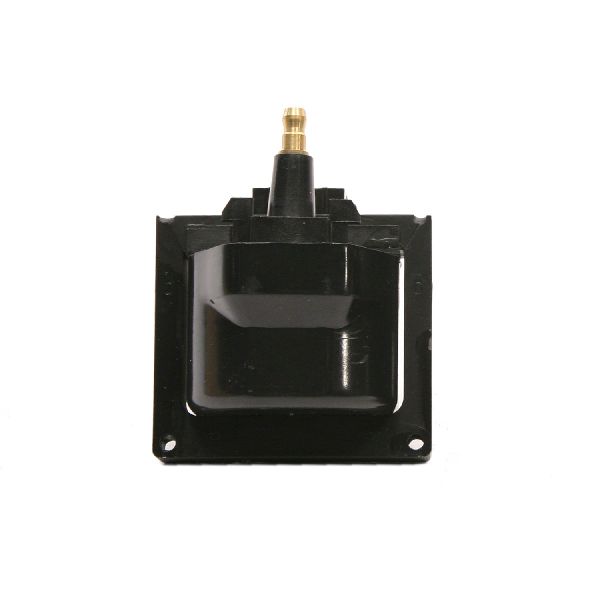
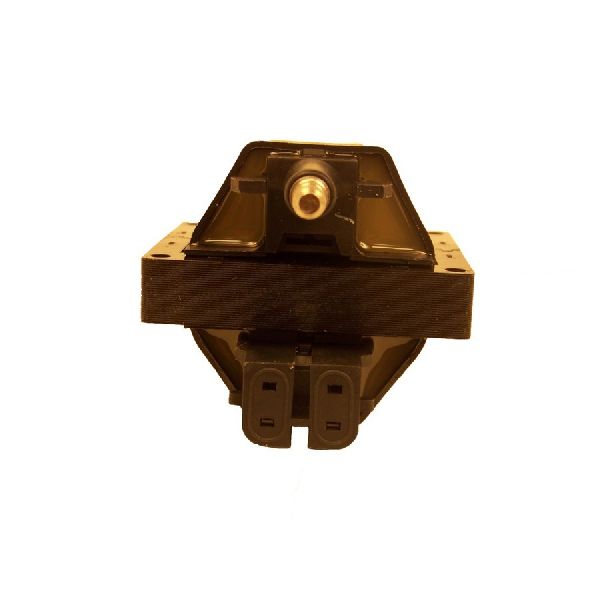
The ignition coil is NOT the same for all engines in this year range. The GM 2.8L V6 (1984-1986) uses a different coil than the AMC 2.5L I4 and 4.0L I6 engines. Always verify your Jeep's engine before placing an order.
Frequently Asked Questions (FAQ)
How do I test my ignition coil?
You can perform a basic test with a multimeter. Disconnect the coil and measure the resistance between the primary (low voltage) terminals and the secondary (high voltage) tower. Compare your readings to the specifications in a service manual. An open circuit (infinite resistance) or a reading far out of spec indicates a bad coil. A more definitive test is to check for spark coming from the coil wire while a helper cranks the engine, but this requires caution.
Is this a difficult part to replace myself?
No, this is a very easy job for a DIYer. The coil is typically mounted to the engine block or inner fender, held by two bolts. The process involves disconnecting the negative battery terminal, unplugging one electrical connector, unscrewing the main coil wire from the distributor cap, and removing the two mounting bolts. Installation is the reverse of removal. It usually takes less than 30 minutes.
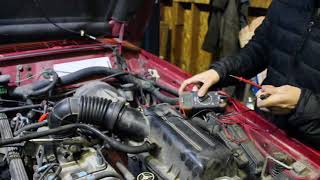
🎬 Watch this quick walkthrough of a Renix ignition coil replacement.Do I need a special coil for my 4.0L engine?
While you don't need a "special" coil, you must buy one that is specified for the 1987-1990 4.0L engine. The coil used on the earlier 2.8L V6 is different. A performance coil like an Accel can provide a stronger spark, but for a stock daily driver, a quality OEM-style replacement from a brand like NGK or Delphi is perfectly sufficient.
Can a bad ignition coil damage other parts?
Yes. A weak coil can lead to incomplete combustion, which can, over time, foul your spark plugs and clog your catalytic converter with unburnt fuel. While it won't cause immediate catastrophic damage, it's best to replace a failing coil promptly to keep the rest of your ignition and exhaust system healthy.
Helpful Videos
Technical Specifications
OEM Part Numbers: 33004272 83501871 4797293 5234210 5252577
This generation uses a single, external, canister-style ignition coil with a distributor. It is either an oil-filled or E-core design. It has one low-voltage two-pin connector and one high-voltage output tower for the wire leading to the distributor cap.
We Have This Part in Stock


The information in this article is provided for general reference and educational purposes only. Vehicle specifications, procedures, and part compatibility can vary by production date, trim level, and region. Always consult your vehicle's factory service manual and verify part numbers before purchasing or performing repairs. Safety-critical components such as airbags, seat belts, and braking systems should be installed by a qualified professional.
- Jeep Cherokee:
- 🎬 Helpful Videos
- 🛍️ Shop This Part
- Understanding the Ignition Coil in Your XJ
- Symptoms of a Failing Ignition Coil
- Could It Be the Crankshaft Position Sensor (CPS)?
- Choosing the Right Aftermarket Ignition Coil
- Tier 1: Premium & OEM-Quality Brands
- Tier 2: Performance Brands
- Tier 3: Standard & Value Brands
- Cost of Replacing a 1984-1990 Jeep Cherokee Ignition Coil
- Common Ordering Mistake
- Frequently Asked Questions (FAQ)
- 🎟️ Get 5% Off