

Toyota 4Runner Radiator Guide: Keeping Your 1984-1992 Engine Cool
Everything you need to know before replacing the radiator in your 1st or 2nd Gen 4Runner.
- Verify your engine before ordering: The 2.4L 4-cylinder and 3.0L V6 use different radiators.
- An all-aluminum radiator is a durable upgrade that eliminates the risk of cracked plastic tanks common on original models.
- Always replace the radiator cap and inspect the hoses when installing a new radiator; it's cheap insurance against future leaks.
- Replacement is straightforward for a DIY mechanic and can be done with basic hand tools in about two hours.
Signs of a Failing Radiator
An old radiator doesn't always fail dramatically. Watch for these common symptoms to catch a problem before it leaves you stranded.
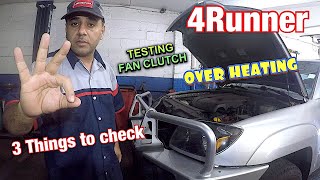
- Engine Overheating: The most obvious sign is a temperature gauge creeping into the red. If your 4Runner overheats, especially while idling or moving slowly 🎬 Watch: How to check your fan clutch and overheating issues, the radiator could be the culprit.
- Coolant Leaks: Finding puddles of bright green, pink, or orange fluid under the front of your truck means you have a leak. On these older 4Runners, the plastic end tanks on the original radiator can become brittle and crack.
- Sweet Smell: If you smell something sweet, like syrup, after driving, it's likely coolant leaking onto hot engine parts.
- Discolored or Sludgy Coolant: Your coolant should be a clean, bright color. If it looks rusty, brown, or thick, it means the inside of your radiator might be corroding and clogging the system.
- Damaged Fins: Look at the front of the radiator. If the small metal fins are bent, clogged with debris, or crumbling, it can't cool effectively.
Choosing the Right Aftermarket Radiator
The original radiators in these 4Runners were well-made, often lasting for decades. However, any original part is now over 30 years old. Aftermarket replacements offer a range of quality and price. The most important choice you'll make is ensuring you order the correct radiator for your engine, as the V6 and 4-cylinder models are different.
Aftermarket Brand Tiers
| Tier | Brands | Description |
|---|---|---|
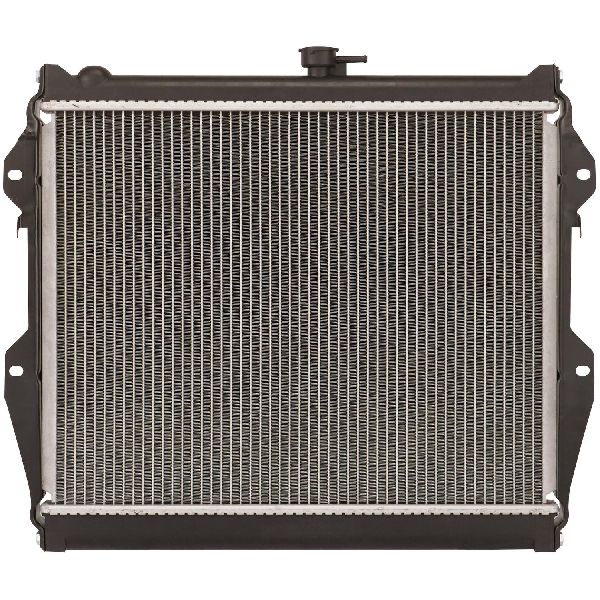
| Standard Replacement | Nissens, Spectra, APDI, Global Parts | These brands offer a good balance of price and function. They are designed to be direct-fit replacements for the original. Build quality may not feel as heavy as the original, but many owners report years of good service. Perfect for daily drivers and budget-conscious repairs. |
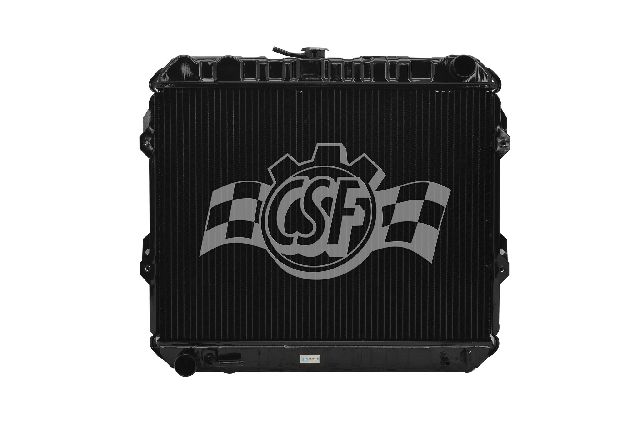
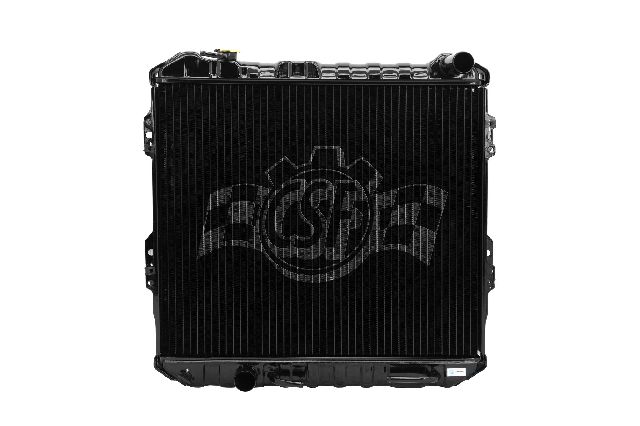
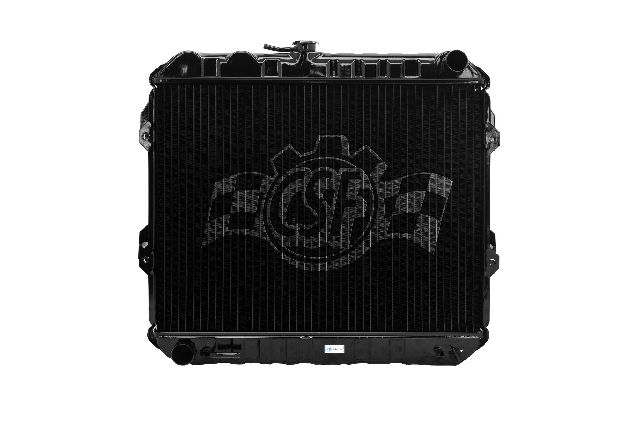
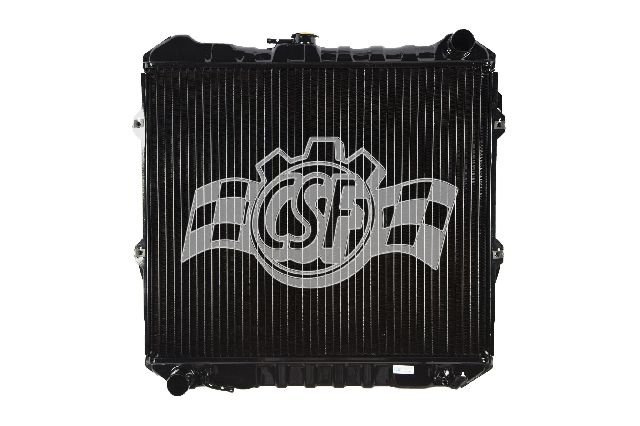
| Performance & Heavy-Duty | CSF Radiator, Frostbite | Often made entirely of aluminum, these radiators promise better cooling and durability by eliminating the plastic tanks that can crack. They are a popular choice for off-road or modified trucks. Be aware that reviews for these brands can be mixed. Some users report perfect fit and performance, while others have experienced leaks and manufacturing defects. |
| Premium Aftermarket | Koyo | Koyo is often mentioned in forums as a high-quality, reliable option that is a step above standard replacements, similar to the original Denso quality. |
OEM vs. Aftermarket Quality
For the 1984-1992 4Runner, a quality aftermarket part can be just as good, if not better, than a new OEM part. The original radiators were often a durable copper/brass design. Many aftermarket options, especially all-aluminum models, eliminate the weak point of the original design: the plastic end tanks that crack with age. A standard replacement from a brand like Nissens will perform well for a daily driver, while an all-aluminum radiator from a reputable brand can be a worthwhile upgrade for longevity and peace of mind, especially if you use your 4Runner for off-roading or towing.
Frequently Asked Questions (FAQ)
Do I need an all-aluminum radiator?
You don't necessarily need one, but it's a good upgrade. The main benefit is durability, as there are no plastic tanks to crack. They can also offer improved cooling, which is helpful for V6 models, modified trucks, or use in hot climates. For a stock daily driver, a standard plastic/aluminum radiator is usually sufficient.
What's the difference between the 4-cylinder (22R-E) and V6 (3VZ-E) radiators?
The radiator for the 3.0L V6 is typically larger and taller than the one for the 2.4L 4-cylinder to provide extra cooling for the bigger engine. While you can sometimes fit a V6 radiator into a 4-cylinder truck as an upgrade, the reverse is not recommended. Always confirm your engine type before ordering to ensure a proper fit.
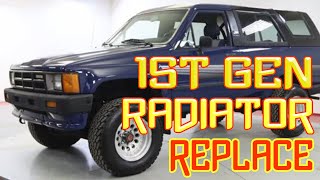
🎬 See this step-by-step radiator replacement for first-gen 4RunnersShould I replace my radiator hoses and cap at the same time?
Yes, absolutely. It's a pro-tip we always recommend. Your radiator hoses are made of rubber and degrade over time, just like the radiator. Replacing them at the same time is cheap insurance against a future failure. A new radiator cap is also essential to ensure the system holds pressure correctly.
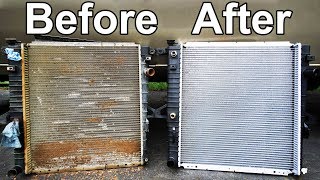
🎬 Watch: A complete guide to replacing your radiator and hosesAre there any recalls for the 1984-1992 4Runner radiator?
No, there are no specific recalls or technical service bulletins (TSBs) from Toyota or the NHTSA for radiator failure on this generation of 4Runner. Failures are typically due to age and wear, not a manufacturing defect.
Helpful Videos

Technical Specifications
Radiators for this generation are engine-specific. The 3.0L V6 (3VZ-E) model is taller and has a larger capacity than the radiator for the 2.4L 4-cylinder (22R-E). Original radiators were often a copper/brass construction with plastic tanks, while aftermarket replacements are available in plastic/aluminum and all-aluminum configurations. Ensure your choice is compatible with your transmission type (manual or automatic).
We Have This Part in Stock


The information in this article is provided for general reference and educational purposes only. Vehicle specifications, procedures, and part compatibility can vary by production date, trim level, and region. Always consult your vehicle's factory service manual and verify part numbers before purchasing or performing repairs. Safety-critical components such as airbags, seat belts, and braking systems should be installed by a qualified professional.
- Toyota 4Runner: